<3: THE BOOK OF FOUND HEARTS

<3: THE BOOK OF FOUND HEARTS

Giulia Ferranti turns a mother-daughter hunt for hearts, shot on a phone, into a contagious visual ritual—between pareidolia, play, and everyday care.

ALESSIA CALIENDO

You start with a suitcase and a whispered line. Then, without warning, the world answers back: hearts everywhere.


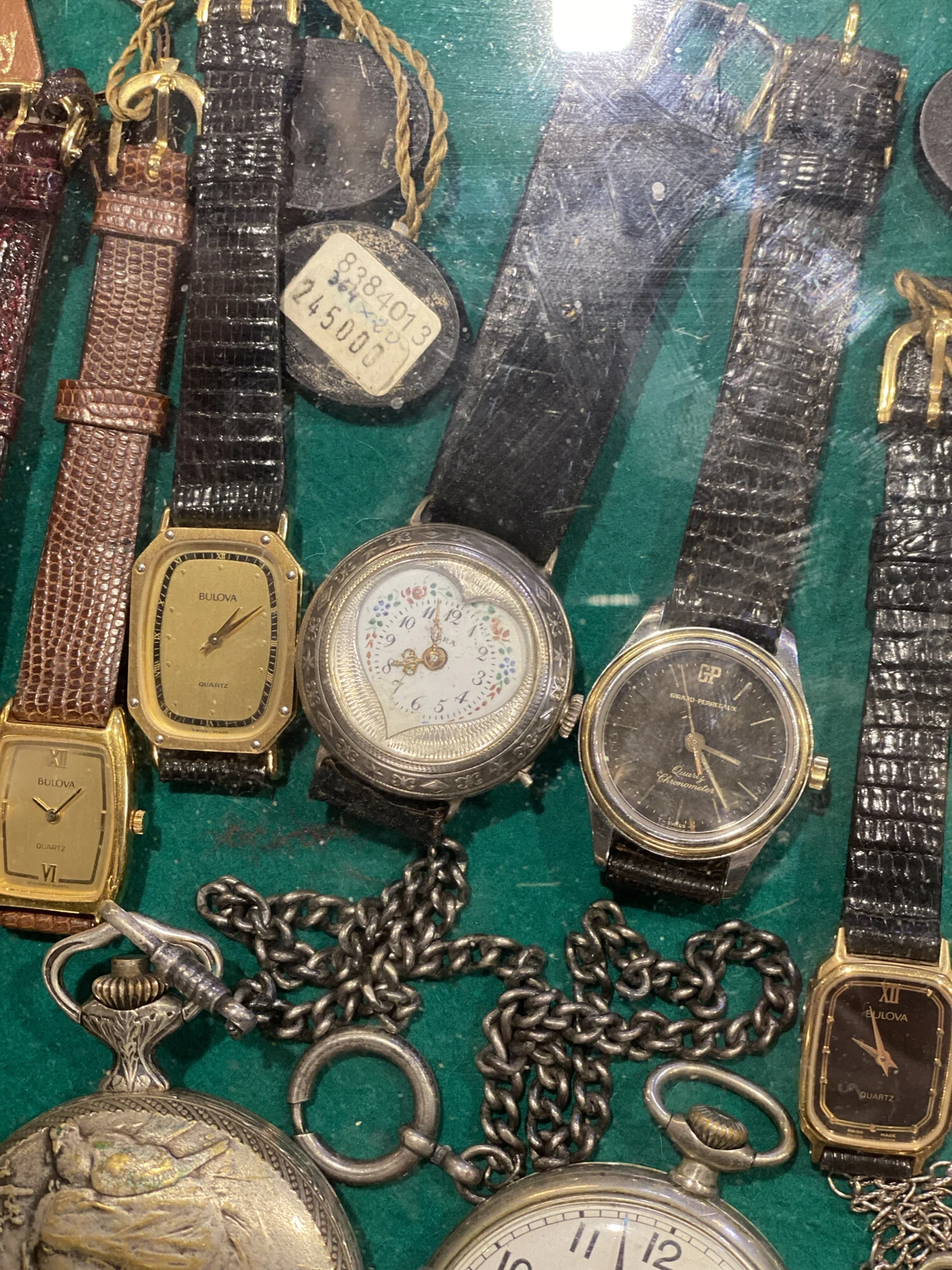
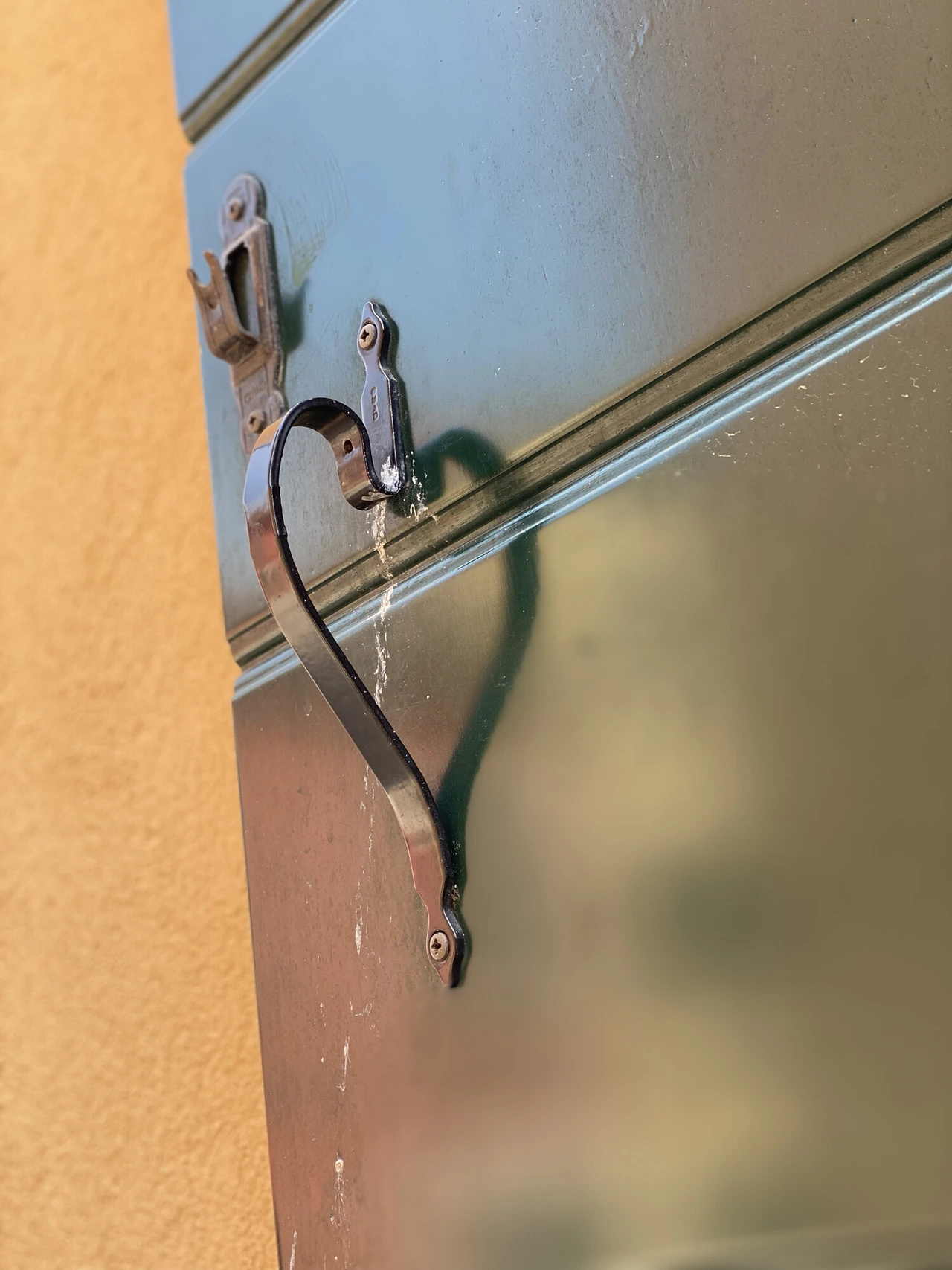
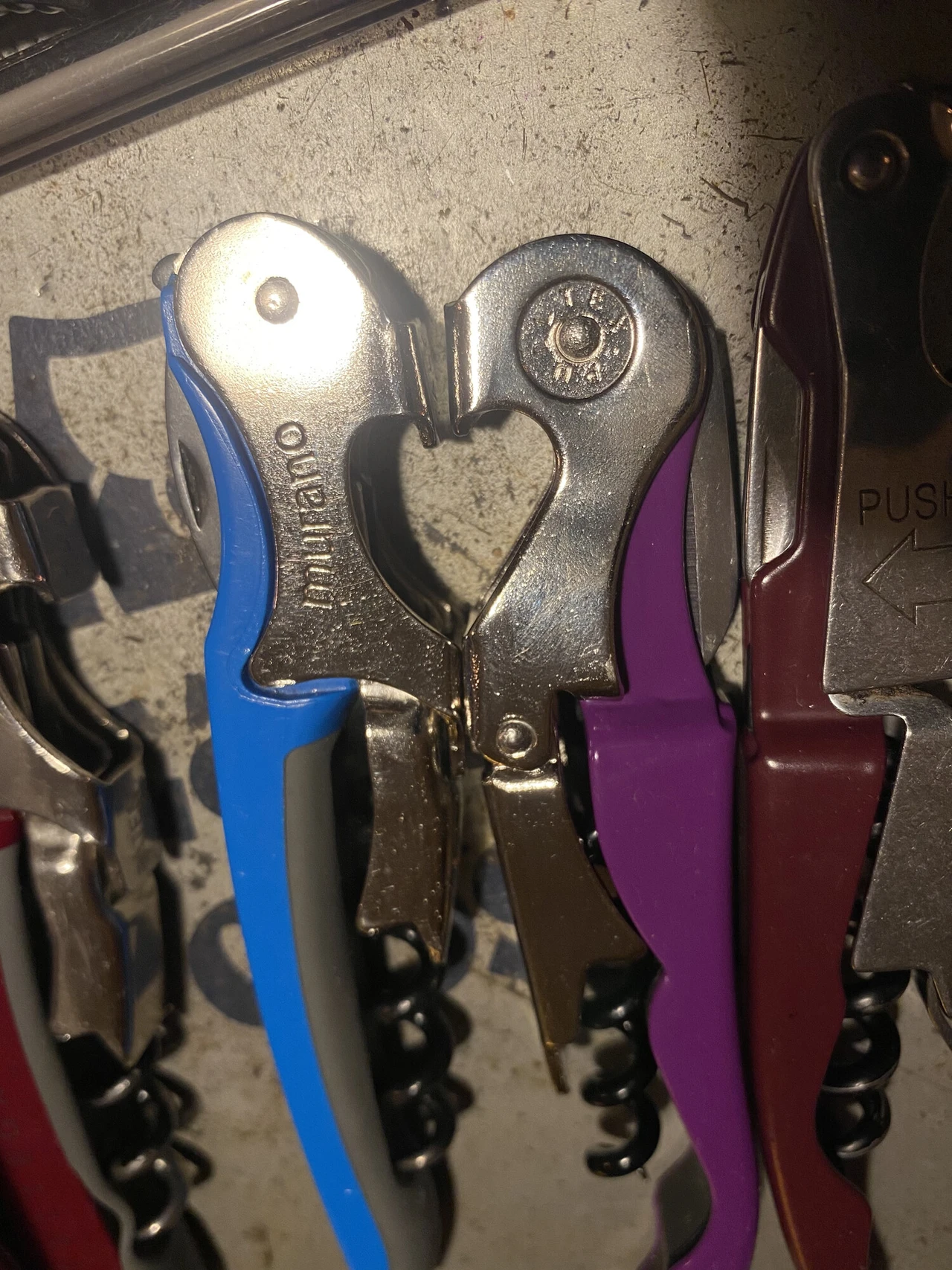
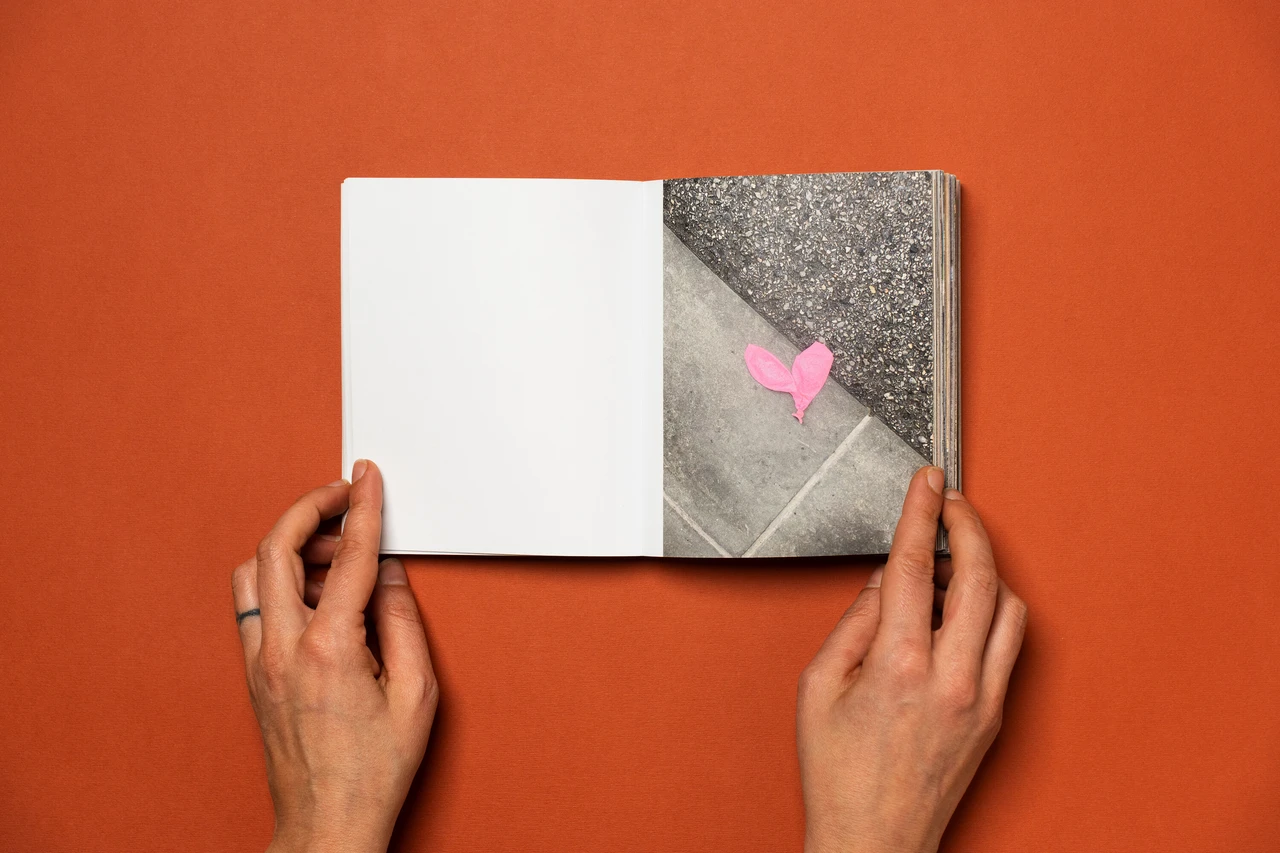
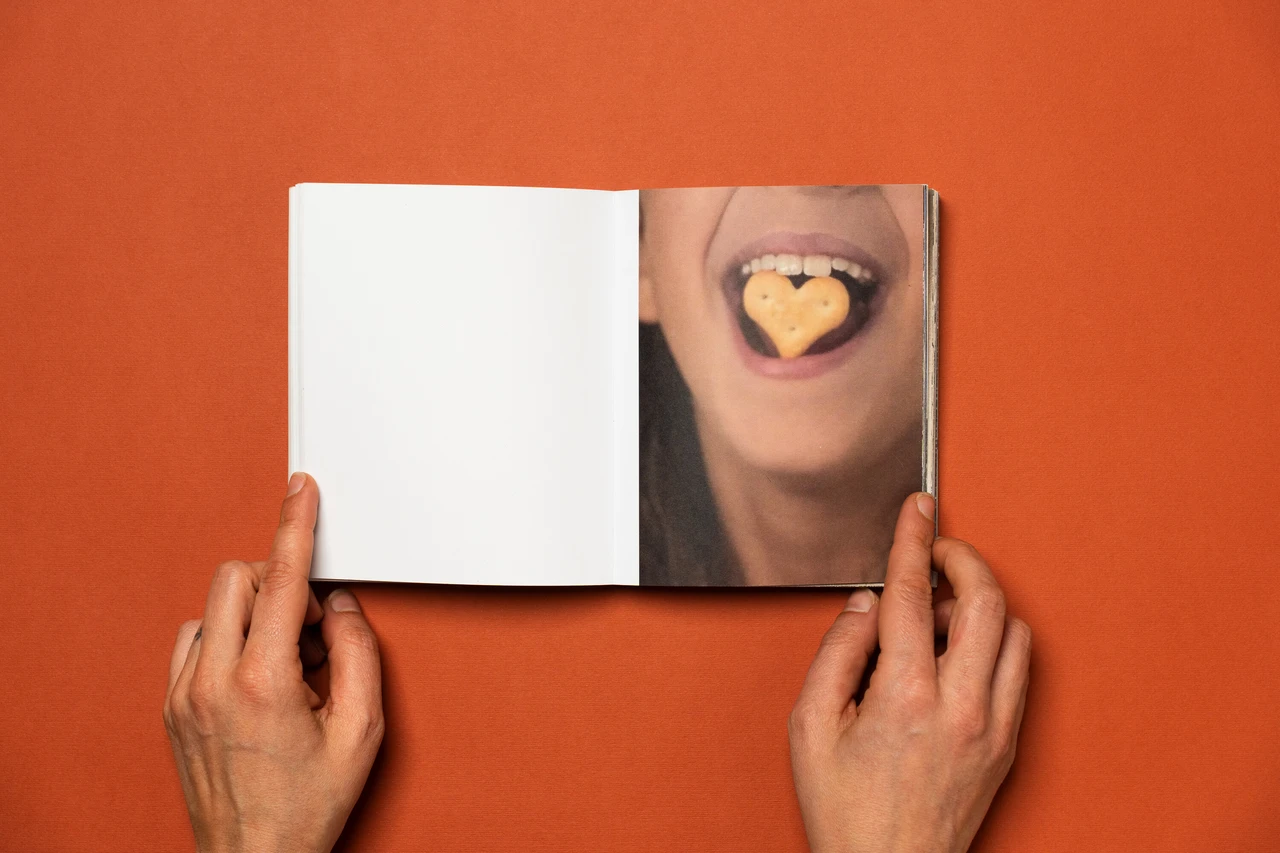
Published by Skinnerboox, <3 begins as a private code between Giulia Ferranti and her daughter, Anna. Then it expands, quietly, steadily, until it becomes a shared gesture, almost a small community of seeing. The material is simple: about 200 spontaneous hearts photographed on a smartphone in the summer of 2025. The effect is less predictable. It slows time, questions the automatic life of symbols, and puts attention back into circulation.

Threaded through the book is pareidolia, the tendency to recognize orderly forms in vague stimuli, and a question that remains open: when an affective language is born to protect, what happens when it’s shared, published, and watched by other eyes?


Ferranti (born in Perugia on February 14) worked with Emergency in Milan; today she leads communication projects for cultural institutions in Umbria and works with Teatro Stabile dell’Umbria. In <3, care isn’t a lofty word. It’s a daily practice, brief, stubborn, and real.

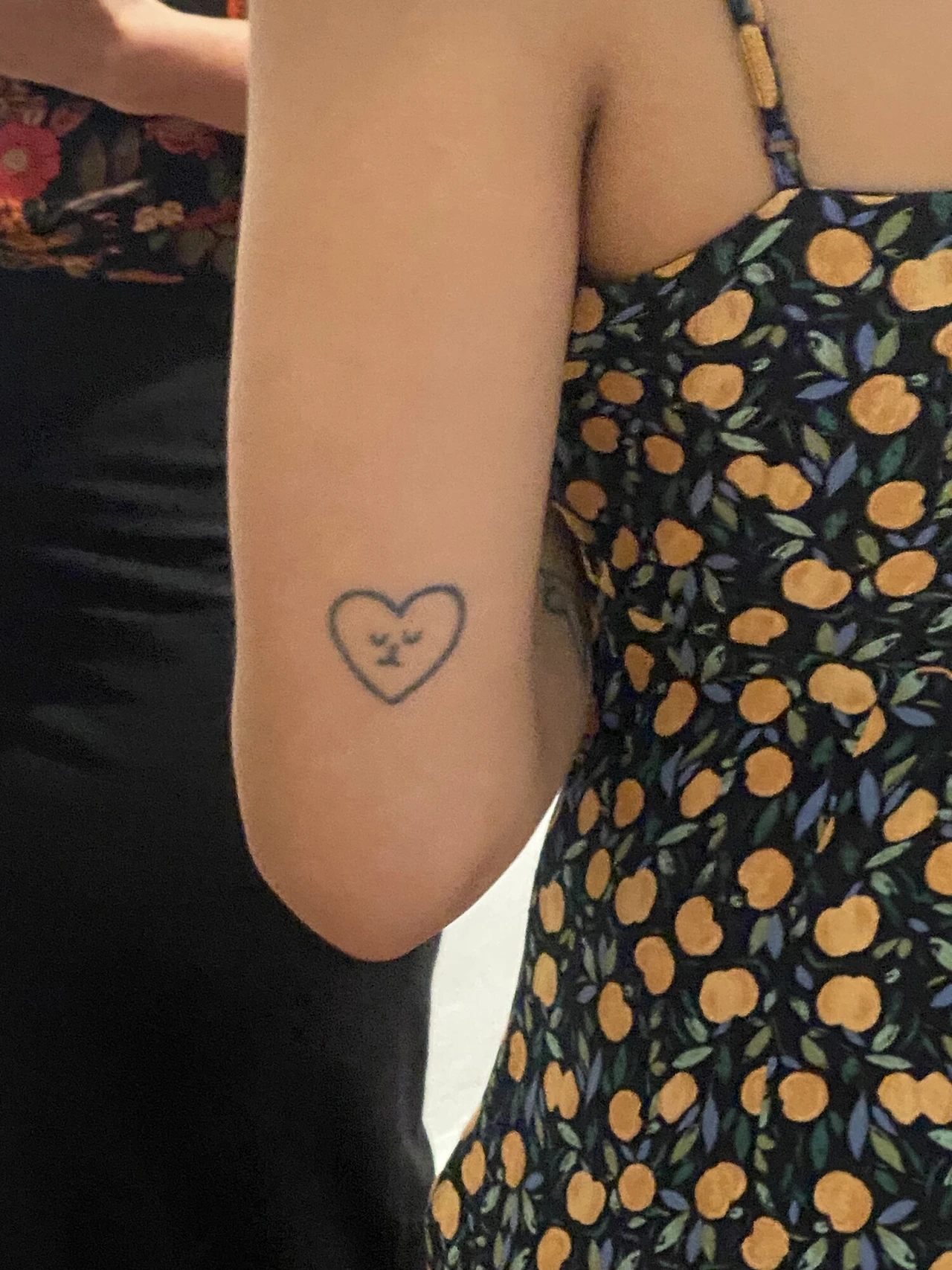
 

“You will sing your song. Heart. At the top of your lungs.”

Umberto Eco wrote that some catalogues insist the world is repetitive, while others reveal it as always, surprisingly, different. Here, the catalogue becomes a ritual, and the ritual stays alive.


The Interview 


<3 OPENS WITH AN ABSENCE, “I’LL BE AWAY FOR THE WEEKEND”, AND WITH A PACT BETWEEN MOTHER AND DAUGHTER. WHEN A CODE THIS INTIMATE BECOMES A PUBLIC IMAGE, WHAT DOES IT GAIN, AND WHAT DOES IT RISK LOSING?


“It started with a whisper, she’ll miss me. That’s where my daughter Anna and I began a game: every heart we see connects one of us to the other’s thoughts, a way of interpreting what it means to be there.”

Very quickly, something beautiful happens: we photograph them, we share the game with friends, we discover there are people who already see them, or who start seeing them, and they send us hearts too. After the book came out, even more hearts arrived. It felt like a magical encounter. And when something becomes public like that, we all gain: it opens up; it lets us see ourselves as connected; it makes us think.

What does it risk losing? Nothing, I hope. The book is born from our collection, yet we’re there and not there. Whoever looks at it meets us, if they want to, inside their own story.


YOU SAY THE PROJECT “CAME TOGETHER THROUGH SERIOUS PLAY.” AT WHAT POINT DID THE GAME STOP BEING A GAME AND ASK YOU FOR DISCIPLINE, OR EVEN OBSESSION?


It never stopped being a game. Obsession is part of the game when you take it seriously.

I can’t stop seeing hearts now, and that’s perfectly fine. The symbol has become a support, something repeated, reassuring.

We decide what to see, how to stand in the world. This is a serious game.


PAREIDOLIA ENTERS THE TEXT, THIS HUNGER FOR FORMS, FOR MEANING, FOR RECOGNITION. DID YOU EVER WONDER IF THE HEART, ONCE YOU KEEP LOOKING FOR IT, BECOMES A PROJECTION, AND THEREFORE A SMALL NECESSARY LIE?


Of course it does. In fact, it’s born precisely as a diversion. But it’s a lie that isn’t really a lie.

Pareidolia is what happens when you recognize figures in clouds, or in stains on a wall, when you look for images and shapes begin answering back. Hearts are accidental combinations of lines that become an emotional reality. It’s the world’s enchantment.

For me, it works as long as you don’t pin it to a single meaning, welcome the illusion, then set it free.


IN THE BOOK, THE IMAGES FOLLOW A SIMPLE, RECURRING SCHEME, ALMOST A CATALOGUE. DURING EDITING, WHAT RULE DID YOU SET FOR YOURSELF, AND WHICH ONE DID YOU HAVE TO BREAK SO REPETITION WOULDN’T BECOME AN ANESTHETIC?


I’ll confess the editing was very fast, almost instinctive. I brought the photos to Skinnerboox, along with a chaos of ideas accumulated through sleepless nights. We looked at everything and said: it’s ready, like this. I didn’t set strict rules. I just looked for what felt right in that moment. By letting go of perfectionism, I managed, happily, to close it. And the catalogue felt like the most honest form: <3 is a collection, and repetition is a ritual. Sometimes, flipping through it, I spot a heart in an image I hadn’t noticed before. <3 still surprises me.


YOU TALK ABOUT A “SHARED VISUAL VOCABULARY” AS SOMETHING REGENERATIVE, AND ABOUT DAILY CARE. AFTER YEARS OF WORKING IN PLACES WHERE CARE IS ALSO RESPONSIBILITY, WHAT HAS <3 TAUGHT YOU ABOUT THE LINE BETWEEN ATTENTION AND CONTROL, BETWEEN PROTECTION AND FREEDOM?


<3 helped me find alternative forms of presence, relationships that breathe, that welcome emptiness, that leave time and space to imagine who we have around us, and how much.

Not borders, but margins, where things meet. To anyone who flips through it, the book says (and repeats) only: look, a heart!

That happened to me and Anna, and we had a lot of fun.


Subscribe to our free newsletter!