A FESTIVAL TO RETHINK THE ANALOG

A FESTIVAL TO RETHINK THE ANALOG

Ferrania turns its century-old film legacy into a living lab, where cinema and photography on film invite us to question how we see, what we keep, and why speed became a default.

INDEPENDENT MAGAZINE

It happens in the quiet places first.
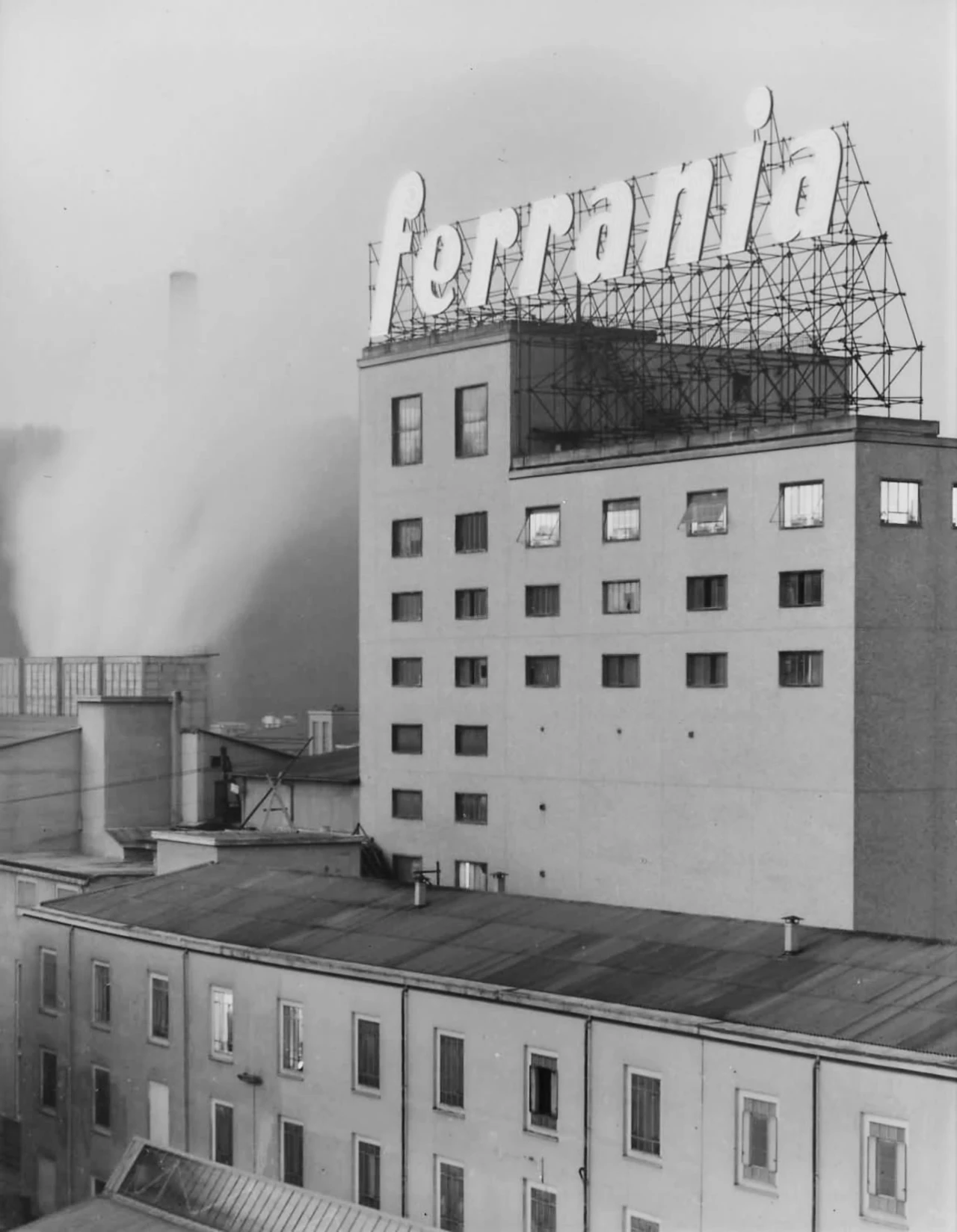
A valley that once smelled of chemistry, cellulose, and wet emulsion. A factory town whose name traveled farther than its train station, stamped on canisters, cartons, and the soft cardboard boxes that held family summers. Ferrania, a hamlet in Italy’s Val Bormida in Liguria, is where industrial time and image time learned to coexist, and where a new festival is about to ask an unfashionable question: what do we gain when we choose to slow down?


AN INAUGURAL JUNE, INSIDE PALAZZO SCARAMPI


The Ferrania Film Festival arrives with a preview on Saturday, June 13, inside Palazzo Scarampi in Cairo Montenotte (Savona province), the same building that hosts the Ferrania Film Museum. The full festival follows in the second weekend of September, expanding into talks, screenings, and hands-on experiences dedicated to cinema, photography, and small-gauge formats such as 8 mm and 16 mm, treated not as separate hobbies, but as one ecosystem: analog culture.
This is not a postcard event, and not a nostalgia market. It is closer to a critical gesture, a way to keep memory, production, and contemporary practice in the same frame, while the Bormida River keeps moving outside, indifferent and patient.
Courtesy of the Ferrania Film Museum.

A FACTORY THAT MANUFACTURED MEMORY


Ferrania’s origin story reads like a compressed history of the modern age. The site’s roots are tied to SIPE, an explosives producer that expanded during World War I and established a new plant near the Ferrania hamlet. By the end of 1917, a company called FILM was created in partnership with Pathé Frères, signaling a conversion that would define the territory for decades: from wartime chemistry to photosensitive materials.
That pivot is more than a business decision. It is a cultural hinge. Early photographic and cinematic film depended on chemical knowledge that had been sharpened, grimly, by conflict. The postwar shift turned that knowledge toward the everyday, toward images, toward the fragile promise that life could be archived.
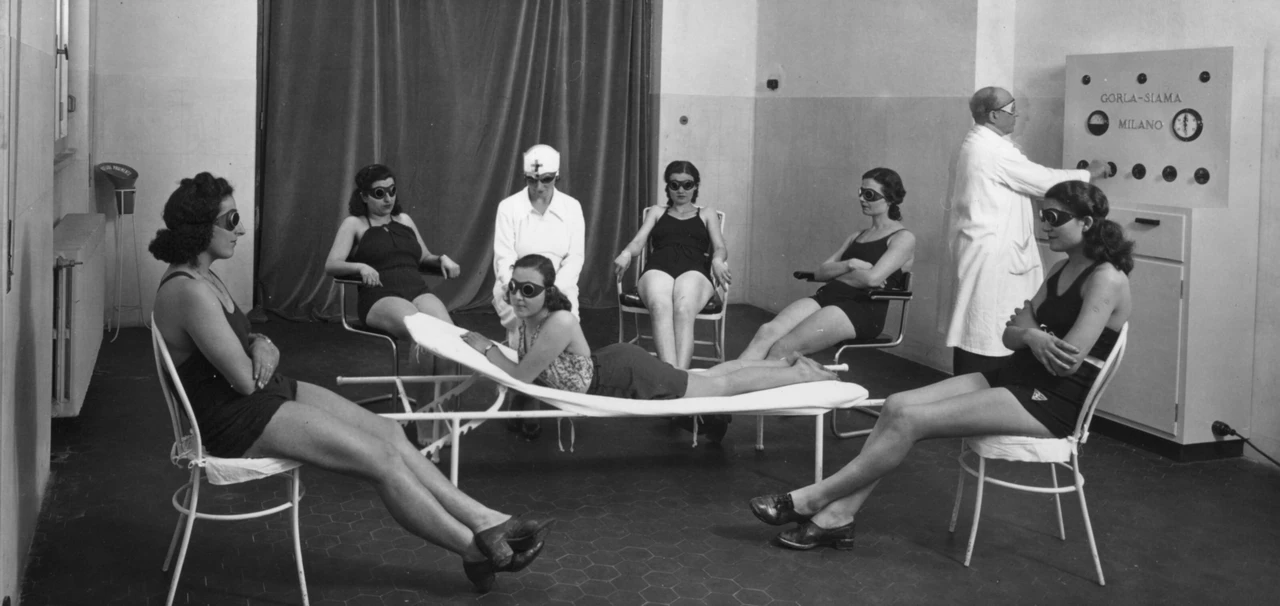
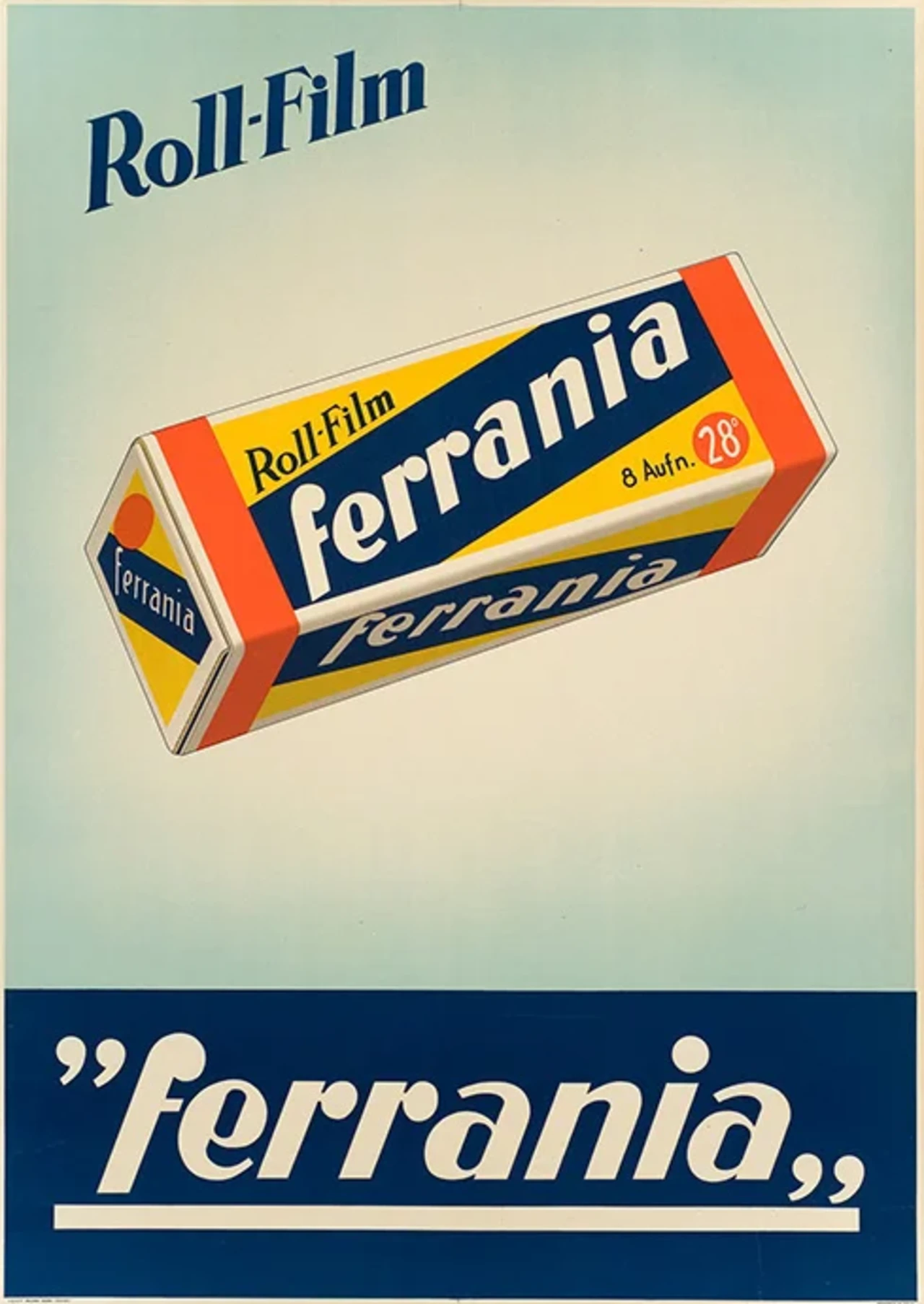
When mass photography took hold in the mid-twentieth century, film became a domestic habit, almost a civic ritual. The camera was not yet an extension of the hand; it was an occasion. A birthday meant a roll. A vacation demanded exposure. A marriage, a confirmation, a Sunday at the sea—each event became proof that it happened. And Ferrania, by producing the support itself, became a quiet co-author of Italy’s private histories.


COLOR, COMPETITION, RUPTURE


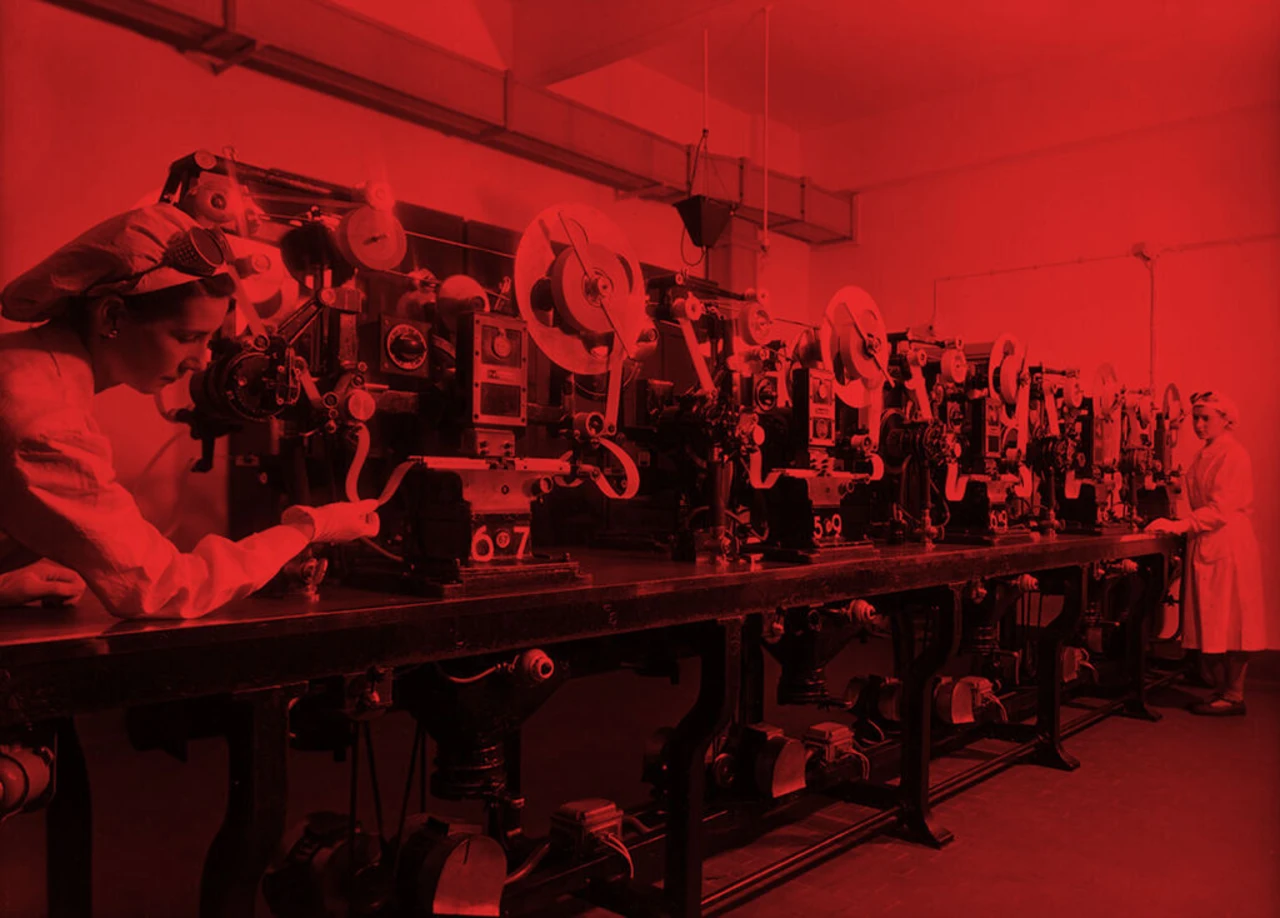
The leap to color required an escalation of craft. Multilayer structures. Spectral sensitivity. Processes where small variations mattered, and where knowledge lived in bodies as much as in manuals. For years, Ferrania competed in a market dominated by international giants, often underappreciated in the story of Italian innovation, which tends to romanticize design while forgetting the rigor of fine chemistry.
Then came the fracture that reshaped everything. In the 1990s and early 2000s, digital imaging did not merely offer a new option; it changed the ontology of pictures. Photos stopped being objects and became flows. They could be copied without loss, shared without friction, produced without cost that felt real. The global demand for film collapsed.
This was not only an economic crisis; it was a cultural one. When an industrial system disappears, skills do not simply migrate. They evaporate. What does a territory become when its identity was built around a craft that the world suddenly declares obsolete?
Ferrania became a symbol of that wider Italian dilemma: how to carry industrial heritage forward without embalming it.

Courtesy of the Ferrania Film Museum.

ANALOG IS NOT NOSTALGIA, IT IS A DECISION


In the 2010s, something shifted again. Film returned, but not as a retro accessory. It returned as a choice, often made by people who grew up on pixels. The appeal was not only aesthetic. It was ethical. Analog imposes limits, and limits can feel like freedom.
You cannot scroll a negative. You cannot delete a mistake. You cannot shoot a thousand frames to avoid missing one. Film reintroduces consequence, and with it, attention.
The revival of the Ferrania brand as FILM Ferrania, which began operating again in the early 2010s, is part of that broader recalibration. But the Ferrania Film Festival takes the idea one step further. It does not ask us simply to buy film; it asks us to think with it.
Because the question is no longer whether analog can survive. The question is why we might want it to.


A FESTIVAL AS A CRITICAL DEVICE


The Ferrania Film Festival inherits the momentum of Festival Fotosensibile, launched in 2018 and interrupted by the pandemic. It now reappears in a more structured form, guided by Lidia Giusto, an art historian and archivist who has spent decades working on the Val Bormida through photography, territorial storytelling, and industrial tourism.
It matters that the festival is rooted in place. This is not an “analog week” parachuted into a city for trend value. It is a project that grows out of a specific landscape, a post-industrial topography where buildings, archives, and family stories still carry the residue of production.
The June preview is dedicated to analog photography and developed in collaboration with Film Ferrania. It is also, quietly, a statement of intent: history is not a backdrop, it is material.
Palazzo Scarampi’s museum is proof. Opened to the public in 2018, the Ferrania Film Museum treats industrial culture not as a footnote to cinema history, but as its infrastructure. It houses objects and narratives that connect workers’ knowledge to design, communication, and the social life of a factory village—the human ecosystem behind the reels.
In a time when images appear everywhere and vanish just as quickly, staging a day around the slow logistics of analog becomes a symbolic act.
A gesture. And a challenge.

Courtesy of the Ferrania Film Museum.

SEPTEMBER, SMALL GAUGE, AND THE POLITICS OF THE HOME MOVIE


When the festival expands in September, the spotlight turns to cinema and, crucially, to amateur film in 8 mm and 16 mm. These formats occupy a strange position in cultural memory. They are deeply familiar, because they belong to family life. Yet they are often excluded from official narratives, because they are private, imperfect, “minor.”
The festival’s wager is that the so-called minor archive is where the major questions hide.
Home movies complicate our idea of history. They show bodies before they are summarized into biography. They show cities before they are cleaned into heritage. They show gestures, micro-fashions, the choreography of family roles. They are often overexposed, shaky, misframed. They are also truthful in a way that polished imagery rarely is.
In an algorithmic era, the amateur frame becomes political. It resists standardization. It refuses the flattening logic of the feed. It carries local light.
That is why Ferrania’s attention to small gauge matters. It elevates the domestic archive into a public conversation, not to violate its intimacy, but to recognize its cultural value. When we preserve these reels, what are we really preserving: the image, the technique, the sense of time that produced them, or the possibility that memory can be tactile?


A COMMUNITY THAT OUTLIVES A PRODUCT


The festival is promoted by the emerging Associazione Amici del Ferrania Film Museum, in continuity with earlier associative efforts around the museum. The goal is both practical and symbolic: to support the museum’s activities and to build a participatory network of enthusiasts, former employees, researchers, and amateurs.
Anniversaries hover in the background. The museum approaches its tenth year, and Ferrania’s origins, counted from the establishment of the plant and the first film initiatives during World War I, are nearing 110 years. But the point is not celebration. It is interrogation.
What does technological sovereignty mean today, when the supply chain for images is global, opaque, and dominated by a few platforms? What role can industrial heritage play in building new cultural economies that are not simply decorative? How can the material memory of photography speak to generations raised on instant capture and instant loss?
These are not nostalgic questions.  

They are contemporary ones, perhaps urgent.

Subscribe to our free newsletter!