A locker room is supposed to be a corridor between worlds: you enter as yourself, and you exit as “the team.” In Chiara Calgaro’s Changing Room, published by Altana, that corridor becomes the work, a liminal chamber where soccer’s most policed rituals are slowed down, rewired, sometimes gently mocked, until they start telling a different story.
The cast is translocal and fiercely specific: GAP in Bologna, where an assembly is as foundational as a formation; Quadrato Meticcio in Padua; Phoenix Tigers in Dublin; Les Dégommeuses in Paris; Cacahuètes Sluts in Marseille; Drama Queer FC; Roter Stern Berlin FLINTA*; DFC Kreuzberg; and the gravitational pull of Istanbul’s Queer Olympix, a three-day occupation of sport as collective visibility.
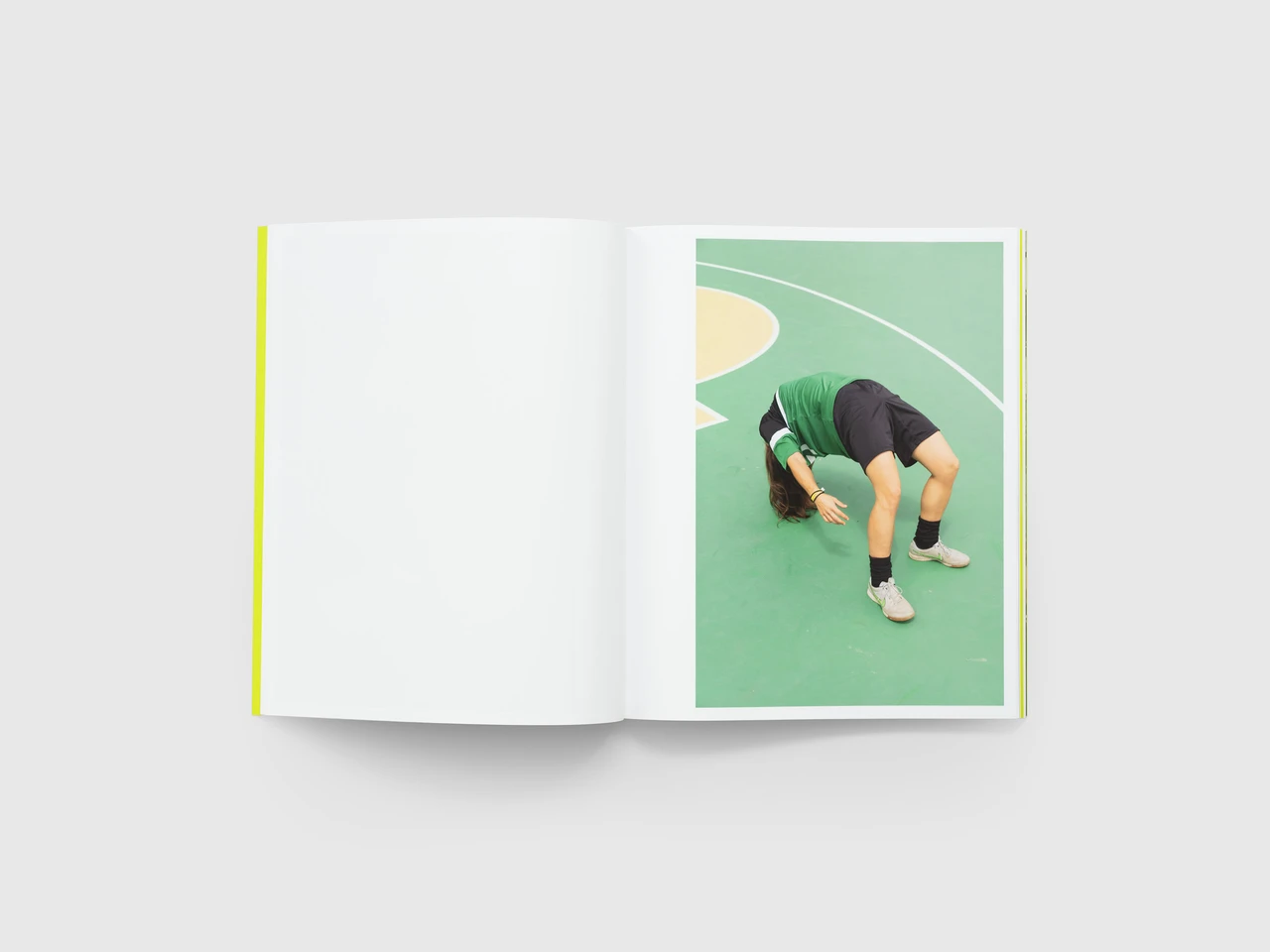
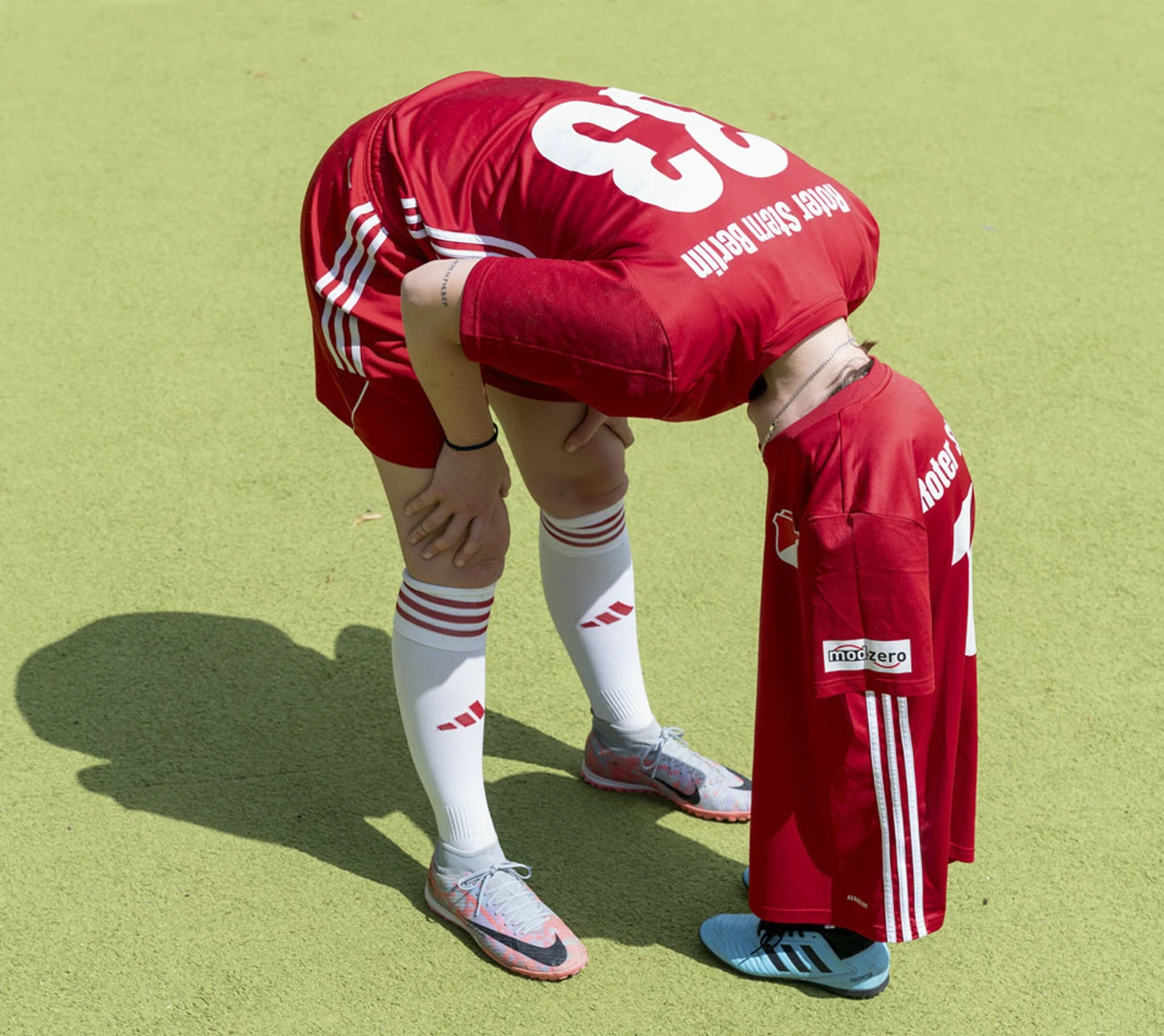
Calgaro photographs bodies that refuse easy legibility: faces swallowed by jerseys; tenderness disguised as “training”; parody gestures that turn the mainstream iconography of football into something like poetry with cleats. The book seals that ambition by folding image into theory.
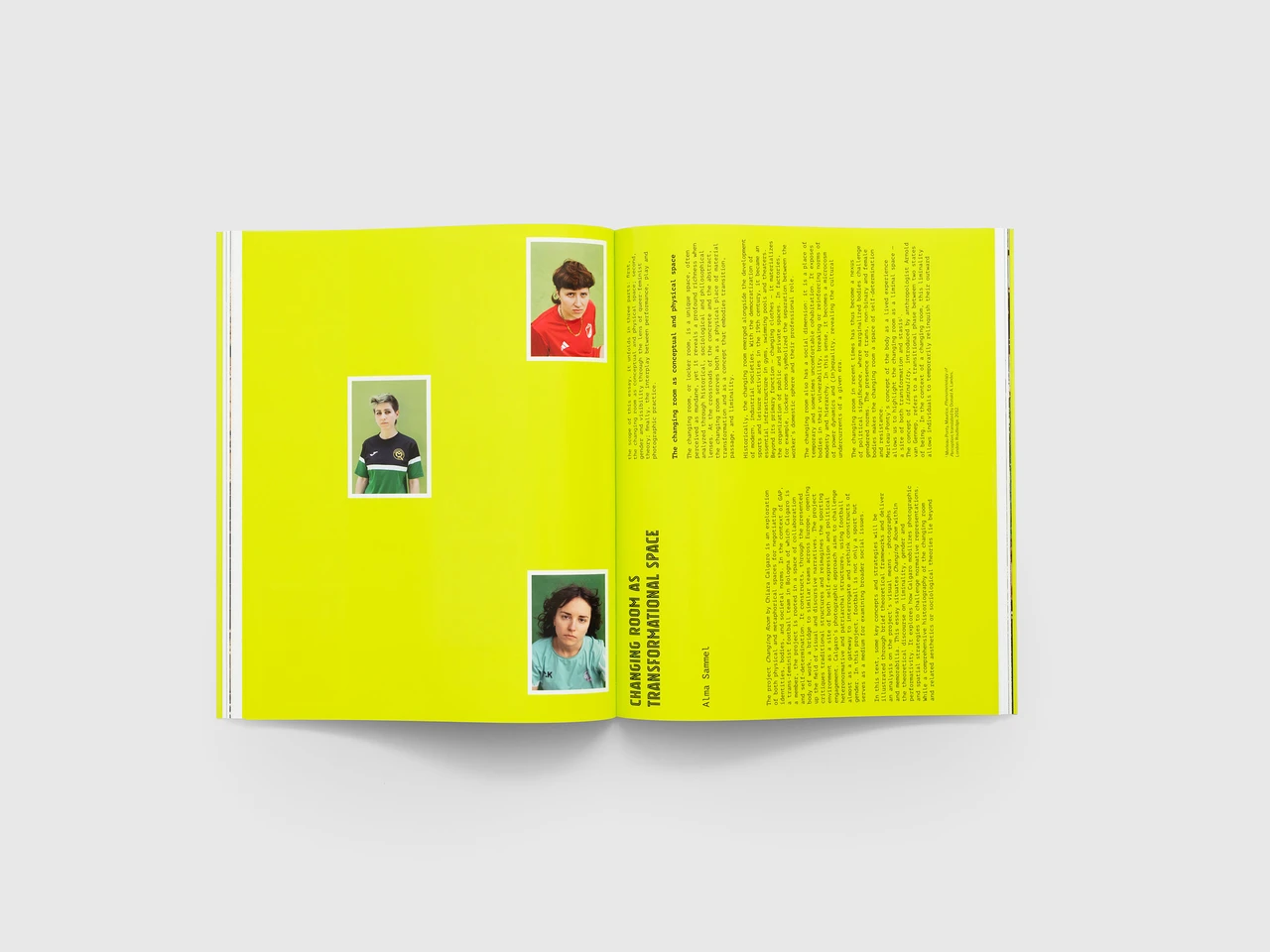
In the volume Alma Sammel reads the changing room through liminality and the lenses of Merleau-Ponty, Foucault, and Butler, while Deniz Nihan Aktan maps queer feminist activist amateur football as a living movement, where the question shifts from “who are we playing against?” to “what are we playing for?”
In other words, this is not a photobook about soccer. It is a manual for rehearsing freedom, one cramped bench at a time.