INSIDE INTERVENTION V: WHERE A BERLIN POWER STATION BECOMES FASHION’S CULTURAL ENGINE

INSIDE INTERVENTION V: WHERE A BERLIN POWER STATION BECOMES FASHION’S CULTURAL ENGINE

Kraftwerk Berlin becomes a one-day cultural score: runway, talks, and sound under one roof, plus a street market that keeps the city in the frame.

INDEPENDENT MAGAZINE

A city reveals its priorities when it chooses the room before the headline. Berlin, in early February, is choosing a former power station, not a hotel ballroom, not a white cube, and not a neutral tent. INTERVENTION V, conceived and curated by Mumi Haiati and staged during Berlin Fashion Week, arrives as a one-day program of runway presentations, conversations, and listening formats. The location is doing more than hosting; it is shaping the narrative.


KRAFTWERK BERLIN, ARCHITECTURE THAT REFUSES NEUTRALITY


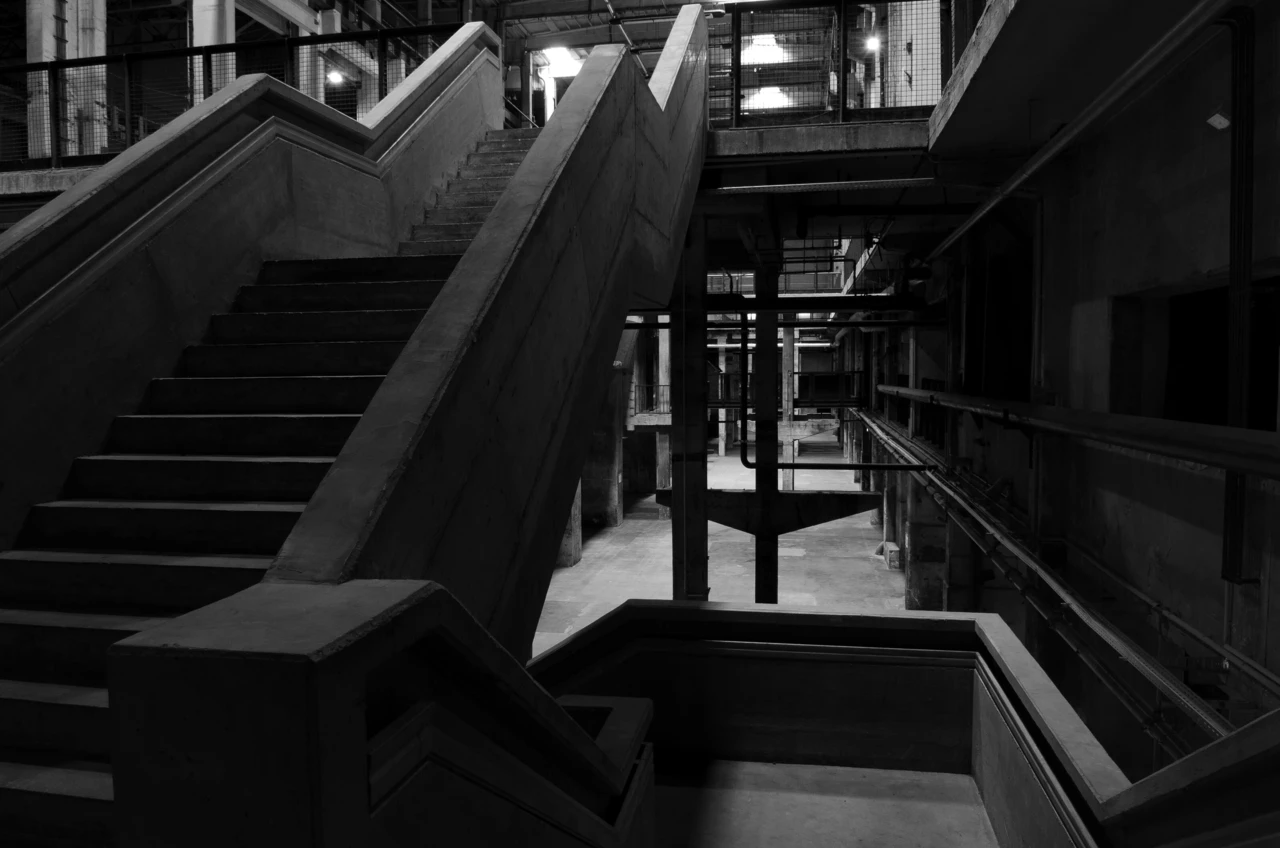
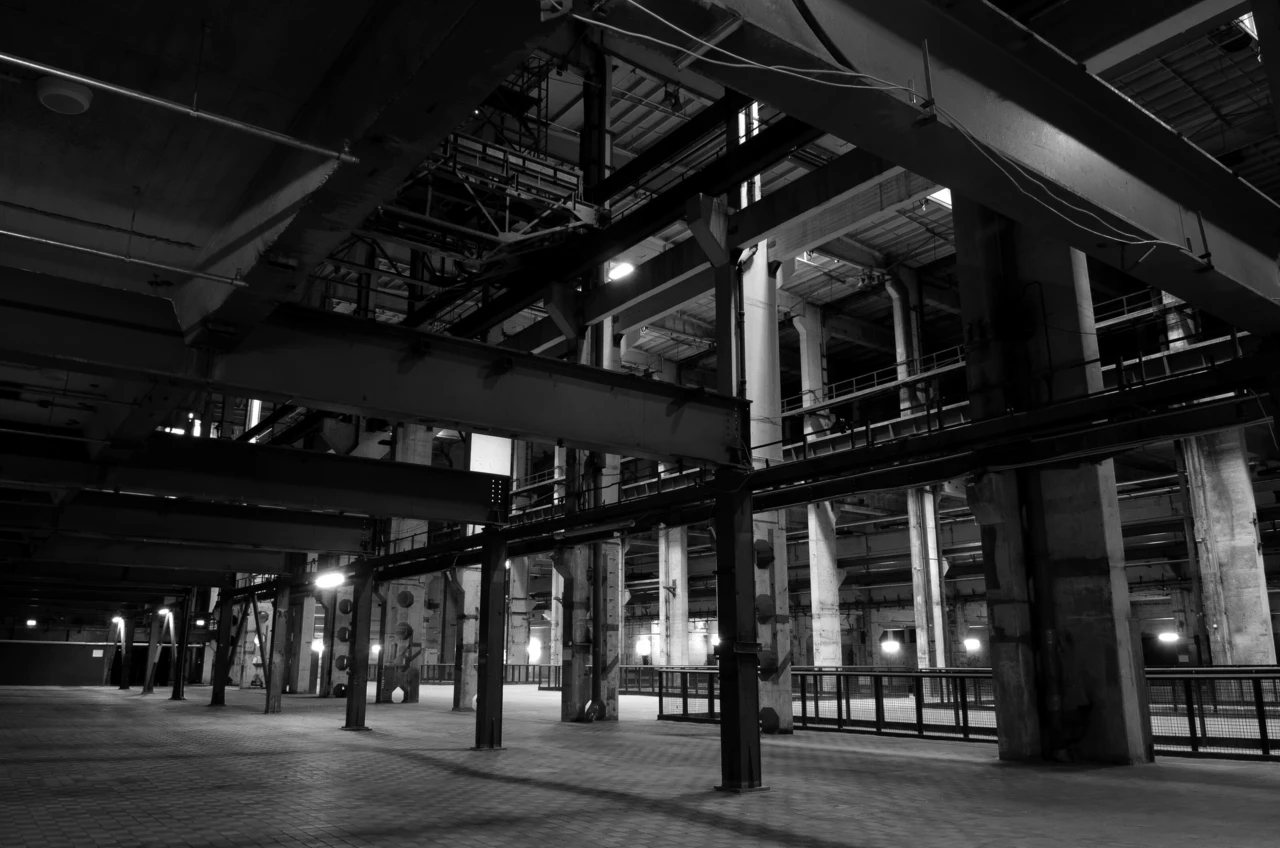
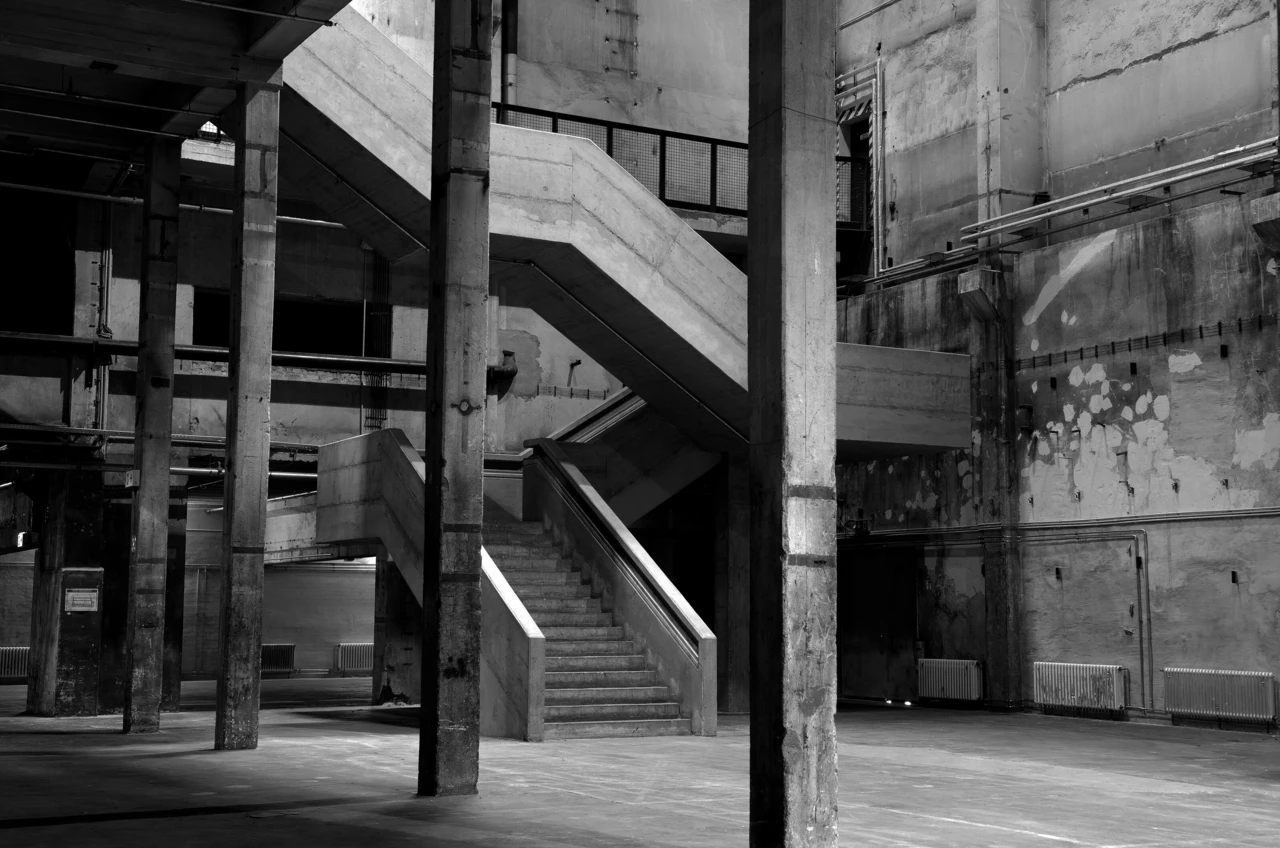
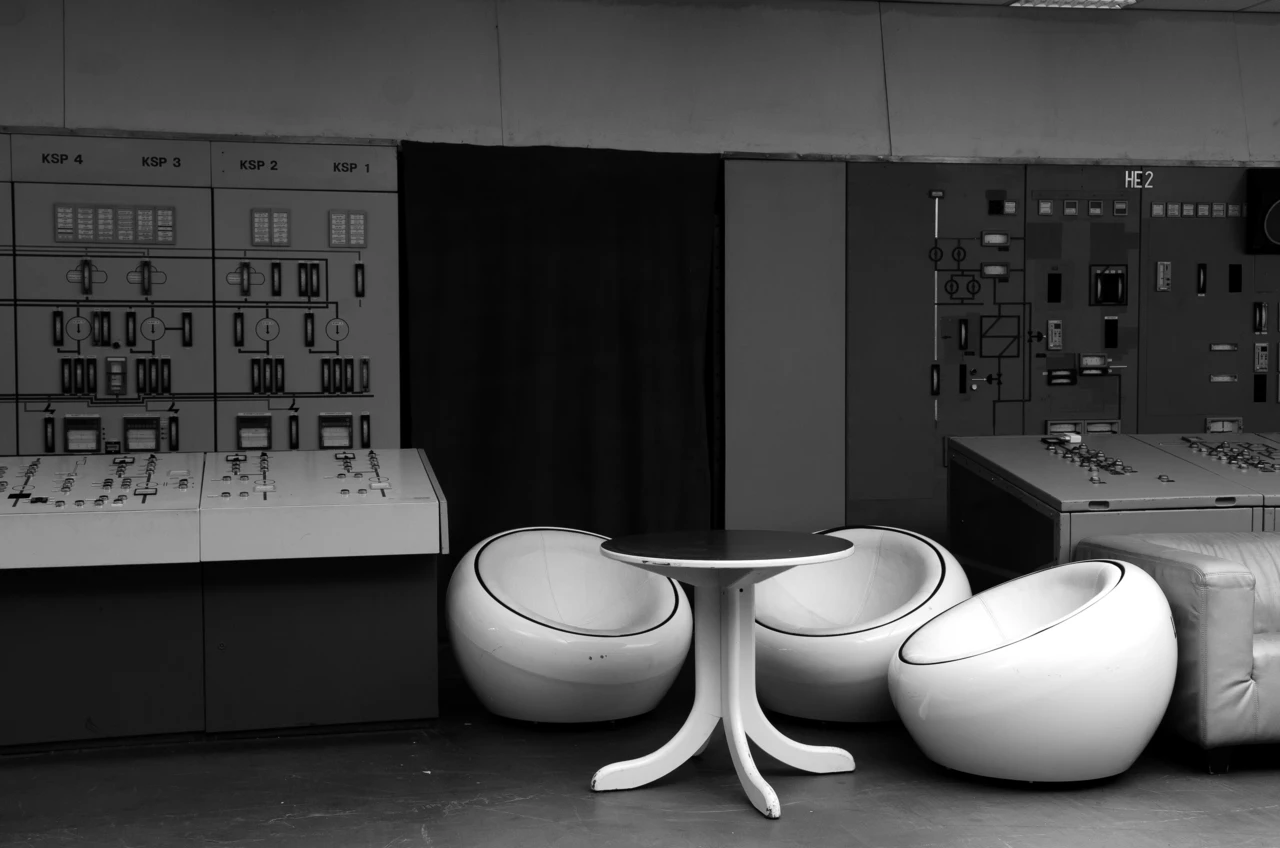
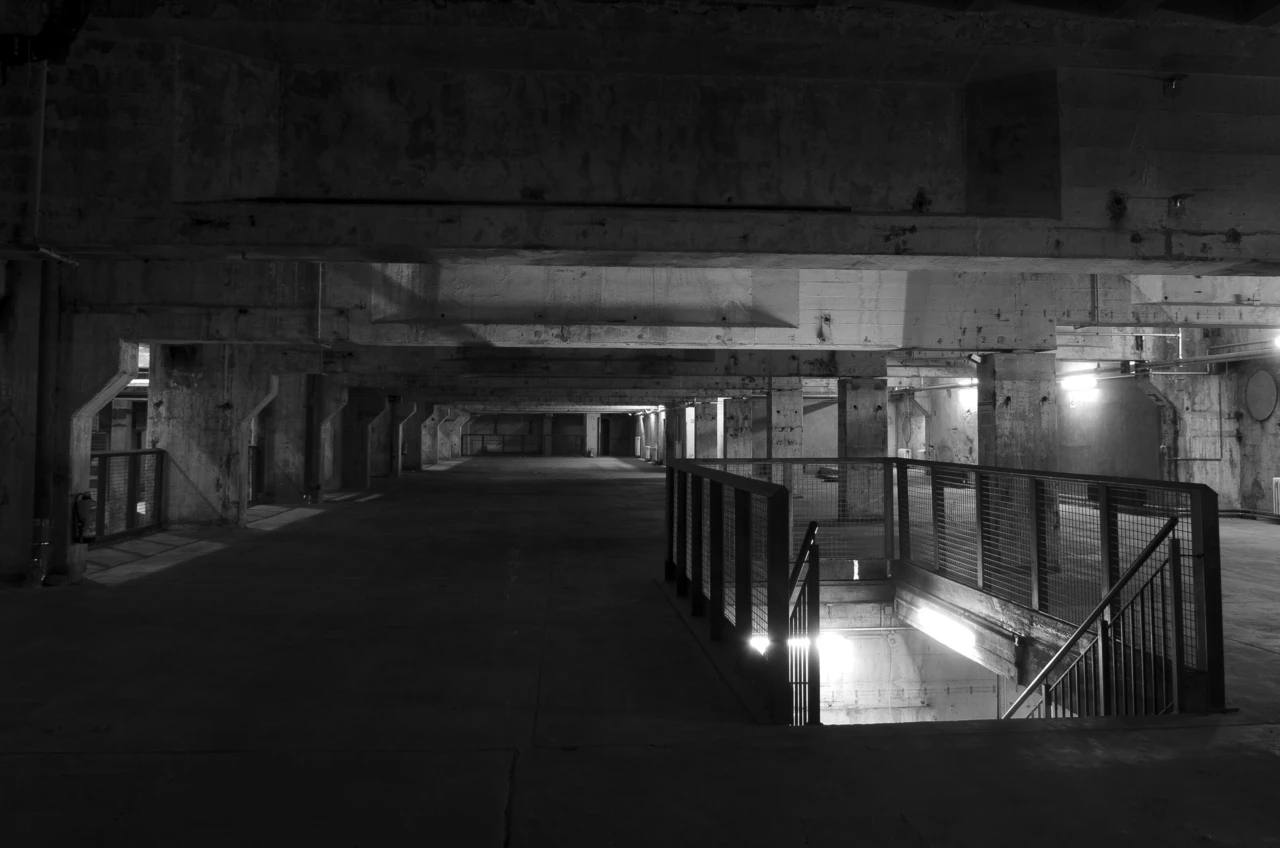
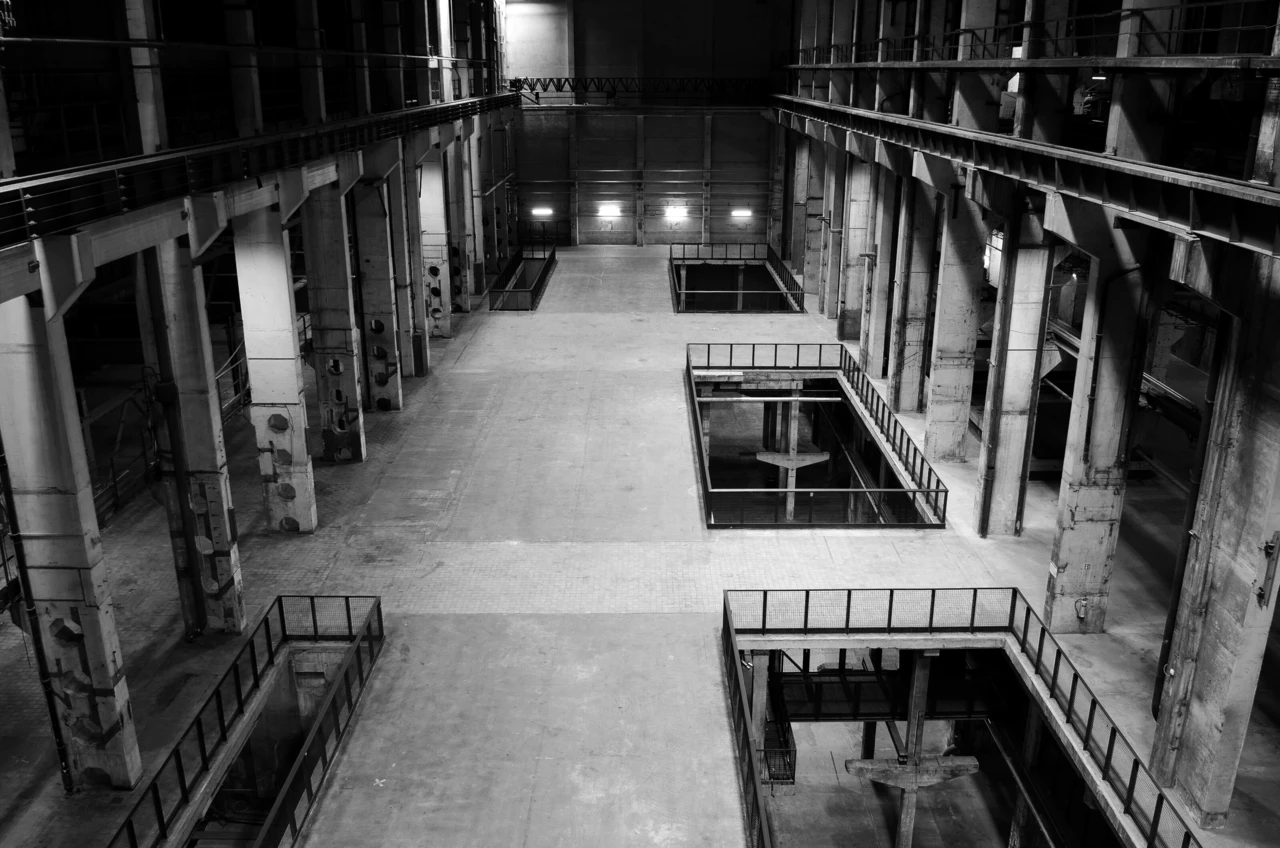
Kraftwerk Berlin is the former Heizkraftwerk Mitte on Köpenicker Straße, built between 1960 and 1964 to supply heat to the city center, then later rebuilt, expanded, and repositioned as an exhibition and event venue starting in 2005. That timeline matters because it explains the building’s particular authority: it was designed as civic infrastructure, and it still carries that purpose in how it holds space. Accounts of its turbine hall describe a vast steel-and-concrete volume, structured by colonnades of concrete pillars and elevated catwalks, a room so dominant that anything placed inside must negotiate with it rather than decorate it. Even an art installation described as one of the largest Robert Irwin has created in Europe treated the hall itself as the protagonist, using its enormous footprint and long axial depth as the work’s raw material.
INTERVENTION, FASHION AS A CULTURAL PROGRAM


Reference Studios has built its identity in a cross-cultural ecosystem where youth and luxury, art and commerce, online resonance and offline gathering coexist in the same field. INTERVENTION extends that premise by treating brands as cultural actors and the day itself as an authored narrative, with the runway as one chapter rather than the whole book. Haiati frames the intent in human terms, not industry jargon: “INTERVENTION creates proximity between disciplines, geographies, and cultures that rarely share space.” The provocation is subtle but firm. If fashion is already shaping how people imagine themselves, why keep pretending it is only a sequence of looks? Why not insist on it as discourse, as community-making, as an engine for cultural literacy?


THE RUNWAY SEQUENCE, DESIGNED TO BE READ, NOT SCROLLED


On February 2, 2026, Berlin Fashion Week’s official schedule places INTERVENTION at Kraftwerk Berlin and lists a clear sequence: BUZIGAHILL, then Kenneth Ize, DAGGER, John Lawrence Sullivan, and GmbH. This is not the usual fashion-week logic of overlap and distraction. It’s a single spine, a day that asks the audience to stay with one language at a time. The lineup foregrounds independent positions and distinct formal vocabularies, and in a building whose scale punishes vagueness, that clarity becomes a curatorial ethic: you show up with ideas that can hold

The extension continues outside the venue with the Doofer Street Market, operating January 30 to February 2 at Potsdamer Straße 100: a four-day experiential pop-up that blurs exhibition, gathering, and performance, and places INTERVENTION in the city as an open encounter.

BERLIN, EDITED RATHER THAN ADVERTISED


INTERVENTION V is supported by the Senate Department for Economic Affairs, Energy and Public Enterprises. The institutional frame does not dilute the project’s edge; it underlines Berlin’s wager that cultural relevance is built by curating contexts rather than copying capitals. Kraftwerk’s past as utility architecture, and its present life as a transdisciplinary site, give INTERVENTION its backbone, architectural and sonic, and also its discipline. 

Subscribe to our free newsletter!