MARTIN MARGIELA AT KUDAN HOUSE: WHEN ART MOVES IN, THE HOUSE LOOKS BACK

MARTIN MARGIELA AT KUDAN HOUSE: WHEN ART MOVES IN, THE HOUSE LOOKS BACK

In a 1927 Tokyo villa, Margiela turns domestic space into an optical engine, staging an intimate, temporary exhibition where absence becomes a method again.

INDEPENDENT MAGAZINE

"MARTIN MARGIELA AT KUDAN HOUSE", running from April 11 (Sat.) to April 29 (Wed.), 2026, is announced as the Belgian artist’s first large-scale solo exhibition in Japan. The entire building becomes walkable as a temporary installation, with scenography and curation led by Margiela himself—an authorial approach that treats the house less as a venue than as an instrument. He has often spoken to the tension of showing contemporary work inside a historic residence; upon visiting Kudan House, he felt a strong resonance with its presence and atmosphere. A “vast number of works” is promised across collage, painting, drawing, sculpture, assemblage, and video, threaded throughout the full architecture of the home.


A HOUSE THAT REFUSES NEUTRALITY


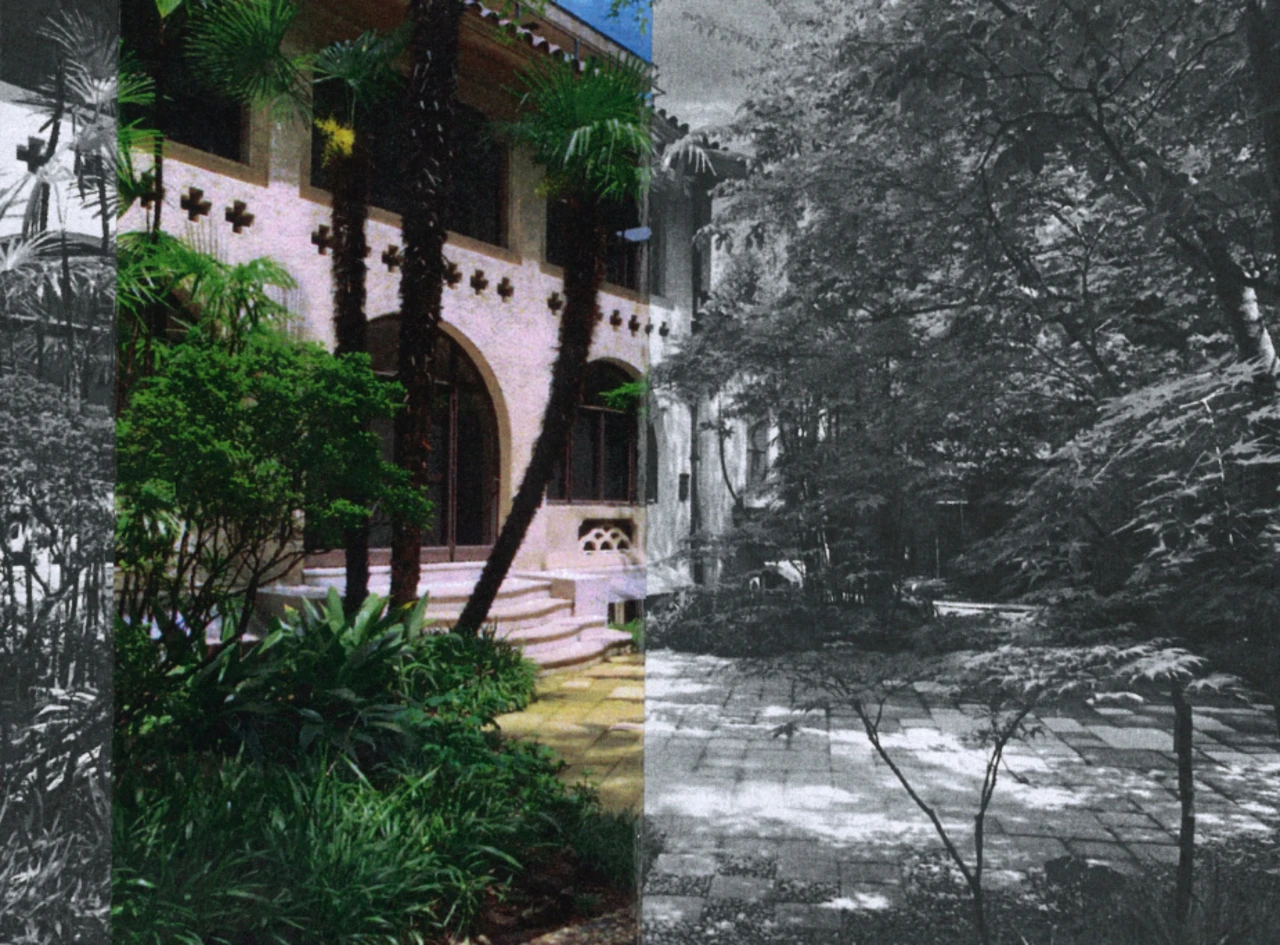
Kudan House, formerly the old Yamaguchi Mankichi Residence, reads like a palimpsest: modern ambition written over seismic trauma. After the Great Kantō Earthquake, Yamaguchi wanted a structure engineered to resist both earthquake shock and fire—an anxious brief, a pragmatic dream of durability. The project involved engineer Tacchu Naito, celebrated as a “father” of earthquake-resistant design, alongside architects Shichiro Kigo and Kenji Imai, with on-site contributions by Tetsuro Yoshida. The result is a reinforced-concrete body in a Spanish-style Western idiom, yet still accommodating Japanese rooms—a hybrid domesticity that already performs translation, collision, compromise.


Registered in 2018 as a Tangible Cultural Property, the building now functions as a members-only business innovation hub—an institutional afterlife that sits in tension with its origin as a home. Installing the exhibition in an old house marked by traces of domestic life aligns with an atmosphere of privacy long dear to Margiela. Visitors are invited to discover the artworks in the complete intimacy of the rooms, moving through the entire house as if moving through a set of lived thresholds. The ordinary isn’t replaced; it is re-lit until it becomes something else.

ANONYMITY, SCALED TO A ROOM


Anyone arriving for a museum-grade coronation of the fashion myth risks misreading the stakes. The point is not the name; it is the posture. Margiela—the author who made absence feel like a signature—still insists on disappearance as practice. The exhibition’s intimacy is not sentimental; it is strategic, calibrated to perception, to distance, to the politics of looking.

In his “from the artist” statement, Margiela says: “Anonymity is essential to me in order to protect my privacy, vital for my creative freedom. I still have the same interests and obsessions as I did during my time in fashion, but the human body is no longer my sole medium of expression.”

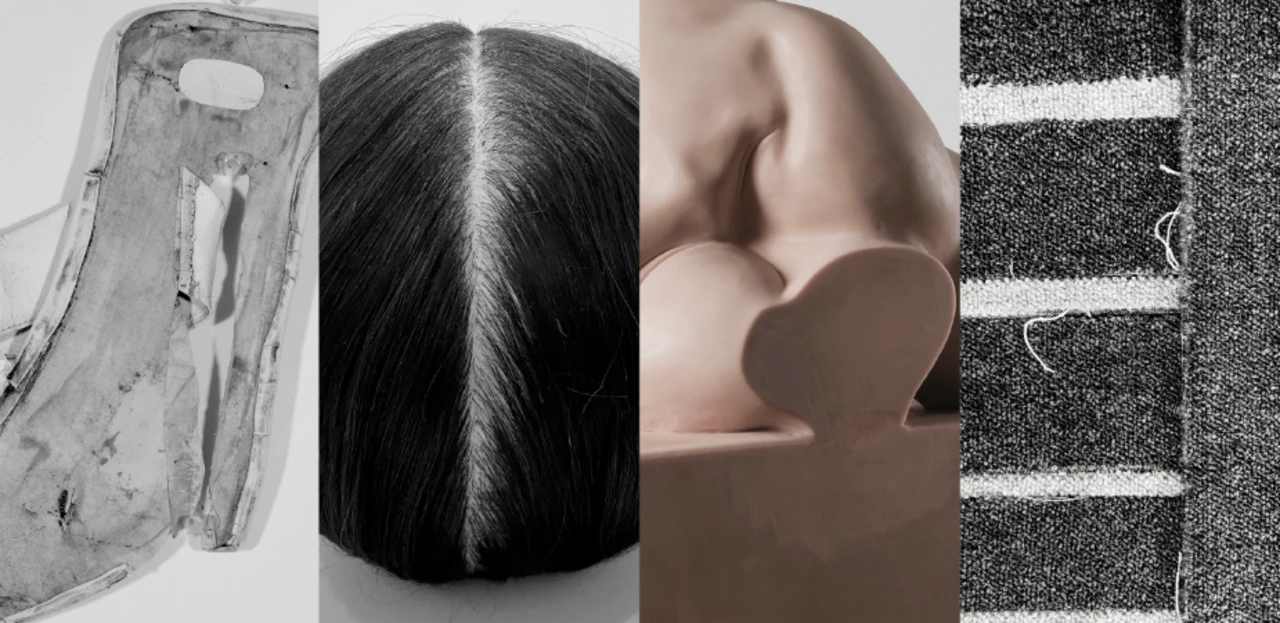
Having stepped away from the fashion world in 2008 to devote himself fully to his practice as an artist, he continues an inquiry centered on the human body, traces, time, and absence—work propelled by reuse, disassembly, and transformation as engines rather than themes. Crucially, he refuses closure. “I prefer to instill questions than to show answers.” He also insists on process—on the visibility of making, the dignity of the imperfect. “I am an observer since forever and common objects and situations highly inspire me. Even if it is obvious today to use technical assistance of all sorts, I love to insist on showing the process of the hand-crafted wherever I can. This explains my profound love for imperfection, patina and the beauty of the unfinished.”

TOKYO, AGAIN, BUT WITH THE SIGN REVERSED


In 2000, Margiela opened the world’s first Maison Martin Margiela store in Tokyo, inside a historic residence in Ebisu, exhibiting collections throughout the entire house—bathrooms, kitchens, the domestic backstage exposed as display. A quarter-century later, the gesture returns—then flips its meaning. This time, the house does not sell. It does not seduce with product. It asks you to stay long enough for perception to shift.


Margiela says: “I am delighted to return to Tokyo and present my work in this house built in 1927. Just as in 2000, I hope visitors will encounter the works with in the intimate spaces of each room and experience a sense of surprise.” Surprise here isn’t spectacle; it’s proximity—the visitor’s body measuring scale, catching material in peripheral vision, reading time in surfaces, seams, and decisions.

An installation declared ephemeral—destined to disappear at the end of April—inhabits a building whose protected status is an attempt to slow time down. Between conserving and letting go, between archive and trace, Margiela’s love for patina and the unfinished finds a house that already wears time on its walls.


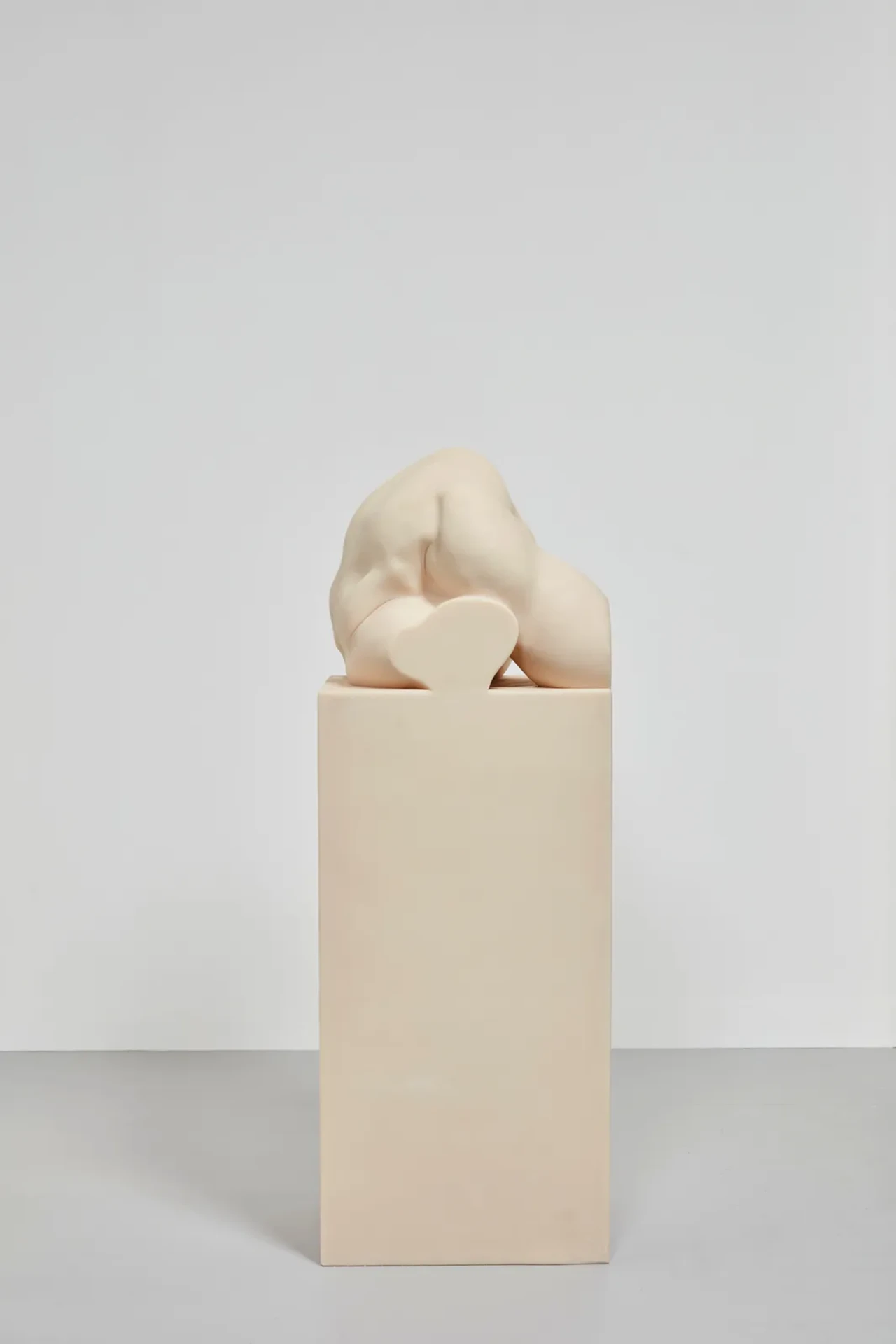
Martin Margiela. Torso III

1450 × 505 × 394 mm
58 × 20.2 × 15.76 in
Unique

Acrylic plaster, wood core.

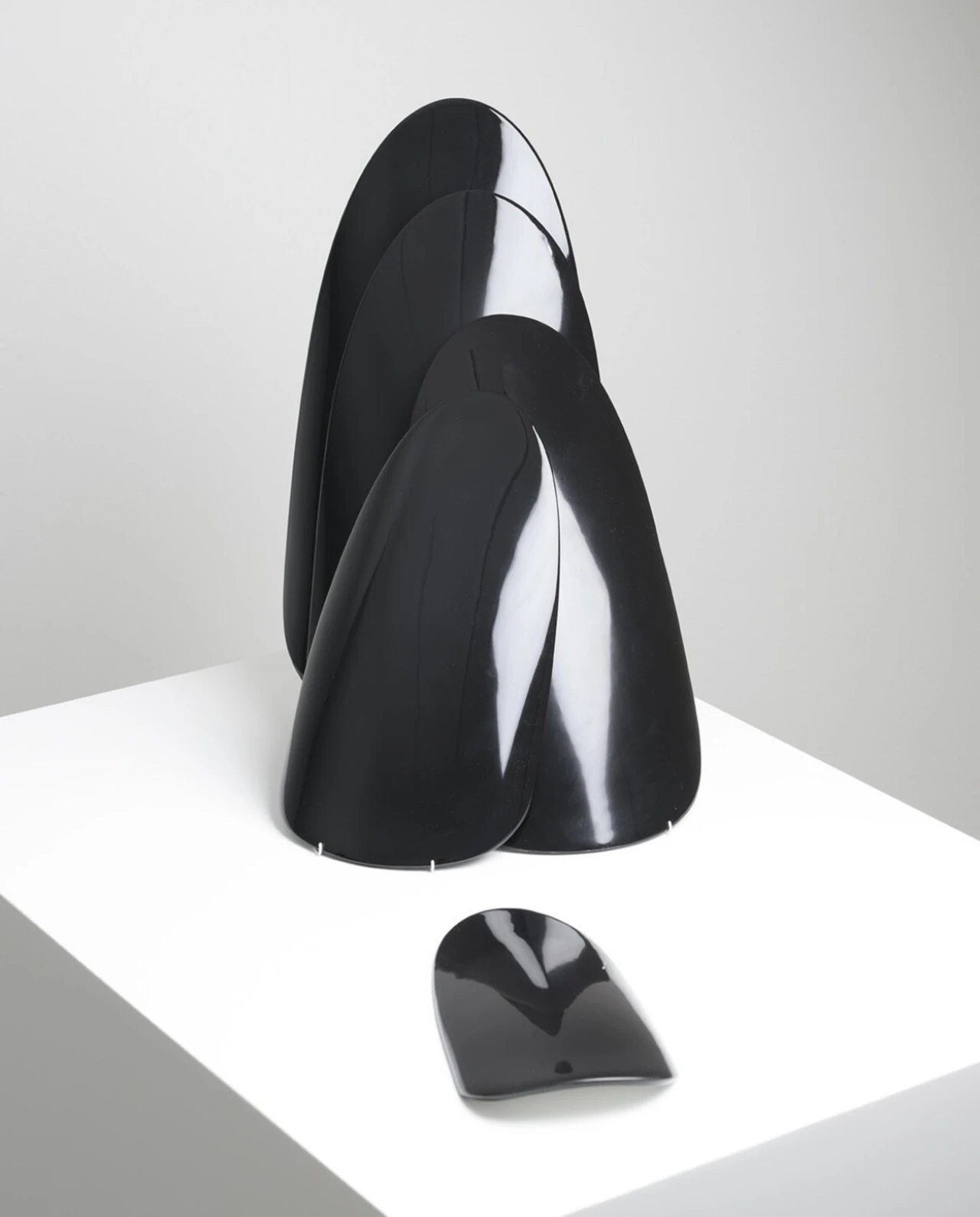
Martin Margiela. Black Nails Model

210 × 100 × 20 mm
8.4 × 4 × 0.8 in
Unique

Nymphenburg porcelain enamel.

Subscribe to our free newsletter!