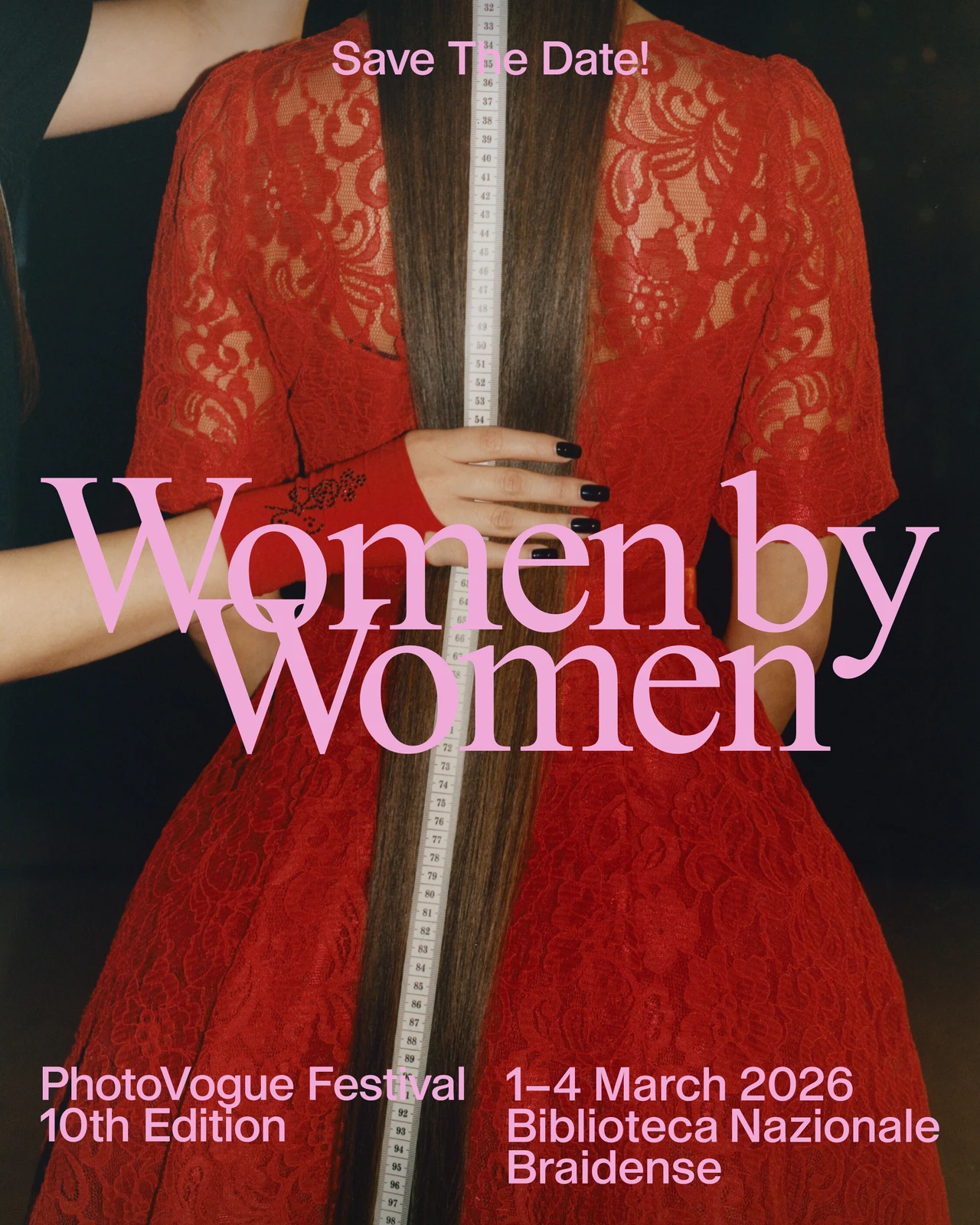
A Fashion Week crowd knows how to read a look in half a second. A library asks for something slower. That is the quiet provocation of PhotoVogue Festival’s tenth edition, staged from March 1 to 4, 2026, during Milan Fashion Week. This year, for the first time, it takes place inside the Biblioteca Nazionale Braidense, one of Italy’s most important historic libraries. In a room built to hold centuries of thought, the image is no longer an accessory. It becomes a document, a dispute, a promise.
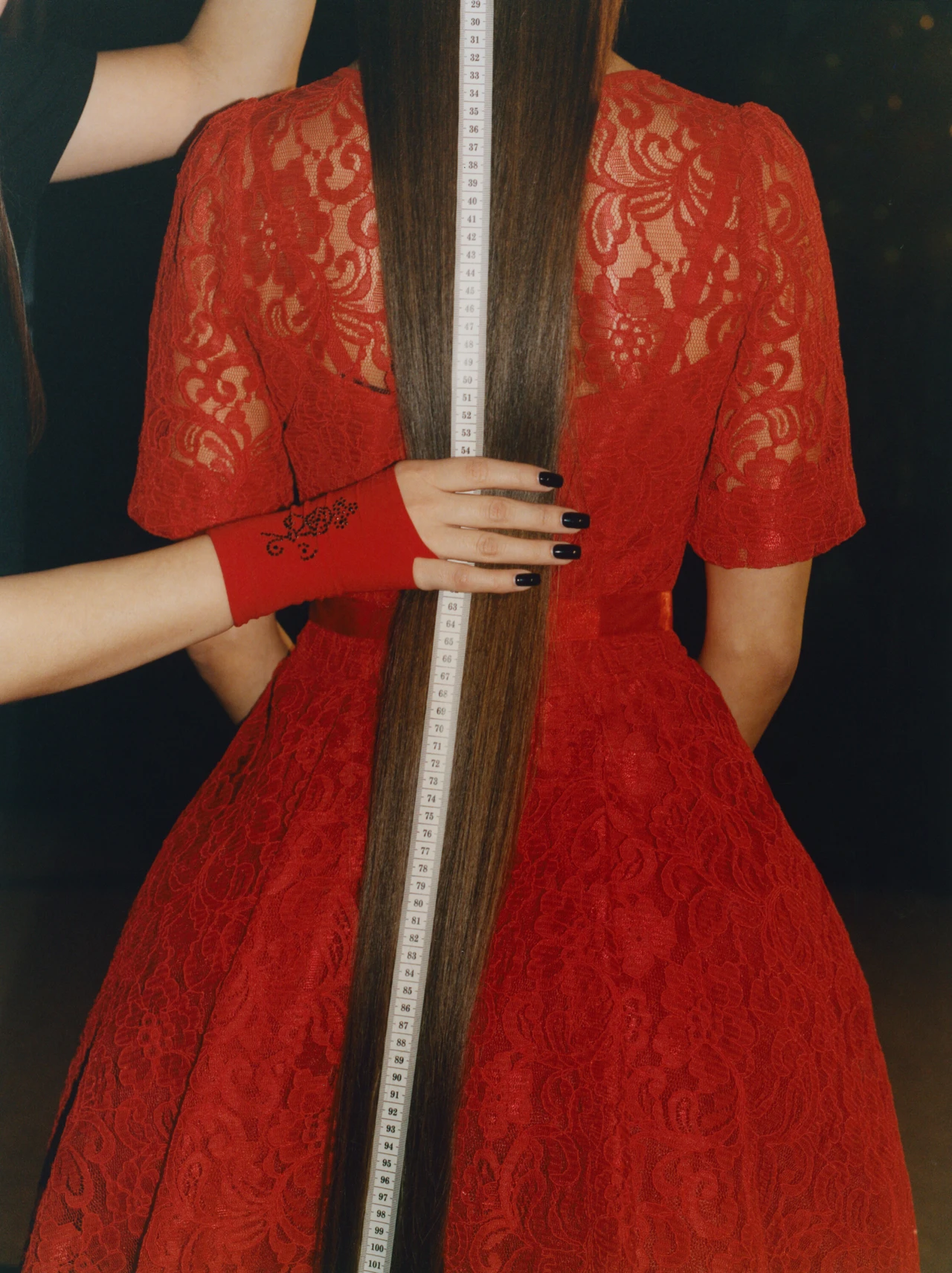
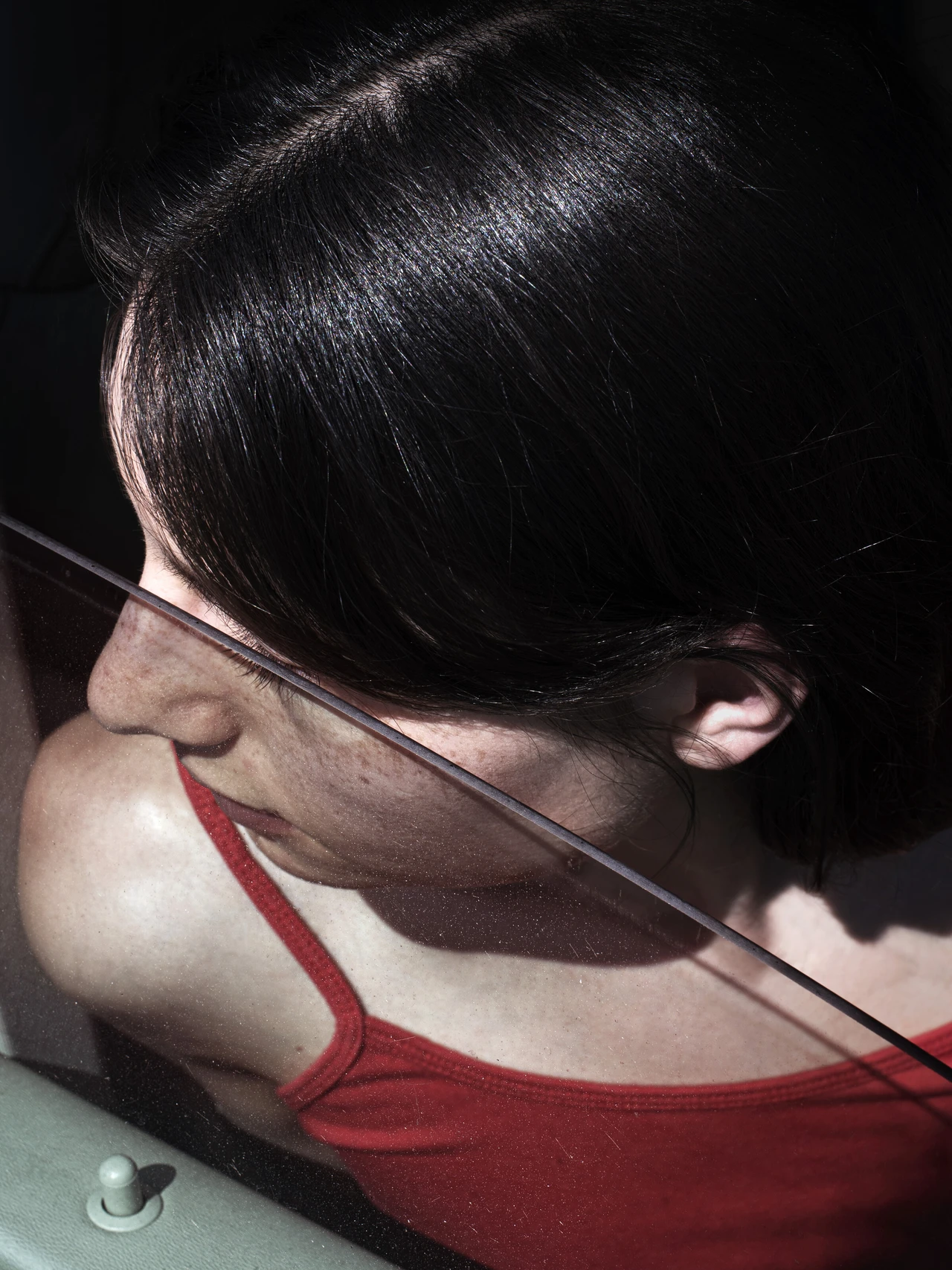
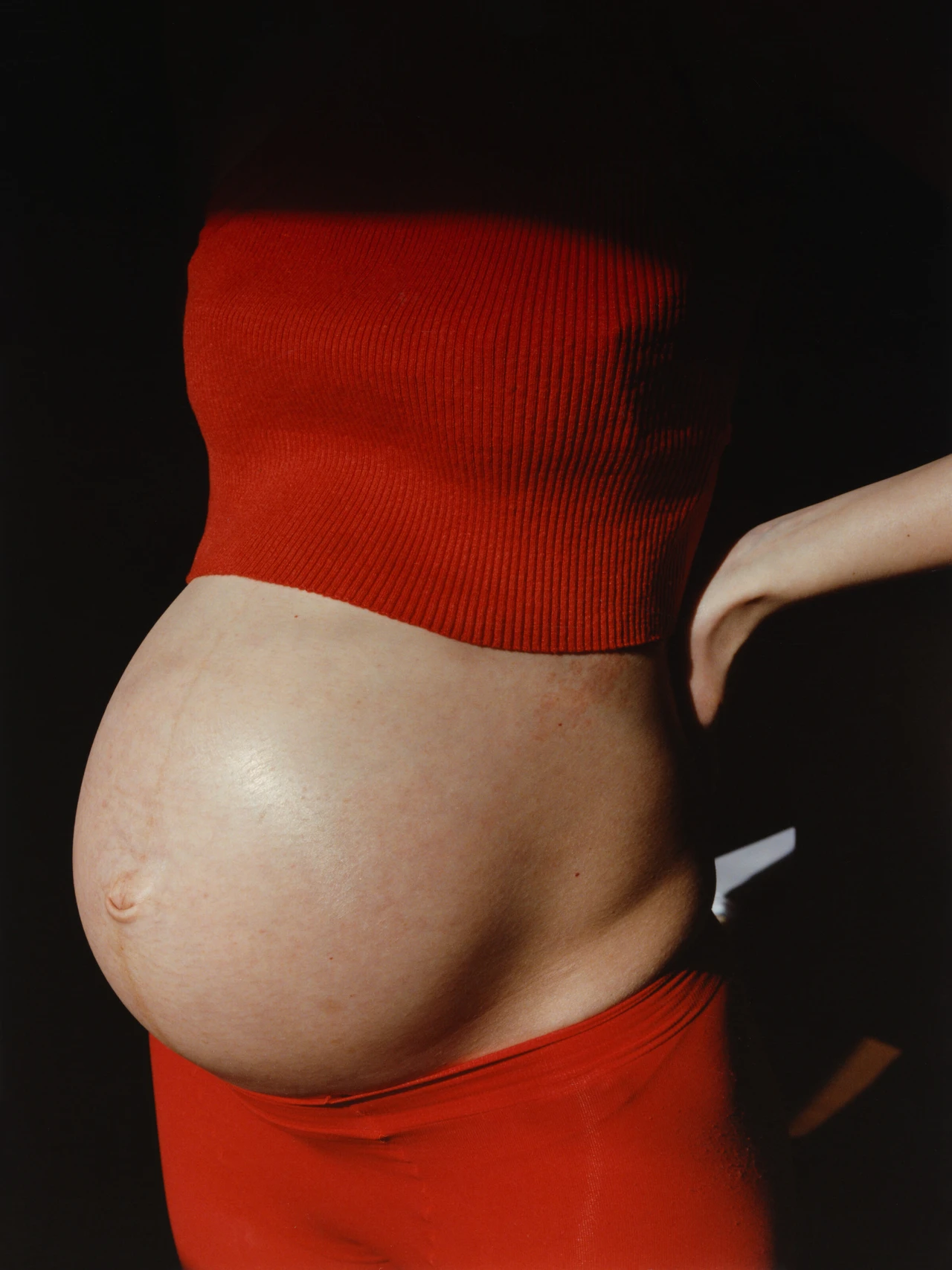
Vera van Dam Dahlia 2025
Youn Jung Kim The Divine Body 2025
TEN YEARS OF “CONSCIOUS” FASHION PHOTOGRAPHY
PhotoVogue Festival was born in Milan with a clear ambition: to treat fashion photography as a cultural force, not as visual perfume spritzed over a page. The festival’s founding idea, often described as conscious fashion photography, keeps beauty and responsibility in the same frame. It suggests, without moralizing, that style can be pleasurable and still accountable; seductive and still awake.
That posture did not appear out of nowhere. PhotoVogue began in 2011 as a curated platform designed to surface new talent and circulate alternative narratives through editorial selection, not simple algorithmic popularity. In 2016, the project took physical form as a festival, bringing the community into the city and turning Milan into a laboratory for the politics of representation. Over the years, the festival’s themes have worked like chapters, each one testing how images shape identity, desire, power, inclusion, and the cultural weather of the moment.
WOMEN BY WOMEN, BEYOND THE EASY COMFORT OF A BINARY
The 2026 theme, Women by Women, feels like a return to origins, but it reads more like a warning, and a recalibration. This edition celebrates the many ways women express, represent, and imagine themselves, while refusing the comforting assumption that women’s rights, visibility, and recognition are permanently secured. Social gains can look stable right up to the moment they start sliding. That tension between apparent progress and its fragility gives the theme its heat.
Importantly, the festival does not frame the conversation as a simple swap: male gaze out, female gaze in. Real life is messier than a slogan. PhotoVogue proposes something more nuanced: women’s experiences are plural, and so are their visual languages. The claim is not only that women deserve to be seen. It is that women have the right to look, to interpret, to author, and to set the terms under which the image is made and received.
As Alessia Glaviano, Head of Global PhotoVogue and Festival Director, underlines, this edition insists on female vision as a force that is plural, dynamic, and free to shape its own narrative. That phrasing matters. It moves the discussion from representation as a favor to authorship as a right.
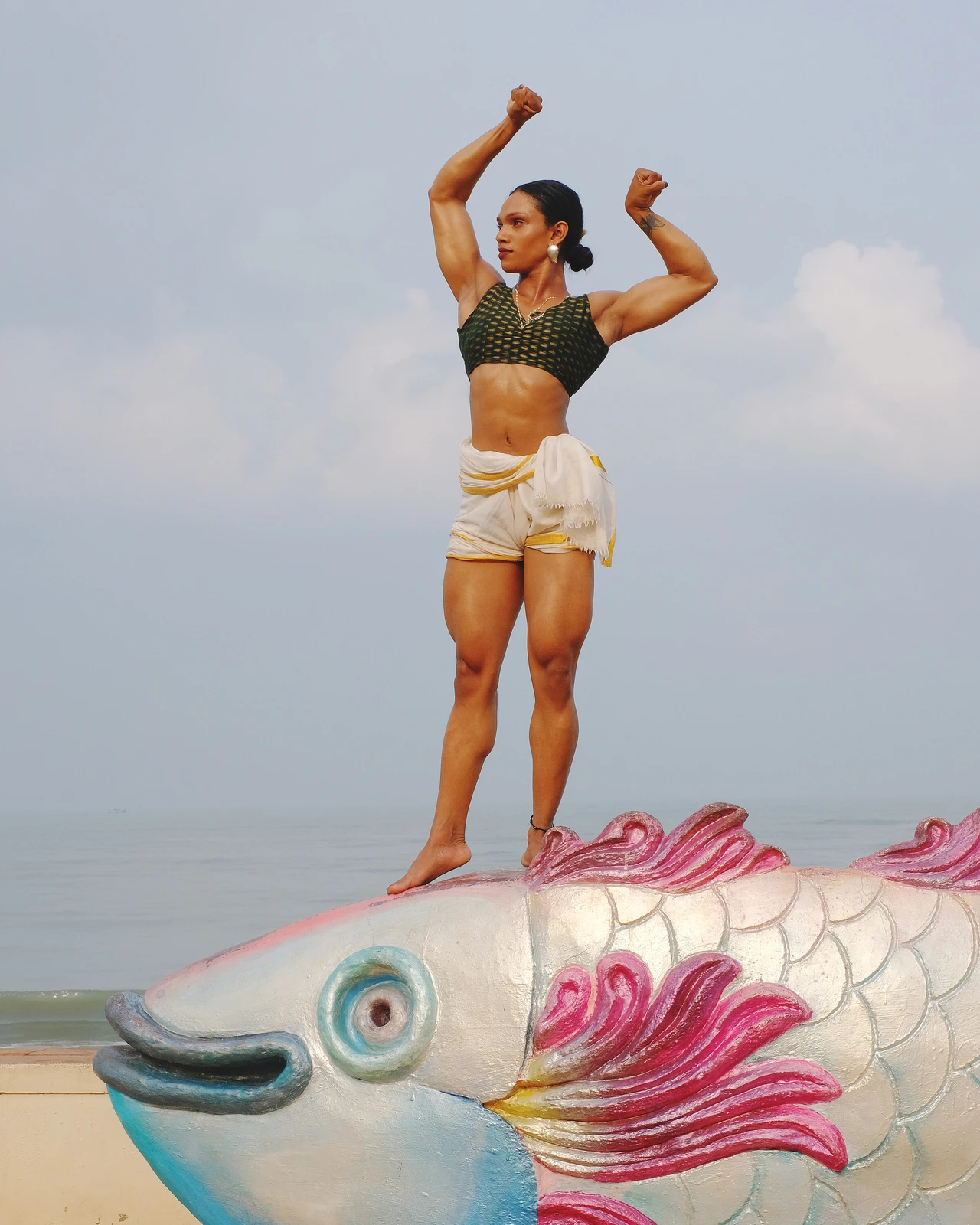
Keerthana Kunnath Sandra posing as a Hindu goddess 2025
A LIBRARY AS VENUE, AND AS MANIFESTO
The choice of the Biblioteca Nazionale Braidense is not a neutral upgrade. A library is a keeper of complexity: a public structure that protects contradictions and preserves voices that might otherwise be drowned out. Hosting the festival in a place dedicated to knowledge carries a symbolic charge, especially at a time when multiplicity and diversity are increasingly contested. Here, the image is treated as a form of understanding, something to be studied, debated, and archived, not simply consumed.
The 2026 festival is organized in collaboration with the Pinacoteca di Brera and the Biblioteca Nazionale Braidense, and it is supported by the patronage of Camera Nazionale della Moda Italiana. That triangle of fashion, museum culture, and a historic national library signals an expanded ambition: to place fashion photography within the broader ecosystem of cultural heritage.
The question, slightly uncomfortable, is unavoidable. If libraries teach us how to read words, who teaches us how to read pictures, especially the pictures that sell us ideals?
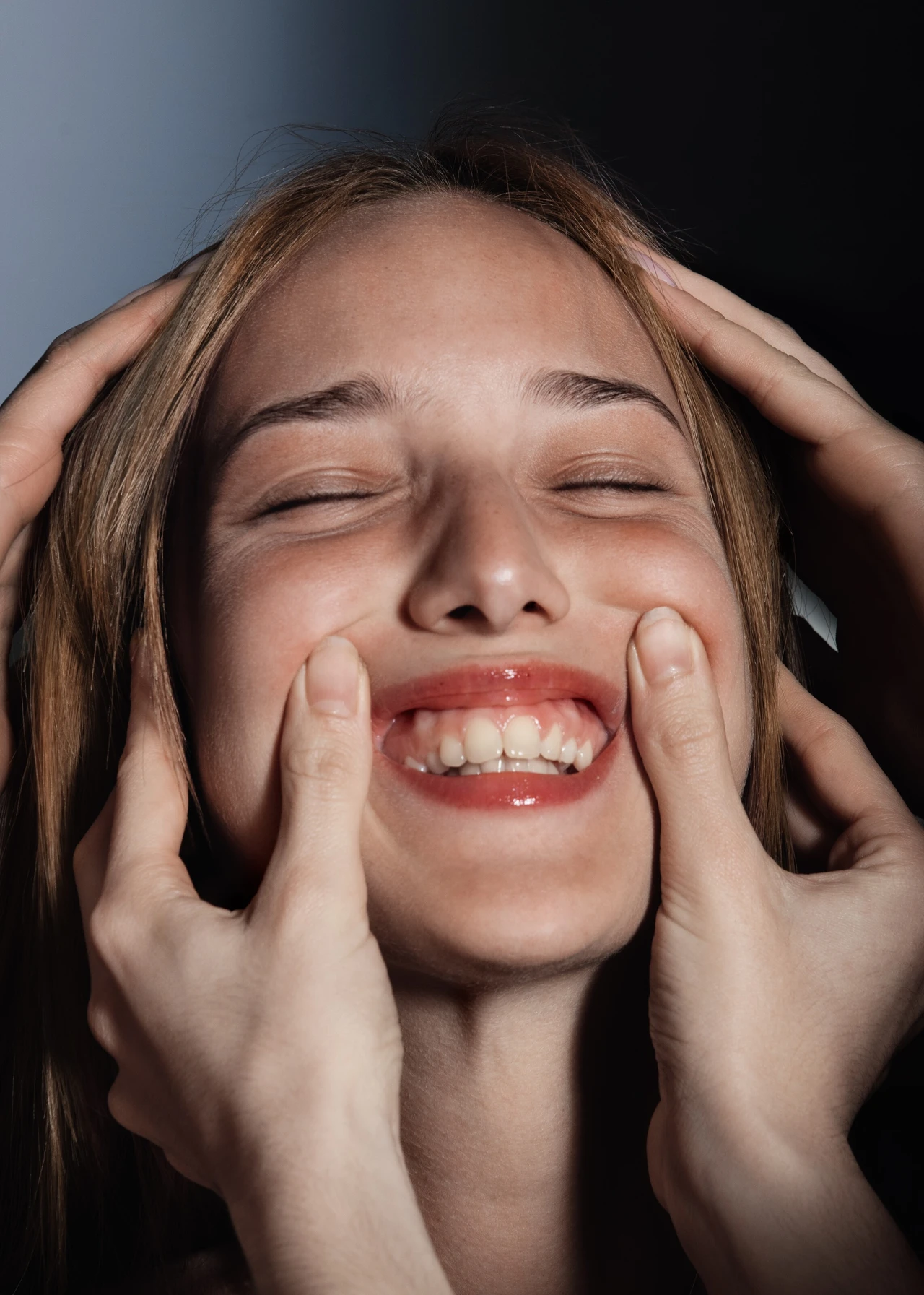
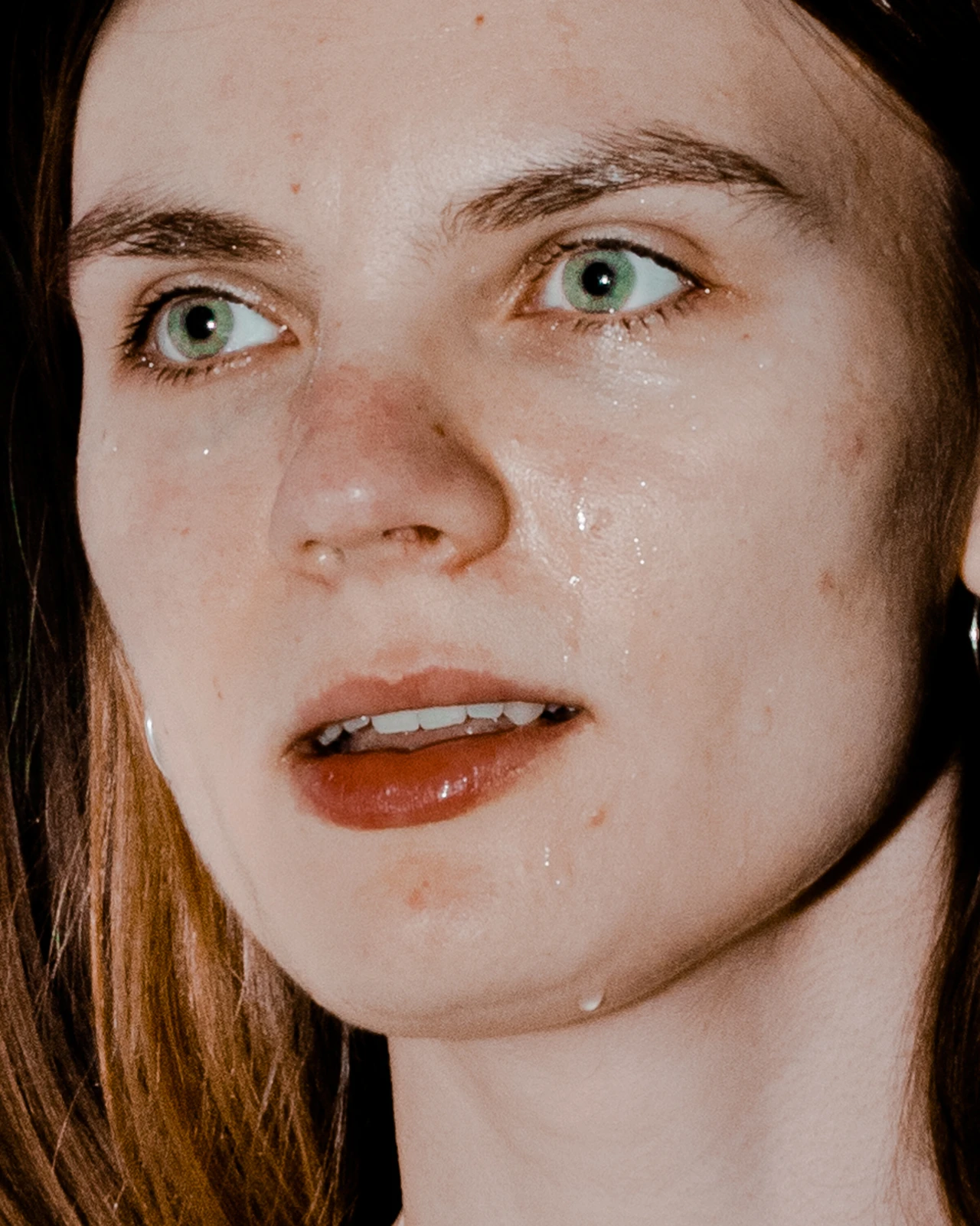
Carla Rossi Bellissima 2025
Myriam Boulos Sexual Fantasies 2025
FROM IMAGE-MAKING TO VISUAL LITERACY. A PUBLIC CONVERSATION WITH FREE ADMISSION
The program includes exhibitions, panels, presentations, and digital showcases, designed as a meeting point where women’s stories are seen, discussed, and valued. The festival invites the public to engage with a global community of artists, filmmakers, and thinkers, and to explore how photography and video can build identity, challenge dominant visual paradigms, and redefine women’s agency and presence.
This is where PhotoVogue’s cultural weight becomes clearest. Representation is not framed as an aesthetic preference, but as terrain where power is negotiated. A picture can flatter, but it can also classify, exclude, erase. It can train the gaze to accept a narrow norm, or it can widen the field of what is imaginable.
And then there is the most democratic detail, stated plainly: admission is free. On Sunday, March 1, the festival runs from 2:00 pm to 9:00 pm; from Monday, March 2, through Wednesday, March 4, it is open from 11:00 am to 9:00 pm. In a system where access is often curated by price, free entry is not only hospitality. It is an argument. If the festival is asking who gets to author images, it cannot build that conversation behind a velvet rope.
THE CONVERSATION DOESN’T END AT THE EXIT. IT SPILLS INTO PRINT
The tenth edition also coincides with the release of Vogue Italia’s March issue, which will dedicate significant editorial space to Women by Women, extending the theme across print, digital, and cultural platforms. That matters in a subtle way. Print is slower, more deliberate, less easily swallowed by the endless scroll. Paired with a library setting, it reinforces a stance that feels almost countercultural in 2026: the image deserves time. Time to be read, time to be questioned, time to reveal what it is asking from us.
Ten years in, PhotoVogue Festival still operates like a sensitive instrument. It measures the shifting borders of what is visible, who controls the frame, and which stories are allowed to feel “universal.” For its anniversary, it chooses a title that sounds simple and lands heavy: Women by Women. Not as a niche corner of fashion week, but as a reminder that authorship is never guaranteed. It is practiced. It is defended. It is rebuilt, frame by frame.