ADATTO SPACE AND THE ART OF MAKING ROOM FOR NEW VOICES

ADATTO SPACE AND THE ART OF MAKING ROOM FOR NEW VOICES

A new Milan-based space built on flexibility, where architecture meets photography and community, and every project rewrites the room again and again.

ALESSIA CALIENDO
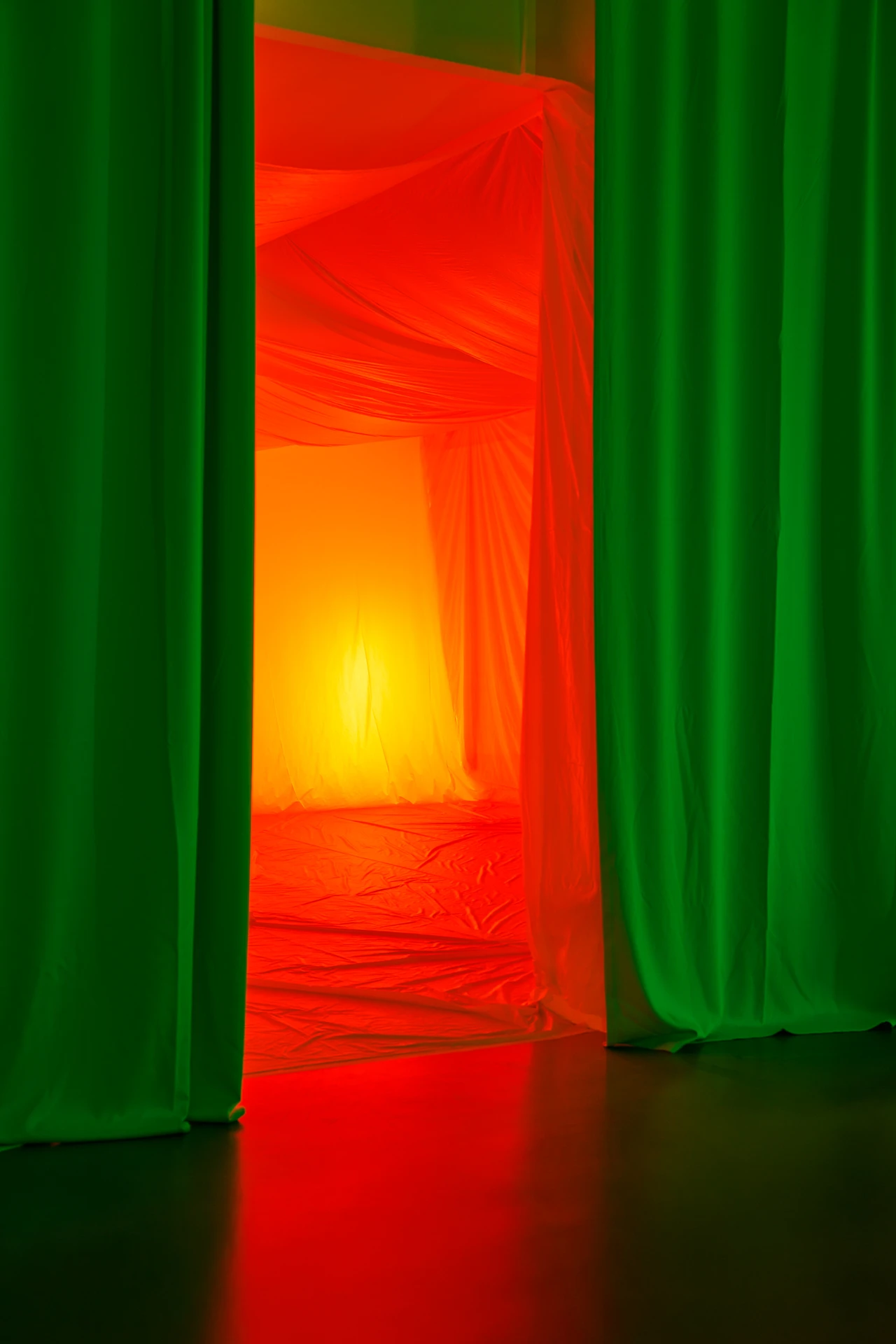
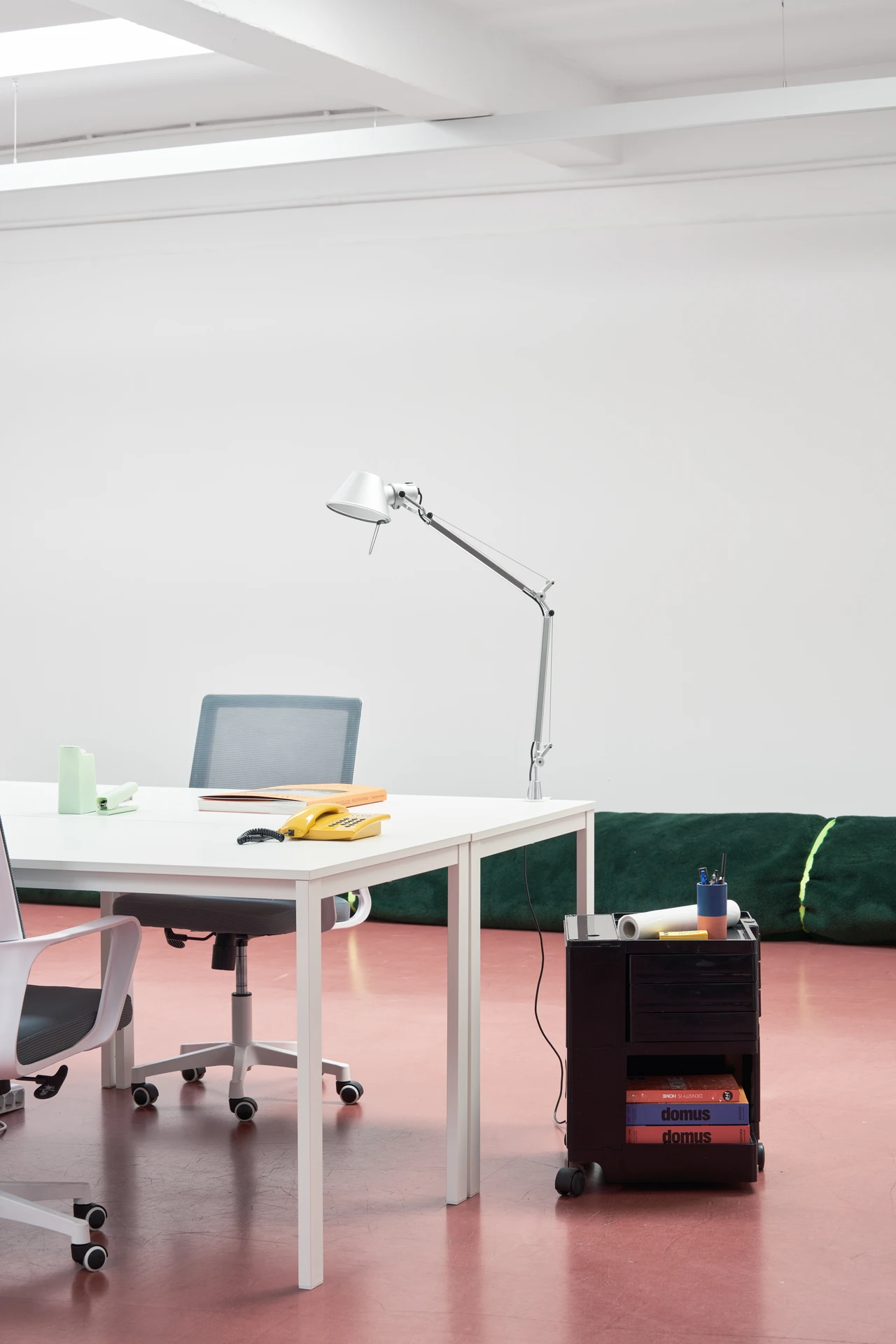
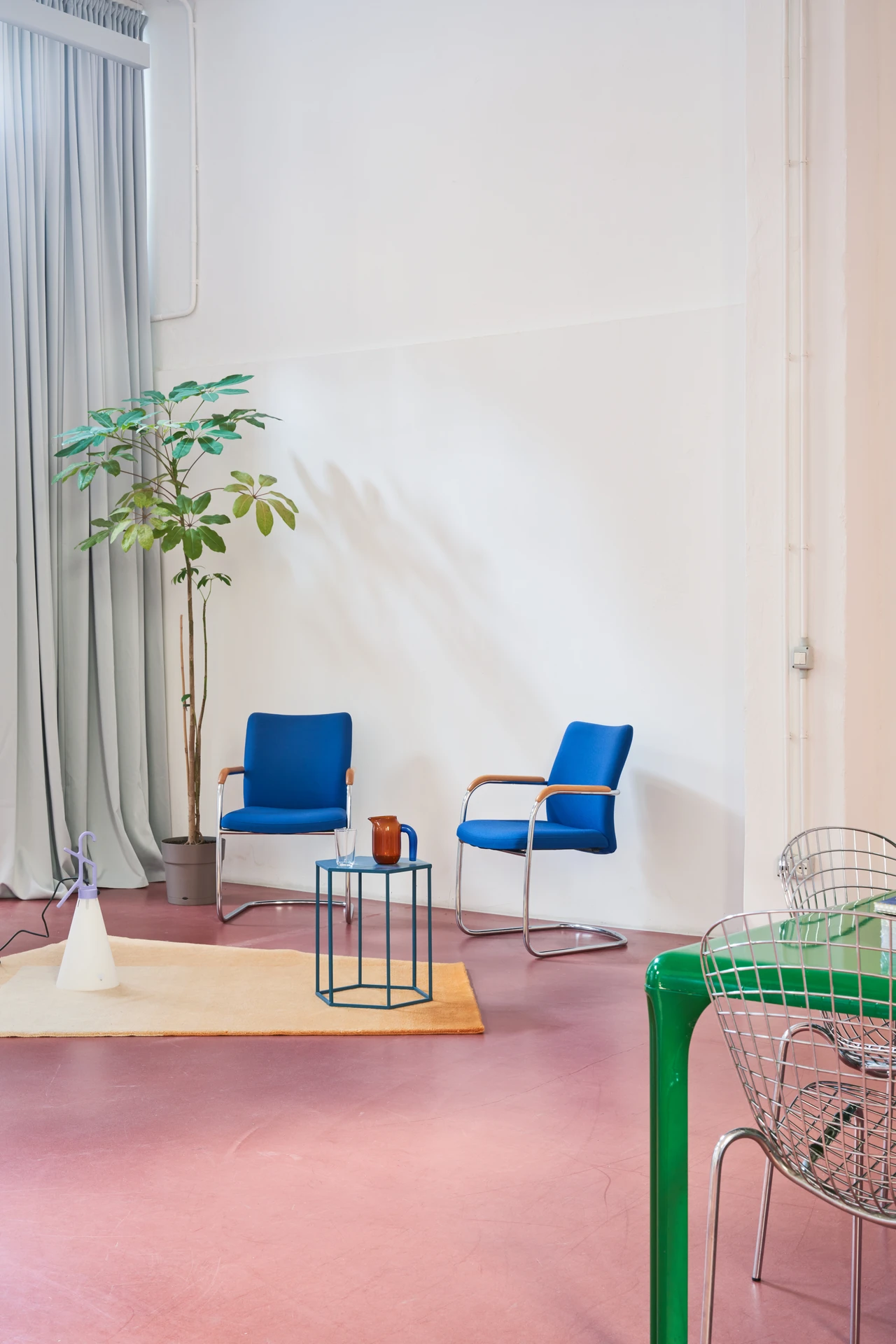
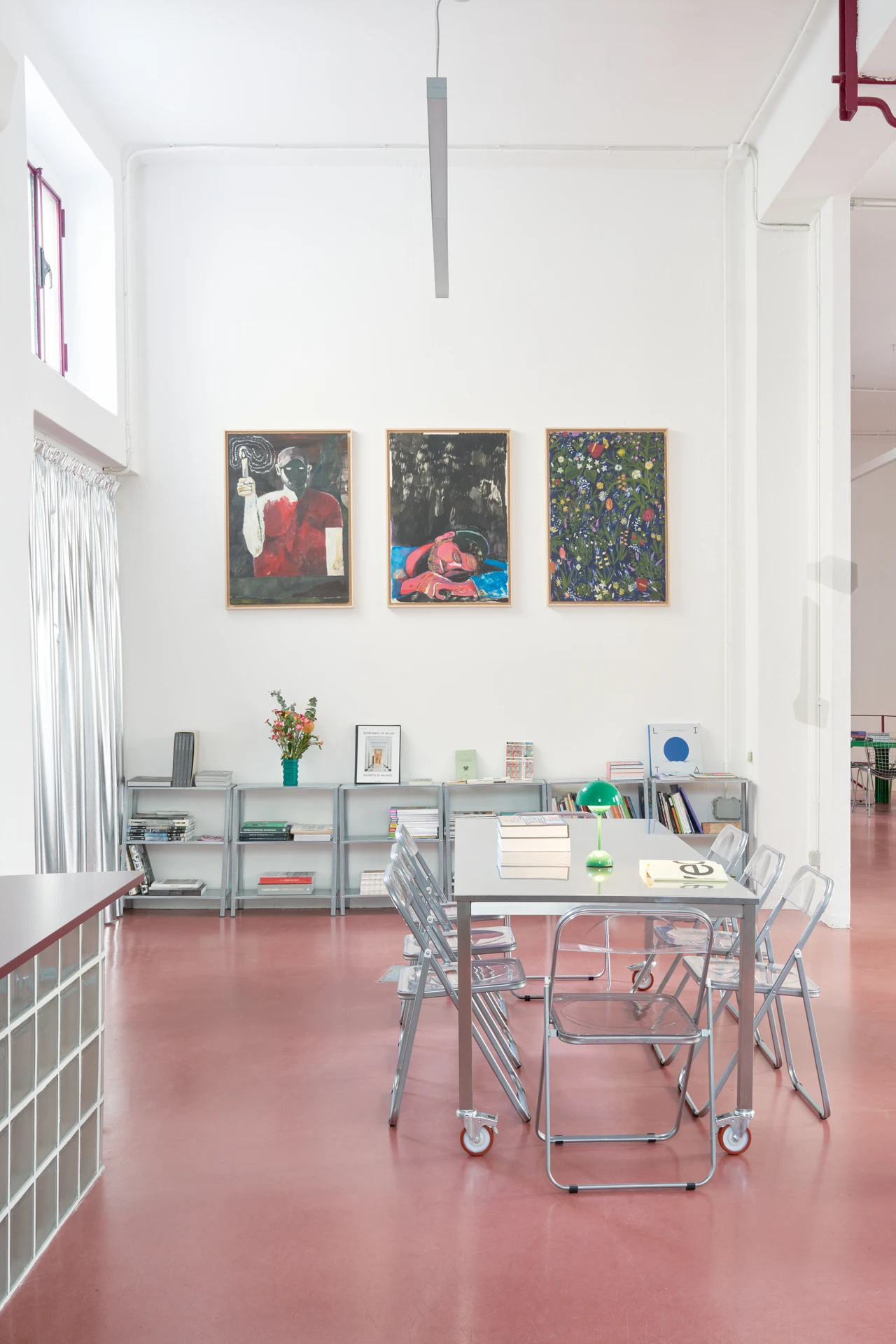
In Milan, rooms are usually asked to behave: to be offices, galleries, studios, always one thing at a time. Adatto Space prefers another script. On Viale Abruzzi, it opens to brands, artists, and neighbors with the same proposal: bring a project, and let the space adapt. Founded by architect Luca Attardi and architect Fabio Bovio (co-founders of @around_architects), photographer Filippo Ferrarese (@_ff_photo), creative director Enrico Mondelli (@themovi.club), and architects Giusi Paterno and Francesca Suaria (co-founders of @biro_studio), Adatto is designed as a flexible framework for work, culture, and everything in between.
Adatto Space

THE INTERVIEW Adatto Space was born with the idea that it has no fixed form, and that it can be rewritten by every project. When did you first realize that flexibility, as a concept, was becoming an identity? 


The project began with a desire, shared by the founders, to put different but complementary skills into a common pool: photography, architecture, design, and communication. Flexibility was the key that allowed a real synergy to form between these profiles. Once we understood that, we decided to make flexibility the defining trait of the space, and we took the time we needed to find a name that could hold all of it. We also believe that, today more than ever, it is necessary to make an effort to step outside our own perimeter and open ourselves to open ourselves to cross-pollination, staying flexible, staying open, and staying willing through conversations with people who are coming into our orbit.

Your space can be a coworking environment, a photo set, a venue for exhibitions, events, and installations. How do you decide what to host, and where is the thin line between curation and service? 


Adatto is a very young project, and its direction is still taking shape, primarily through conversations with the people who are approaching our reality. We compare notes weekly on possibilities and evaluate proposals together as they arrive. To sustain the project economically, we offer services to brands and agencies that need a container, and we place these alongside cultural activities where Adatto becomes both curator and vehicle for the project. This is what is happening, and will continue to happen, with the exhibitions and community events planned for this year. For cultural programming, an added value is the network of relationships each of our practices brings. It allows us to collaborate with specific professional figures for every project, without pretending we already possess all of those skills in-house. We all live in different parts of the city, so we are discovering Viale Abruzzi month by month. It certainly has an active cultural and social landscape, perhaps even a little too elitist. We know we are operating inside a historic context, but we are not the only ones proposing something new. We are also building collaborations with other local initiatives in the neighborhood, with the aim of generating a positive impact. Our hope is to differentiate ourselves and establish Adatto as an open, welcoming space for young projects and professionals in the cultural and creative sector. 


The project is a fusion of different practices, from creative direction to architecture, interiors, and photography. When skills add up, friction often appears too. What is the "good friction" that has made you better?


The good friction that improves us is constant and daily, and we call it dialogue—or simply, a constructive back-and-forth. That exchange was the seed of Adatto before Adatto even existed. However complementary our practices may be, we move at different project speeds. In photography and in creative direction, you often work with short- or midterm horizons. In architecture and design, you are often asked to hold a long-term vision. That difference has influenced us, and improved us, especially in the moments when we have worked on a joint project.
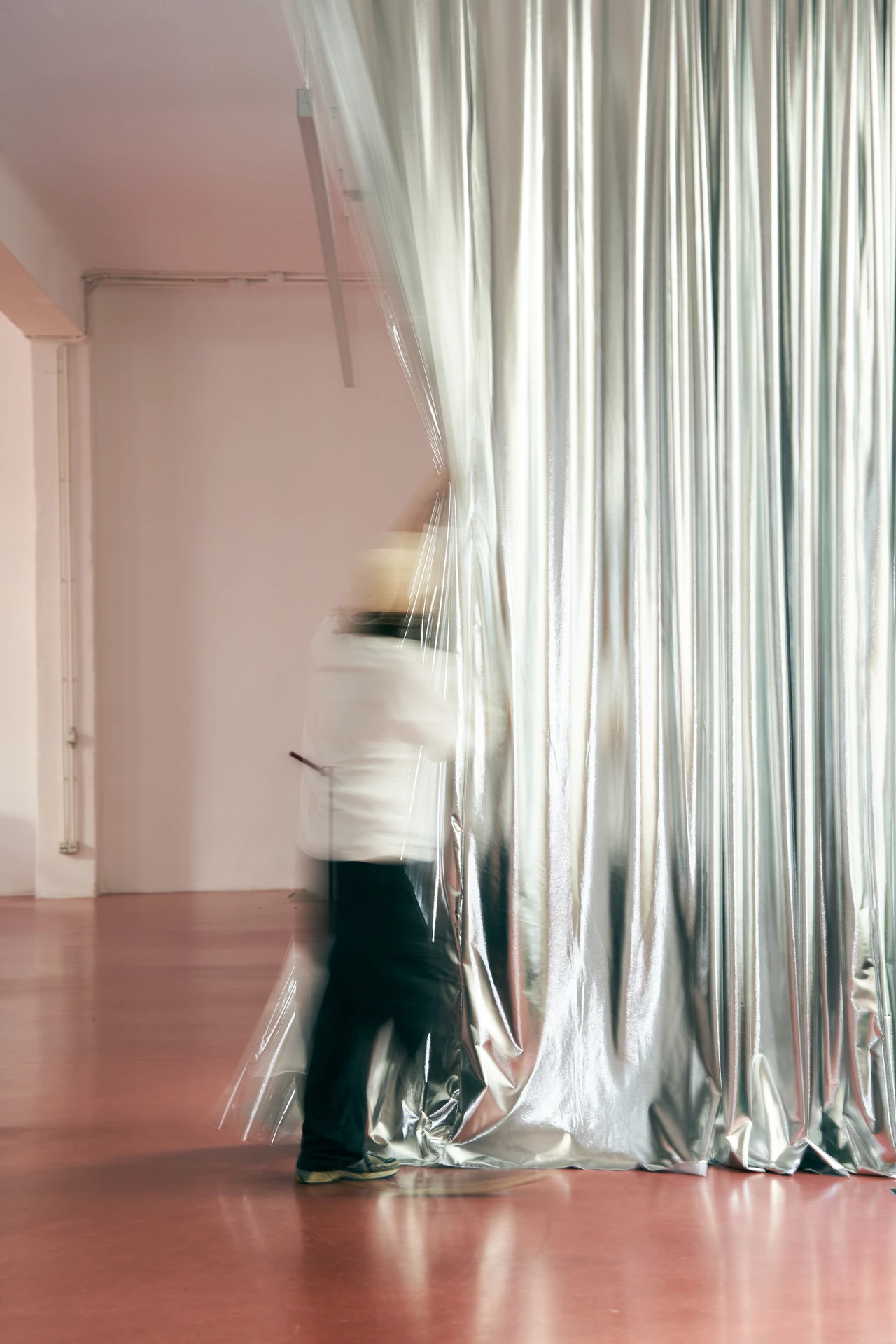
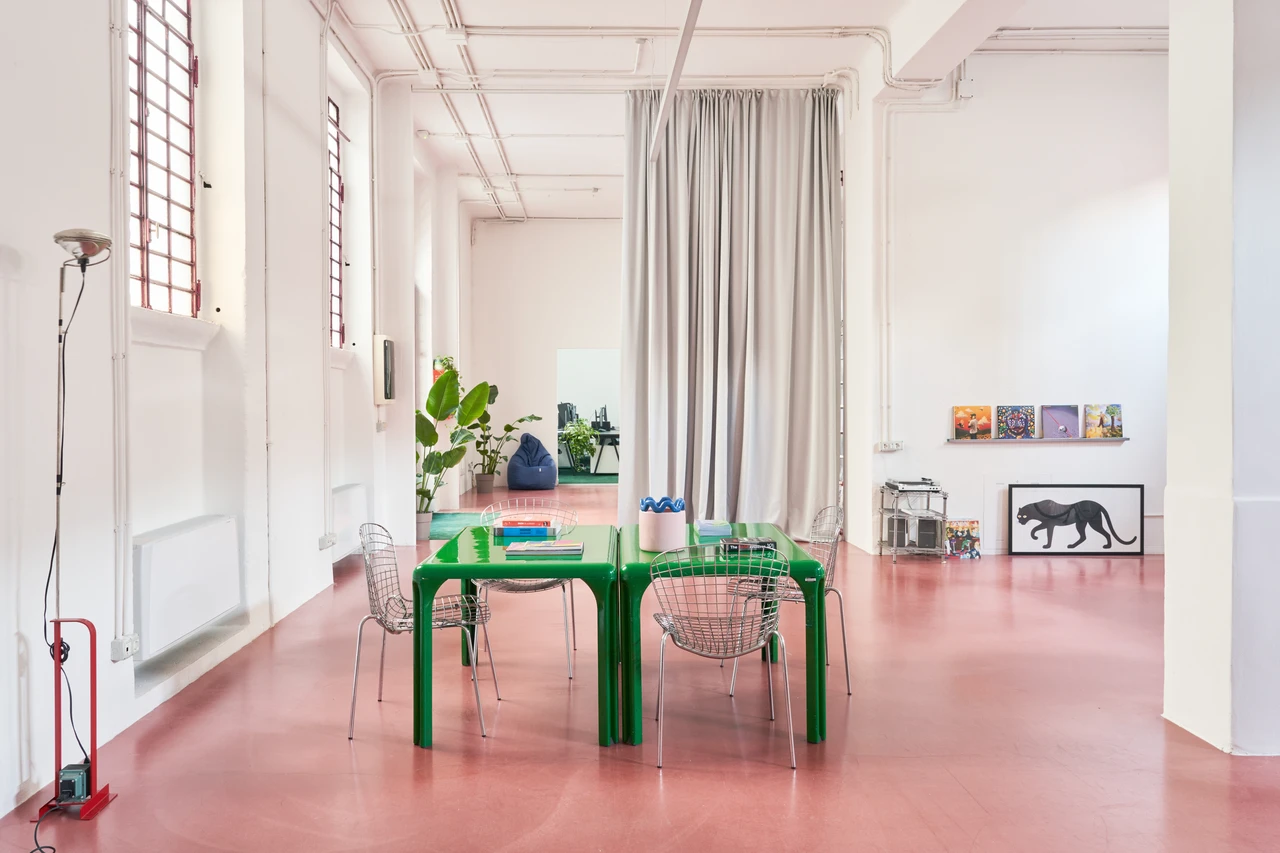
You offer different sizes of space, from a more compact format to an extended one with a basement. How much does the scale of a place affect the quality of what happens inside, and how do you avoid turning scale into a budget-only issue? Scale obviously affects the number of possibilities available to us. As we said at the beginning, flexibility is part of our identity. The challenge we face is staying faithful to that idea, and finding the right compromises to guarantee quality, on a case-by-case basis. In general, we try to build the event, the experience, and anything else that happens inside our space together with the people who promote it, design it, and imagine it. Living in the space every day, we have learned the strengths and peculiarities of each room. For that reason, we never take for granted that the ideal solution for every project is the the largest possible footprint. Independent looks for new voices and unexpected perspectives. If you had to name an unwritten rule of Adatto Space, one that protects creative energy without turning it into exclusivity, what would it be? The rule is the most obvious one, and also the one that is most often forgotten: to talk, to listen, to believe in exchange. Every project and every practice carries a vision, a sensitivity, a story, and a contribution. Even if time and resources mean we cannot host a project every single day at Adatto, and we will therefore have to make choices, we never exclude anyone from that first moment of conversation. As we said at the start, for us, flexibility also means openness, and openness begins with dialogue.
Subscribe to our free newsletter!