CHARLOTTE PERRIAND’S MOUNTAIN EYE COMES TO MILAN FOR OLYMPIC SEASON

CHARLOTTE PERRIAND’S MOUNTAIN EYE COMES TO MILAN FOR OLYMPIC SEASON

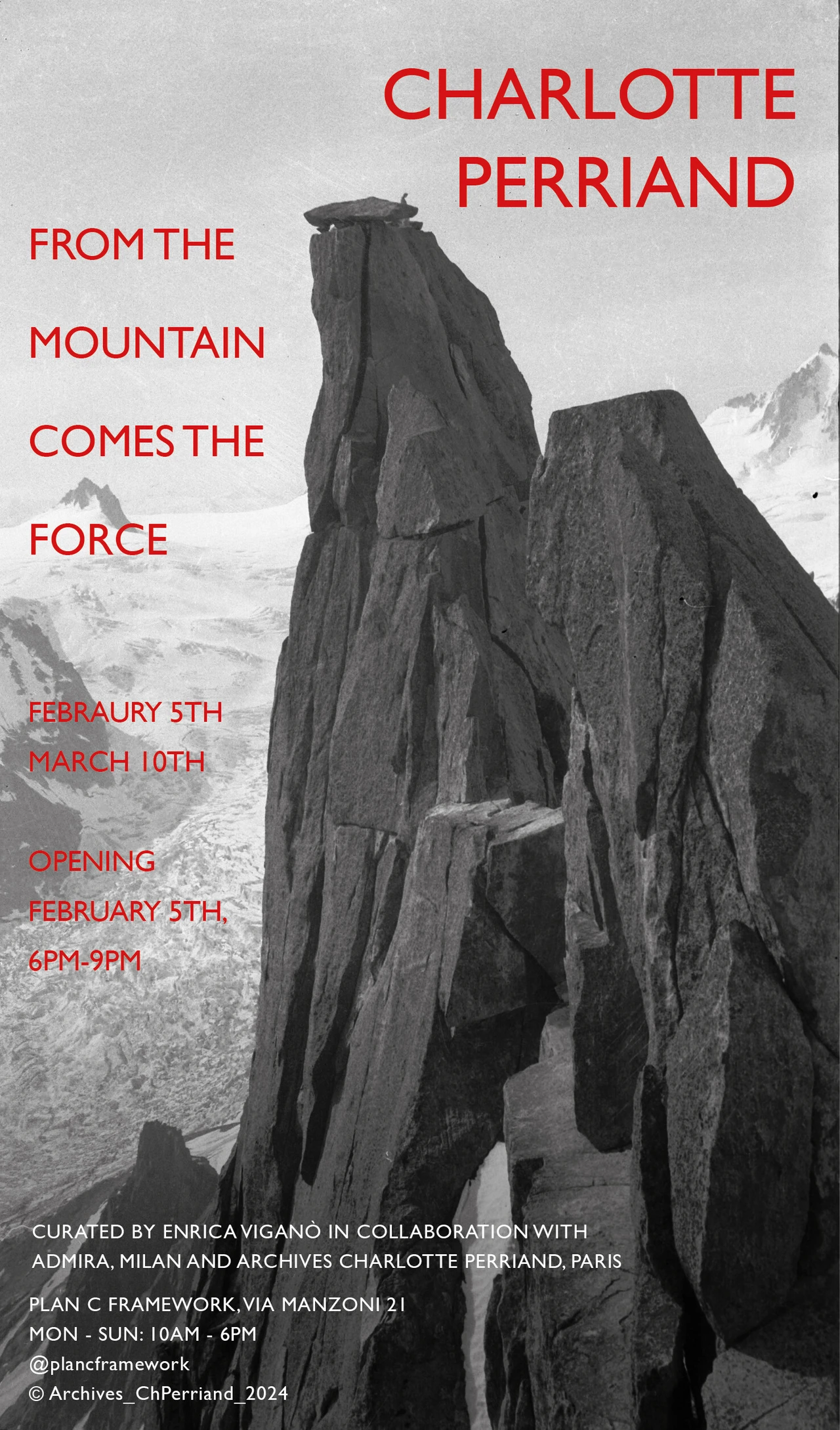
Plan C Framework hosts a Charlotte Perriand photo-focused show, tracing how the mountains shaped her design ethics, from found objects to alpine living.

ALESSIA CALIENDO

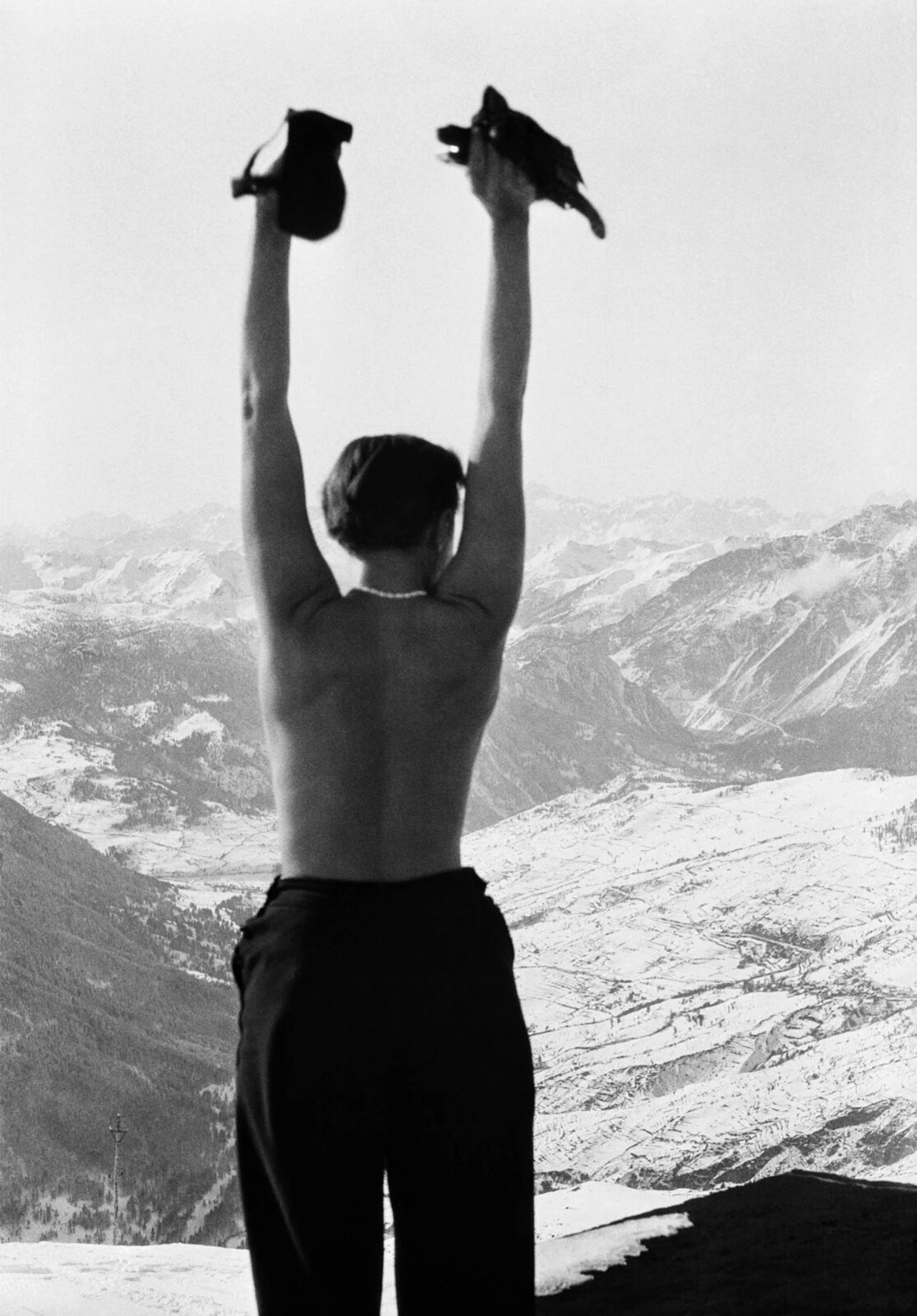
Charlotte Perriand (Paris, 1903 to Paris, 1999) never treated the mountains as a postcard. With Savoyard roots and the instincts of an experienced climber, she read altitude as a barometer of physical steadiness and mental clarity, a place where comfort is earned, not staged. 

“Charlotte Perriand: Dalla Montagna La Forza” opens in Milan on the very day the Milano Cortina 2026 begin. Coincidence, perhaps. Also a reminder: before sport becomes spectacle, it is a relationship with gravity, weather, and the stubborn facts of terrain. A discipline. A test.


A FASHION ADDRESS THAT BEHAVES LIKE AN EXHIBITION SPACE


Plan C Framework sits on Via Manzoni, the kind of street where luxury usually means polish, speed, and the soft pressure to keep moving. Inside, the architecture does something smarter. The space, tied to Plan C, was conceived as a flexible framework, modular and reconfigurable, built to host pop-ups, events, and exhibitions, not as an afterthought but as a structural promise. 

The concept was developed with APRIL and (AB)NORMAL, and it reads like a contemporary interior manifesto: two levels connected by a lacquered red spiral staircase that doubles as shelving for a reading room, with a lower floor designed to host cultural programming. Even the shop-in-shop presence of Aliita participates in the idea of a curated ecosystem, rather than a single-brand monologue. 

This matters, because Perriand’s work is ultimately about how we live. Putting her photography into a place designed to change shape, rather than into a white cube that pretends neutrality, is an architectural choice with consequences.
THE CAMERA AS A DESIGN TOOL, NOT A SIDE HOBBY


The exhibition chooses the most revealing entrance into Perriand’s universe: her photographs. The premise is exacting and, frankly, brave. Instead of leaning on the familiar myth of the “female pioneer” who collaborated with Le Corbusier and Pierre Jeanneret, it shows a method, image after image, that turns looking into a form of building. 

At the Centre Pompidou, archival research has documented how she used photography alongside notes and sketches as a working instrument, to observe environments and the way people inhabit them, city or countryside. That practice starts early, after her training at the Union Centrale des Arts Décoratifs, and it never stops. 

Think of it as a wide-angle ethic. The lens isolates fragments, a hand on a railing, a rhythm of stones, the geometry of a bridge, then returns them to the project as evidence. The show leans into this process. It does not ask visitors to admire an icon. It asks them to watch a mind at work. Then it asks something harder: what, exactly, do we do with what we see?


ART BRUT, OBJECTS FOUND, AND THE EQUALITY OF FORMS


Among the most magnetic sequences are the objets trouvés, stones, bones, driftwood, gathered and then photographed with the dignity of sculpture. The organizers refer to this body of work as “Art Brut”, a useful label if we remember it is not about roughness for its own sake. It is about recognition. 

Perriand’s eye makes a simple claim: a natural fragment and an industrial structure can share the same formal harmony. In other hands, that might become a slogan. Here it becomes a design principle. It also explains why retrospectives such as the one at the Fondation Louis Vuitton have treated her output as a single language, where interiors, architecture, and visual culture cannot be cleanly separated. 

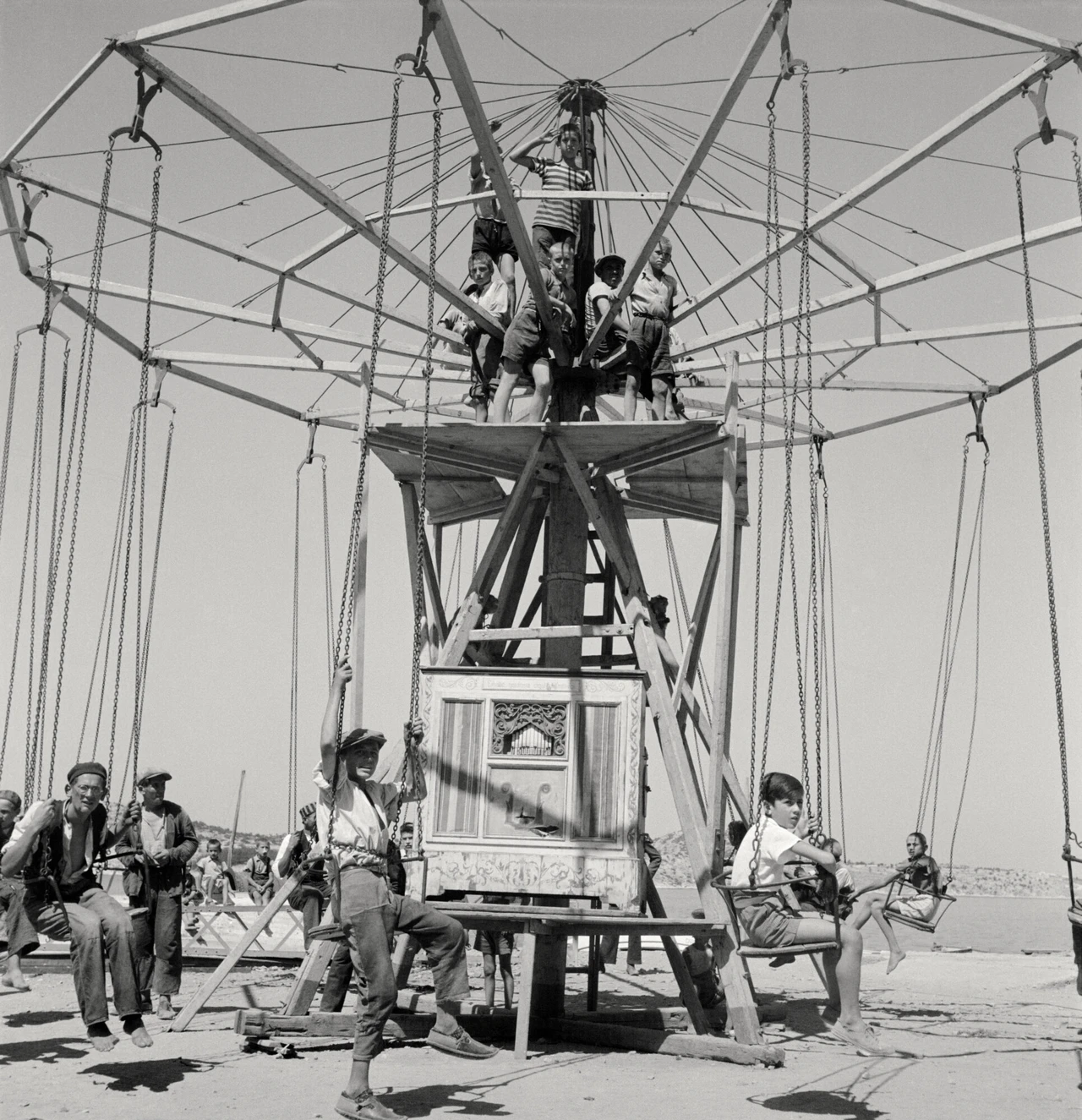
Croatie, 1937  © Archives ChPerriand 2024

FROM THE ALPINE REFUGE TO THE SKI RESORT, LIVING IN ALTITUDE AT FULL SCALE


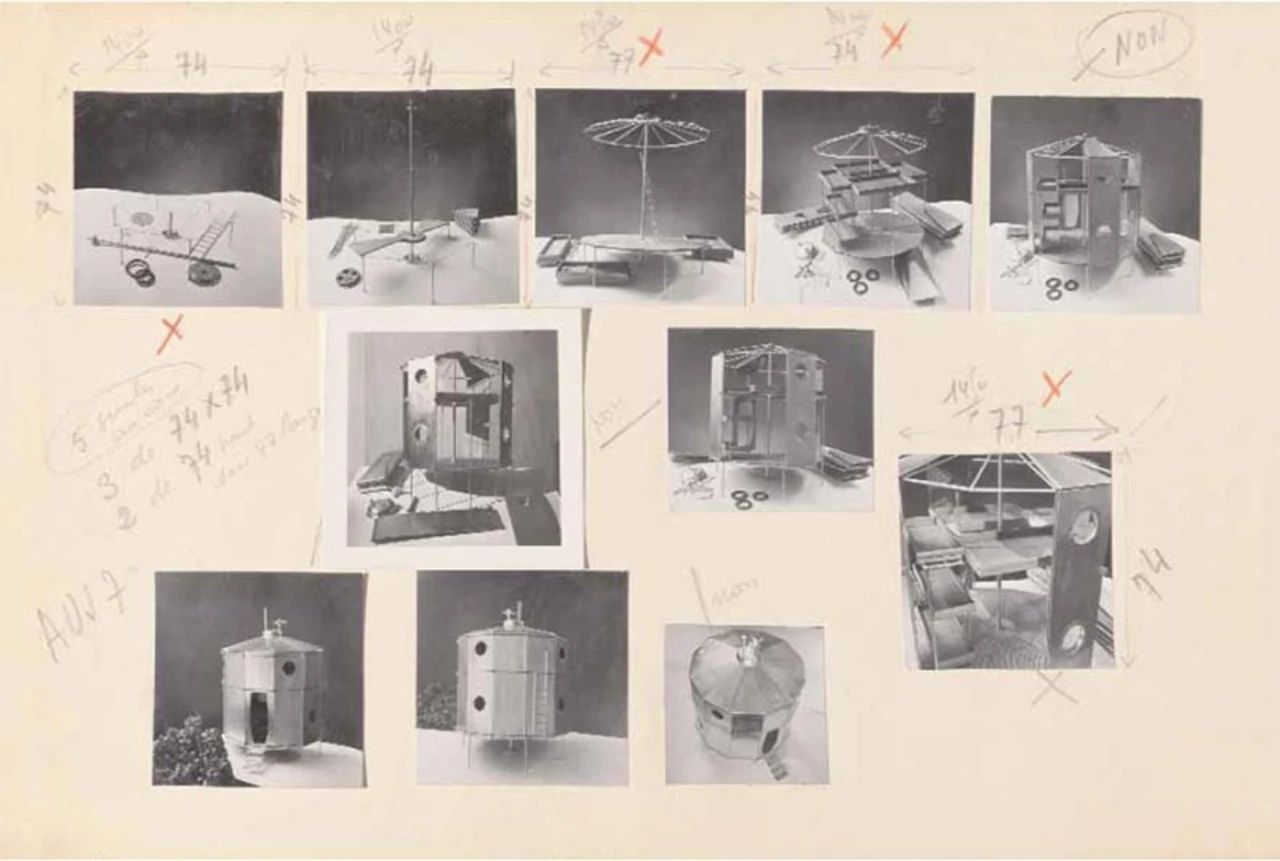
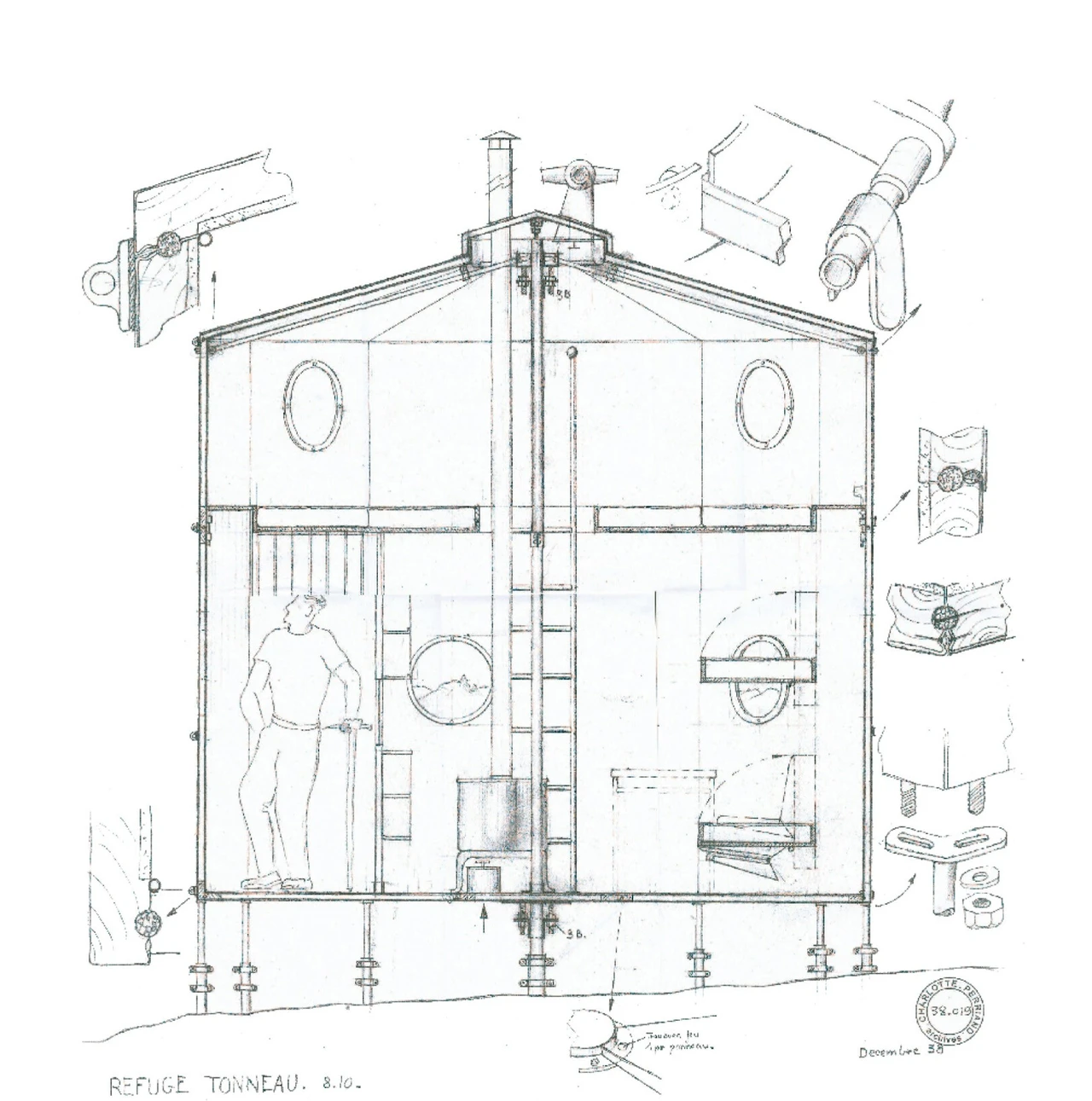
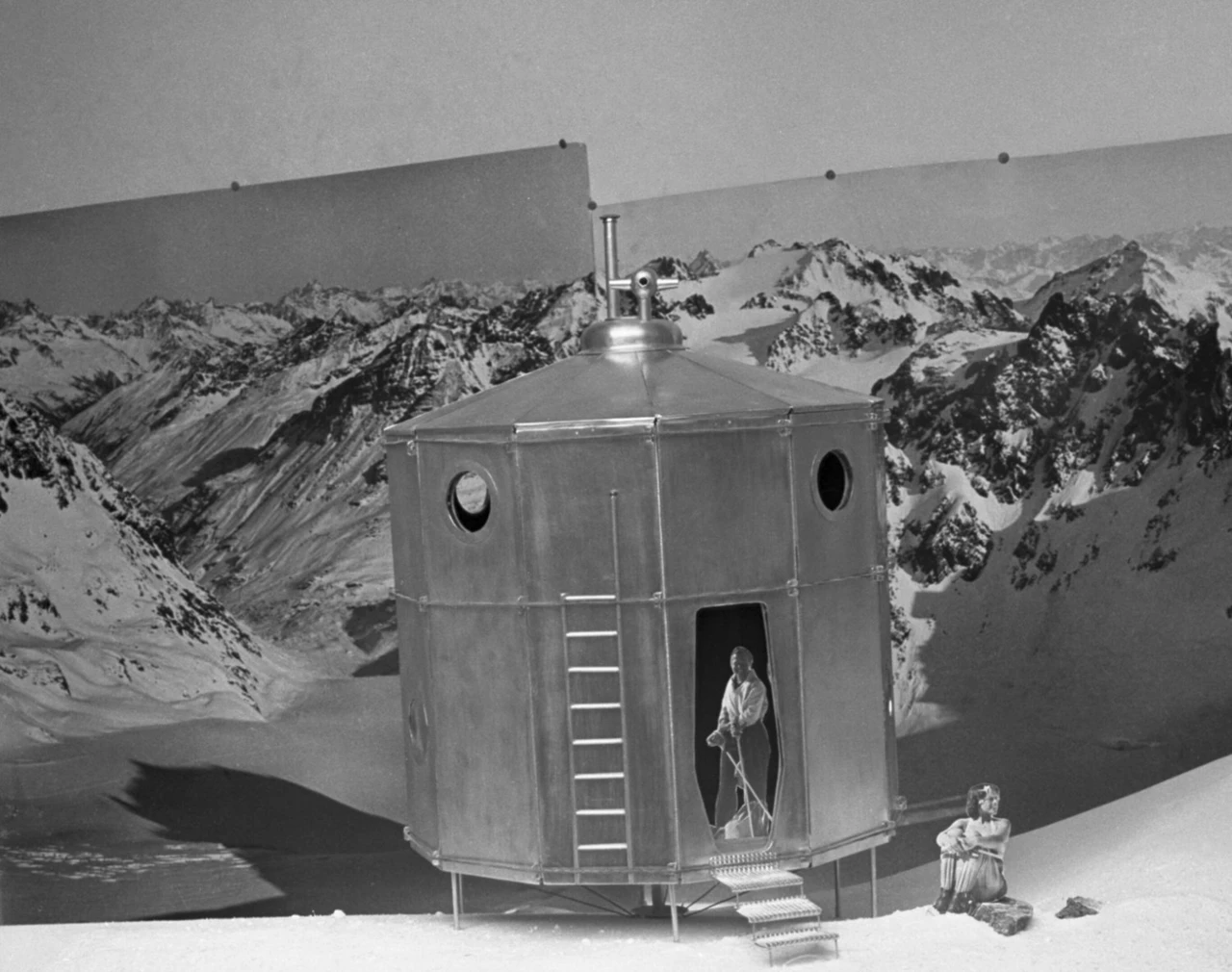
Perriand’s mountain chapter is often romanticized, but the materials insist on something else: the mountain as a working condition. Before the large scales of planning and resort urbanism, she measures the alpine problem through the minimal unit, shelter. The Refuge Tonneau (1938), devised with Pierre Jeanneret, is described as a prefabricated and transportable device, conceived to be assembled in a mountain environment. That detail matters more than any legend. Prefabrication here is not an aesthetic, it is a strategy for survival and access. If a refuge can be carried, mounted, and endure, then modernity stops being a style and becomes a discipline.


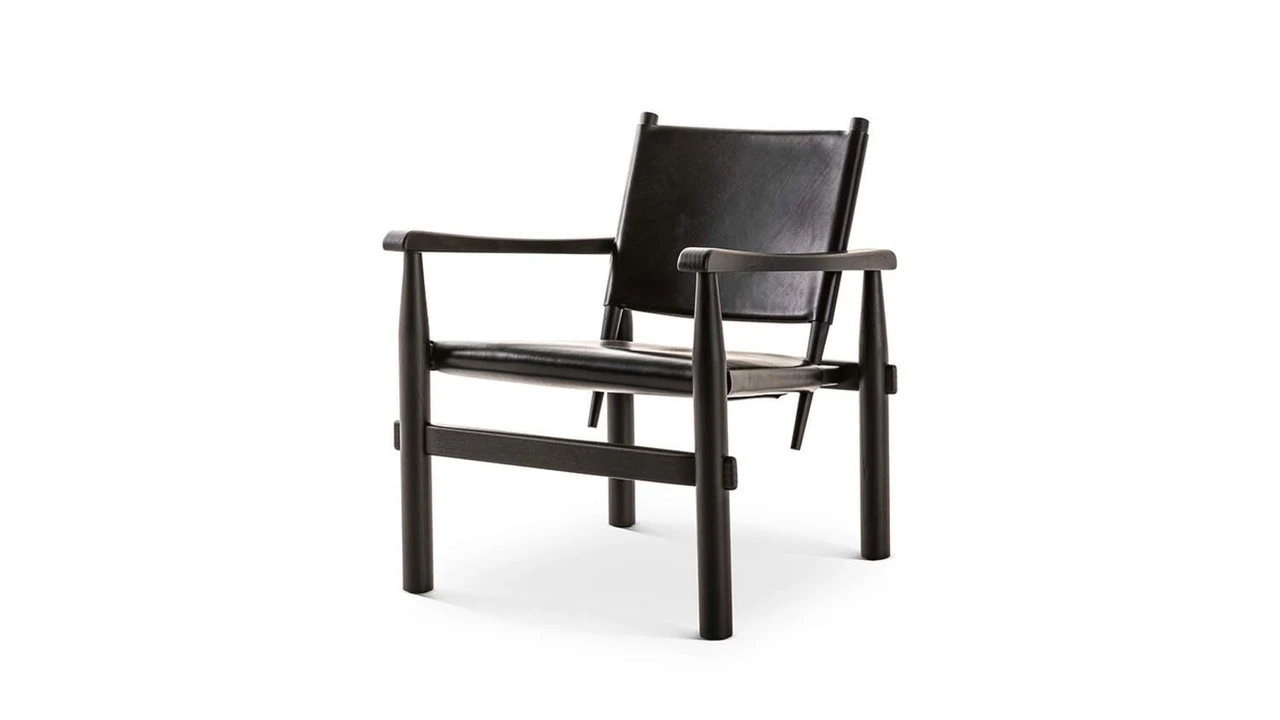
From there, the mountain expands into domestic method. The Méribel experience is framed as a sober modernism, measured, unshowy. A chalet that does not need theatrical effects to be eloquent, because its eloquence is in restraint, in the calibration between interior comfort and the reality outside. In parallel, the Doron Hotel armchair (1947) was created for Méribel Les Allues and the Hôtel Doron, one of the first chalet hotels in the area. The implication is precise and revealing: in Perriand’s practice, furniture is never a separate chapter. It is architecture’s smallest unit, the human scale through which a building becomes livable.

Charlotte Perriand’s Refuge Tonneau

 The Doron Hotel armchair (1947). Image courtesy of Cassina.

Then comes the system, Les Arcs. Here the mountain turns into urbanism, and the question becomes political as well as spatial. Your materials underline an approach where buildings follow the terrain’s curves, seeking a discreet insertion that respects the site’s morphology. It is an architectural ethic of alignment rather than domination. But the most telling moves are not only external. They are domestic, almost intimate. Solutions attributed to Perriand in the relationship between inside and outside, balconies, extended seating, devices for light and view, kitchens open onto the living room, treat the apartment as a habitable observatory. The landscape is not a picture hung on the wall. It is a component of the room.


This is where “Dalla Montagna La Forza” becomes more than an exhibition about images. The photographs are not just documentation, they are the beginning of architecture, the way a mind learns to read structure in a stone, rhythm in a bridge, proportion in what looks accidental.


And because the exhibition opens as Milan prepares to receive the Winter Olympics, the timing sharpens the edge. Winter tourism has always carried a contradiction, access on one side, pressure on landscapes on the other. The materials you provided bring this tension into focus, density and accessibility versus quality of housing, sun, view, individuality. It is not a nostalgic problem. It is a live one. 

 © Archives Ch Perriand 2024

Subscribe to our free newsletter!