SOFTENED TAILORING AS A LANGUAGE OF CHARACTER
Dolce & Gabbana has long understood that menswear is psychological. A shoulder can signal certainty, defensive posture, or sheer performance. For Fall/Winter 2026, tailoring becomes autobiography, less rulebook and more self-definition.
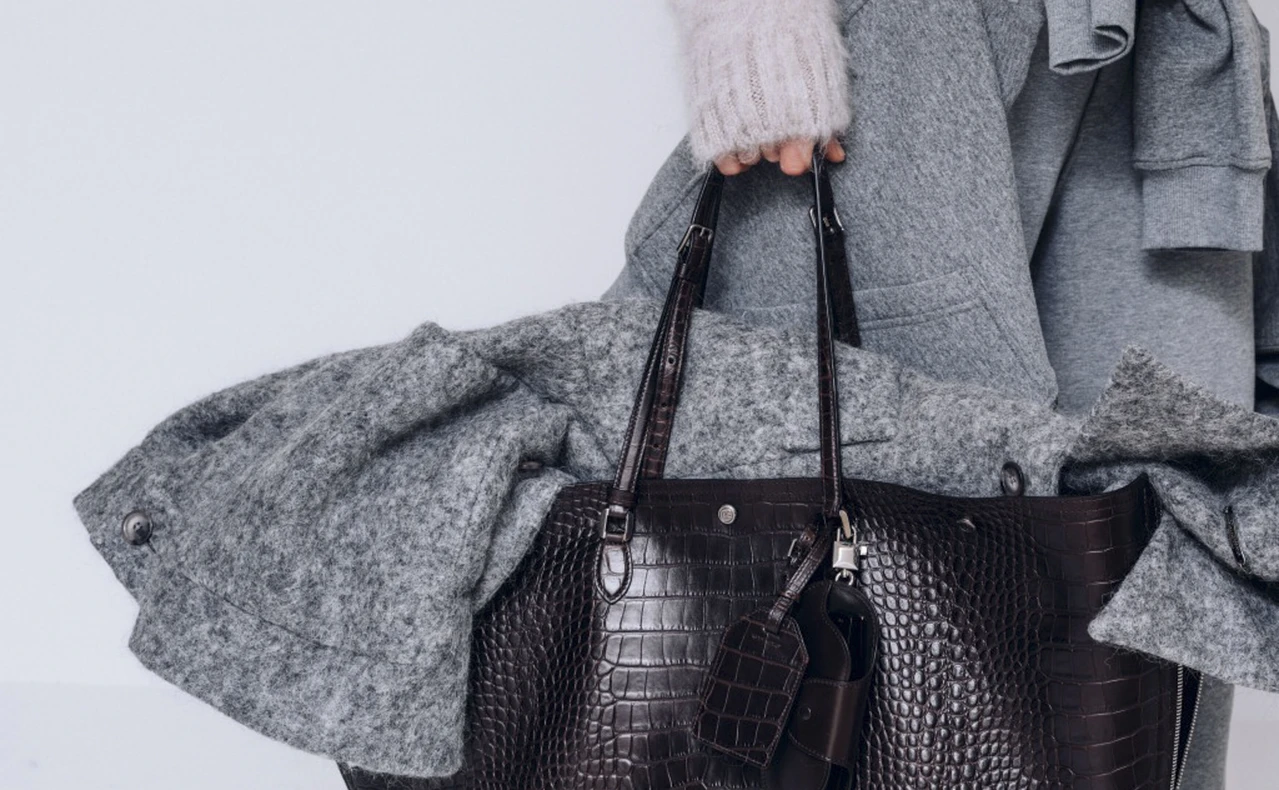
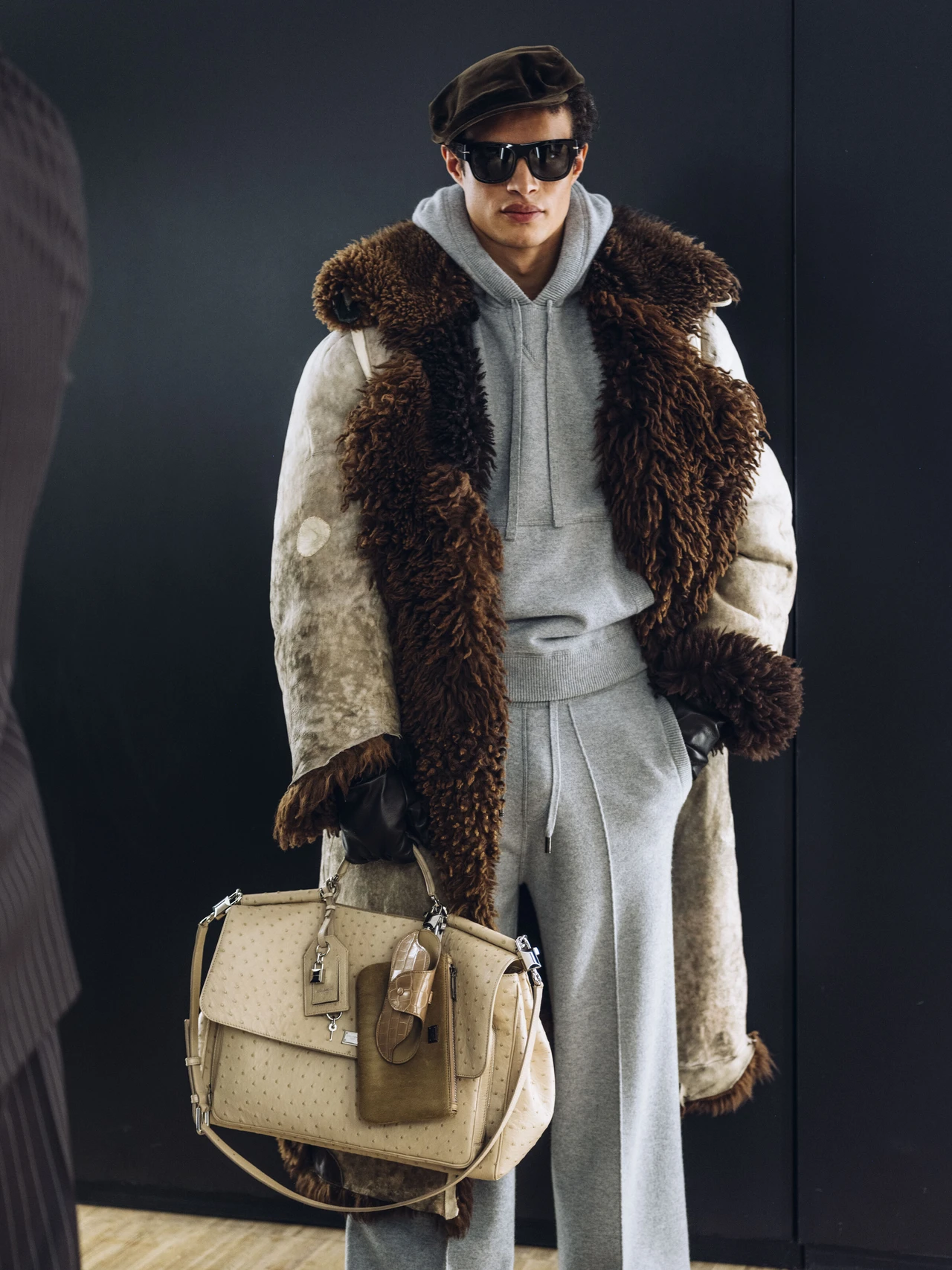
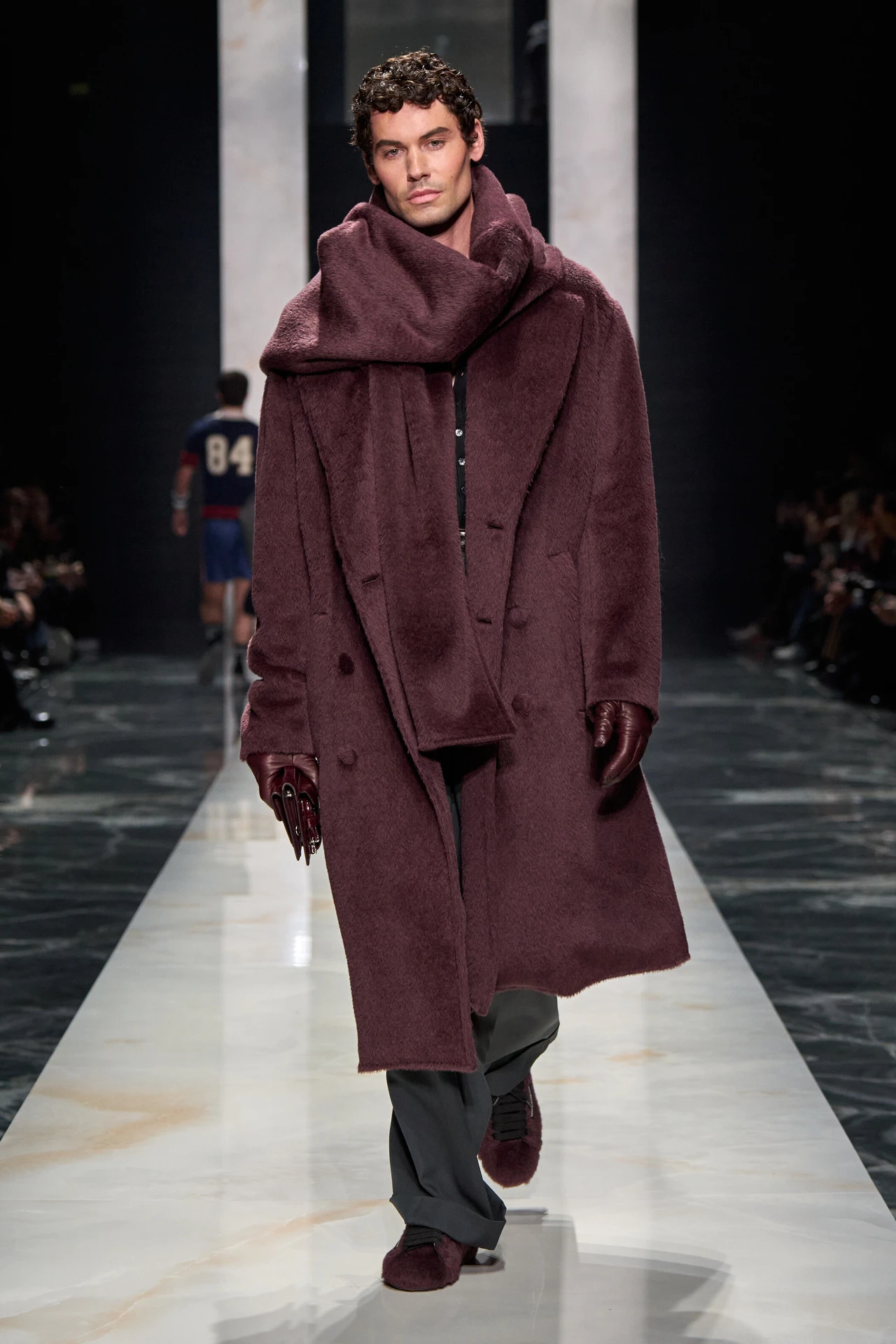
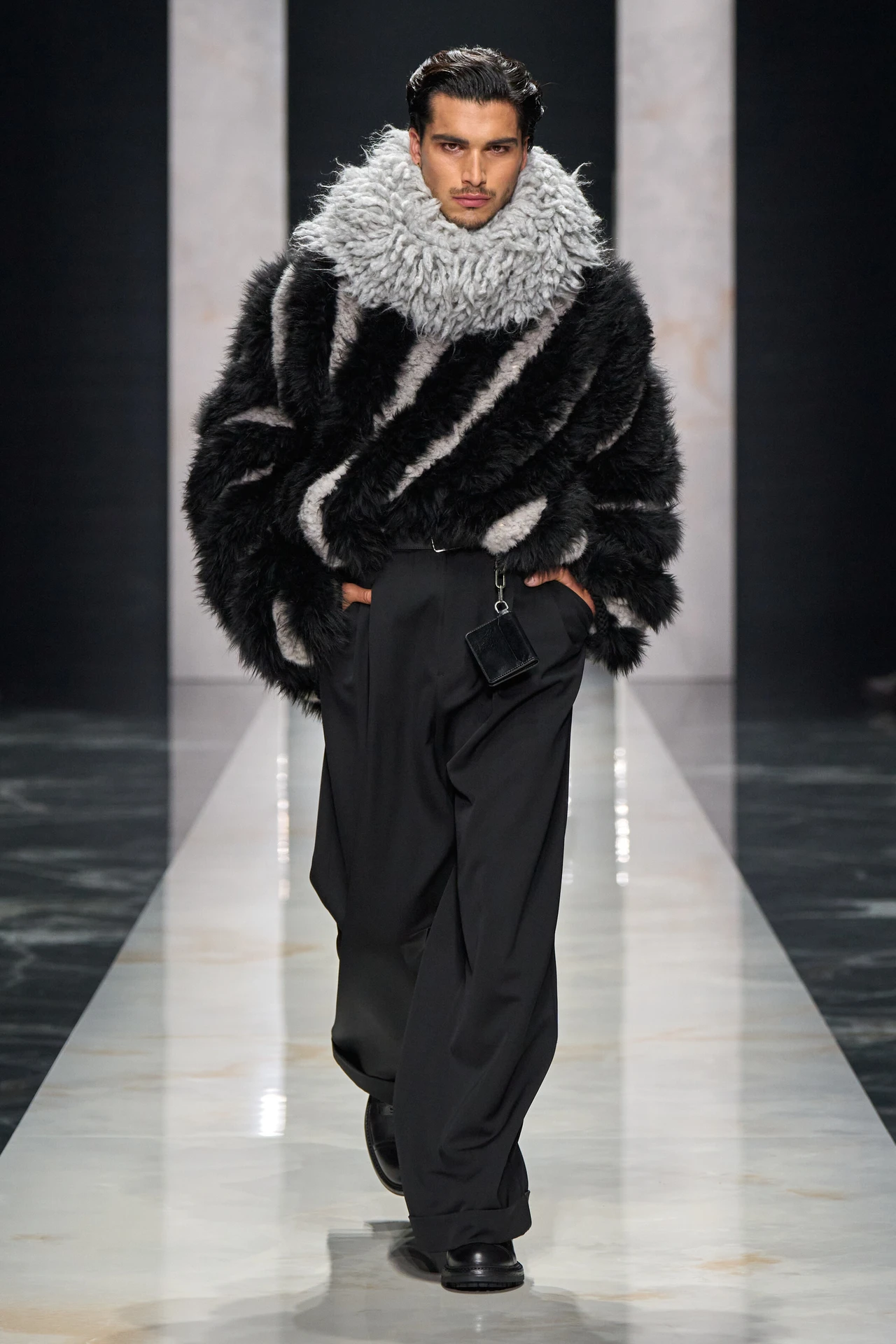
Silhouettes skew generous, often oversized without aggression. Coats are long and protective. Knitwear comes big, almost architectural, as if warmth has to look substantial to feel real. The collection plays the high-low game the house knows well: a velvet blazer with denim, a military jacket over the kind of jeans that ruled early-2000s red carpets. It is nostalgia, yes, but it is also anthropology. Men return to the looks that once made them feel visible.
Texture carries much of the narrative, from fantasy-scale furs to dense knits, plus a wink of leopard that reads like dressing-gown glamour. In a season when so much menswear is optimized for the feed, Dolce & Gabbana pushes the opposite idea. These clothes want proximity.
SPORT, CEREMONY, AND THE QUESTION OF ADORNMENT
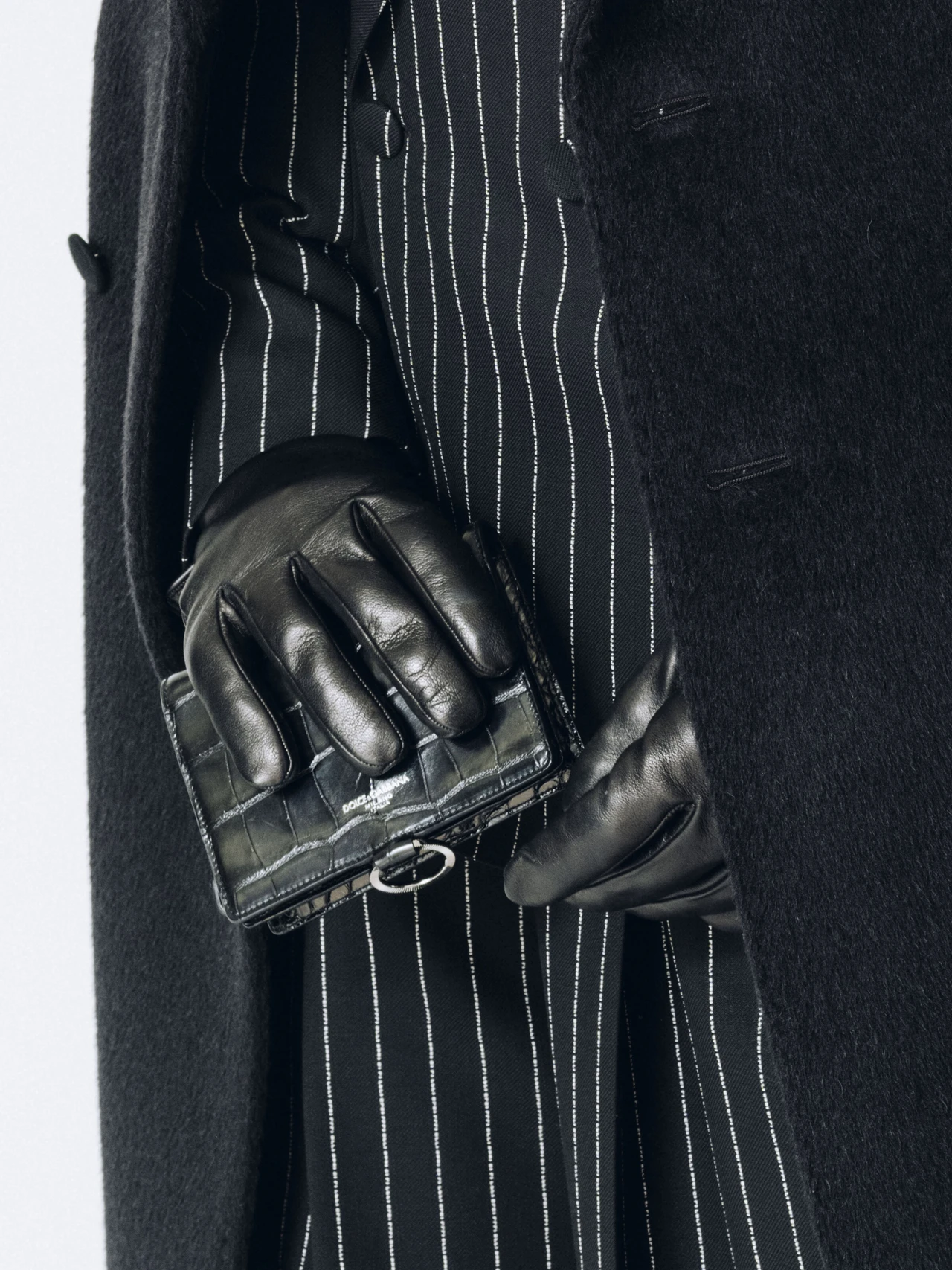
One of the most telling moves in "The Portrait of Man" is its refusal to keep categories separate. Formalwear borrows the authority of uniforms, and sporty references interrupt the solemnity. The styling suggests a man who moves between roles without changing his inner voice. It echoes the show’s insistence on plural masculine identities rather than a single template.
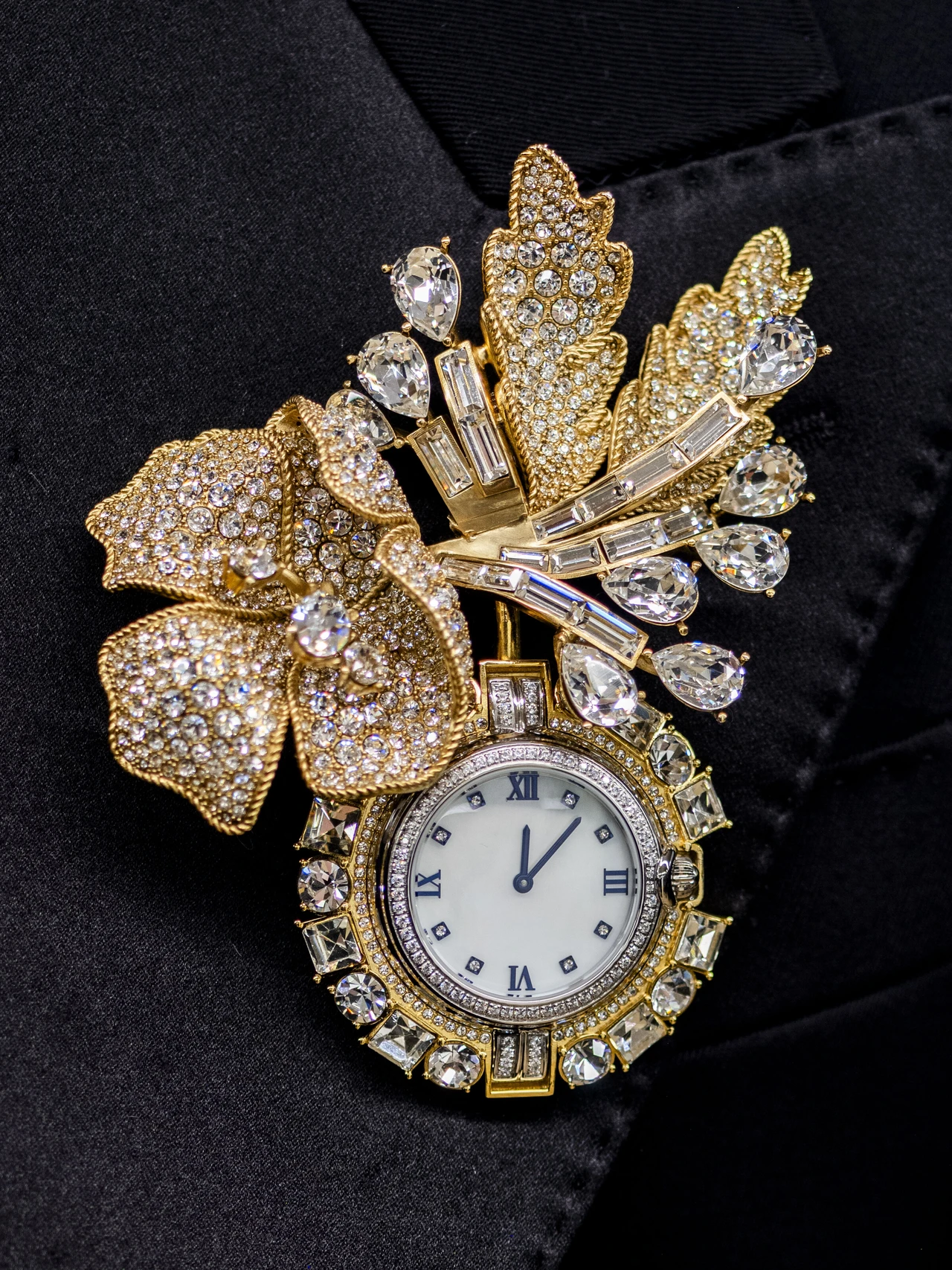
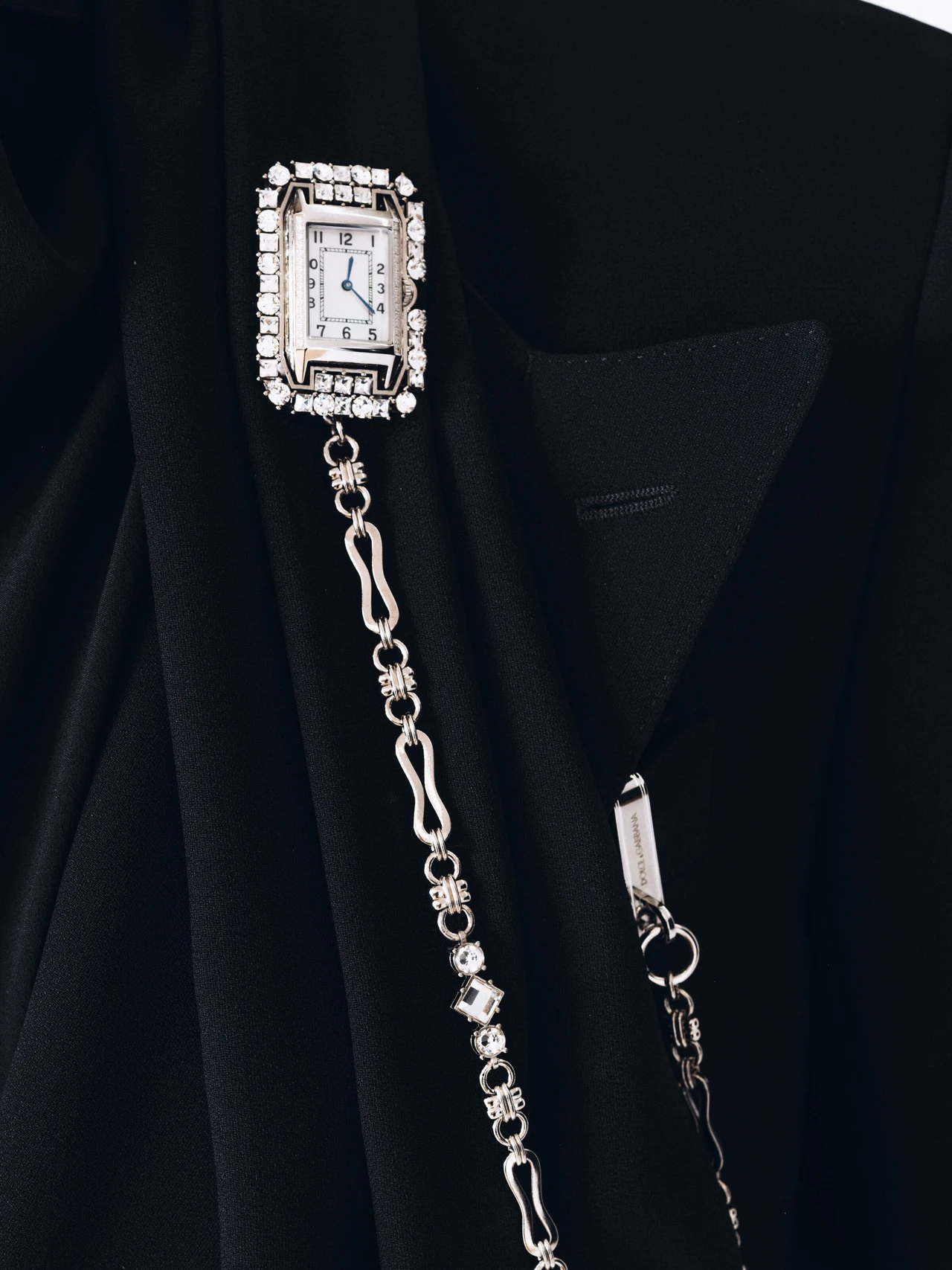
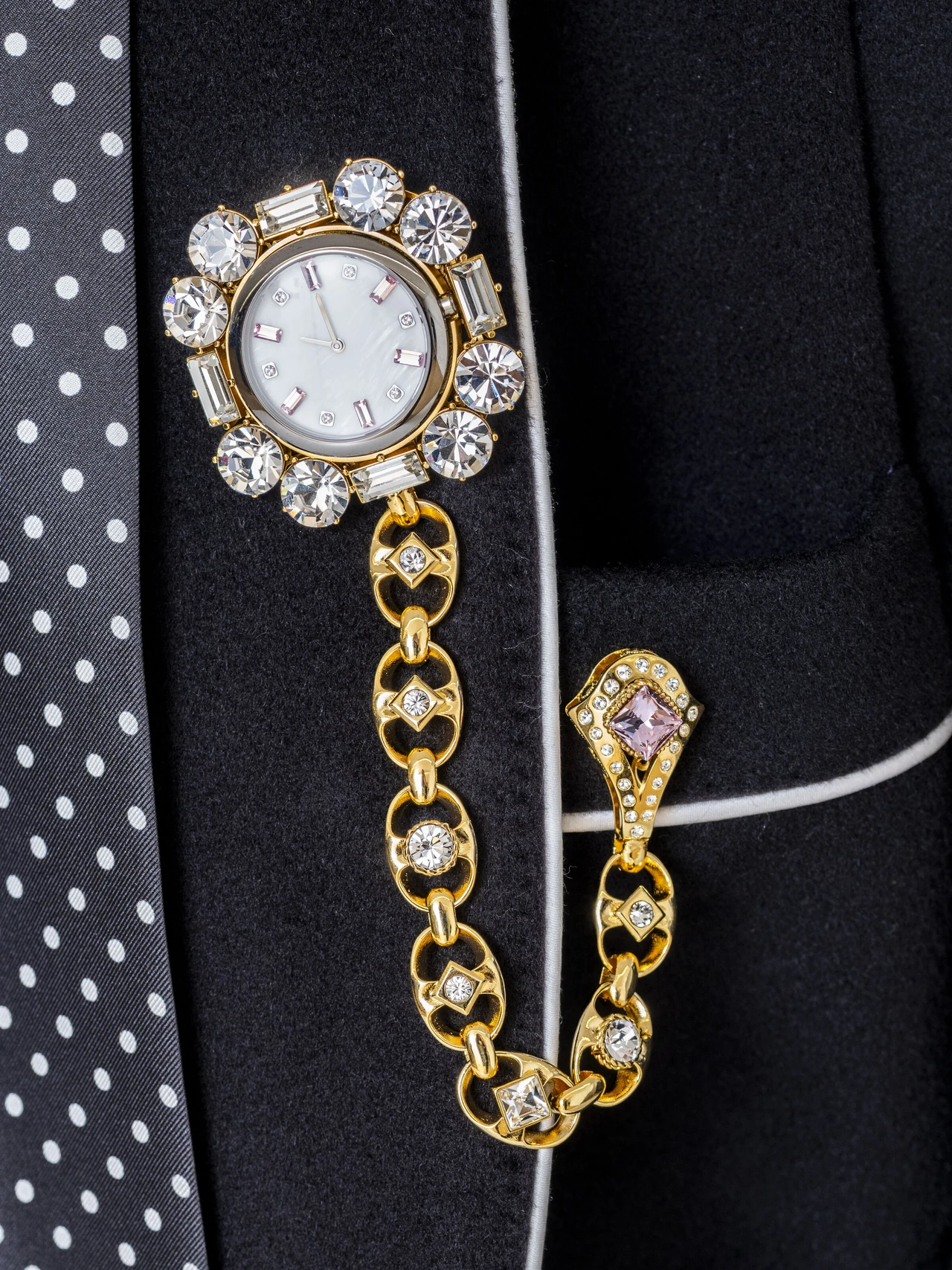
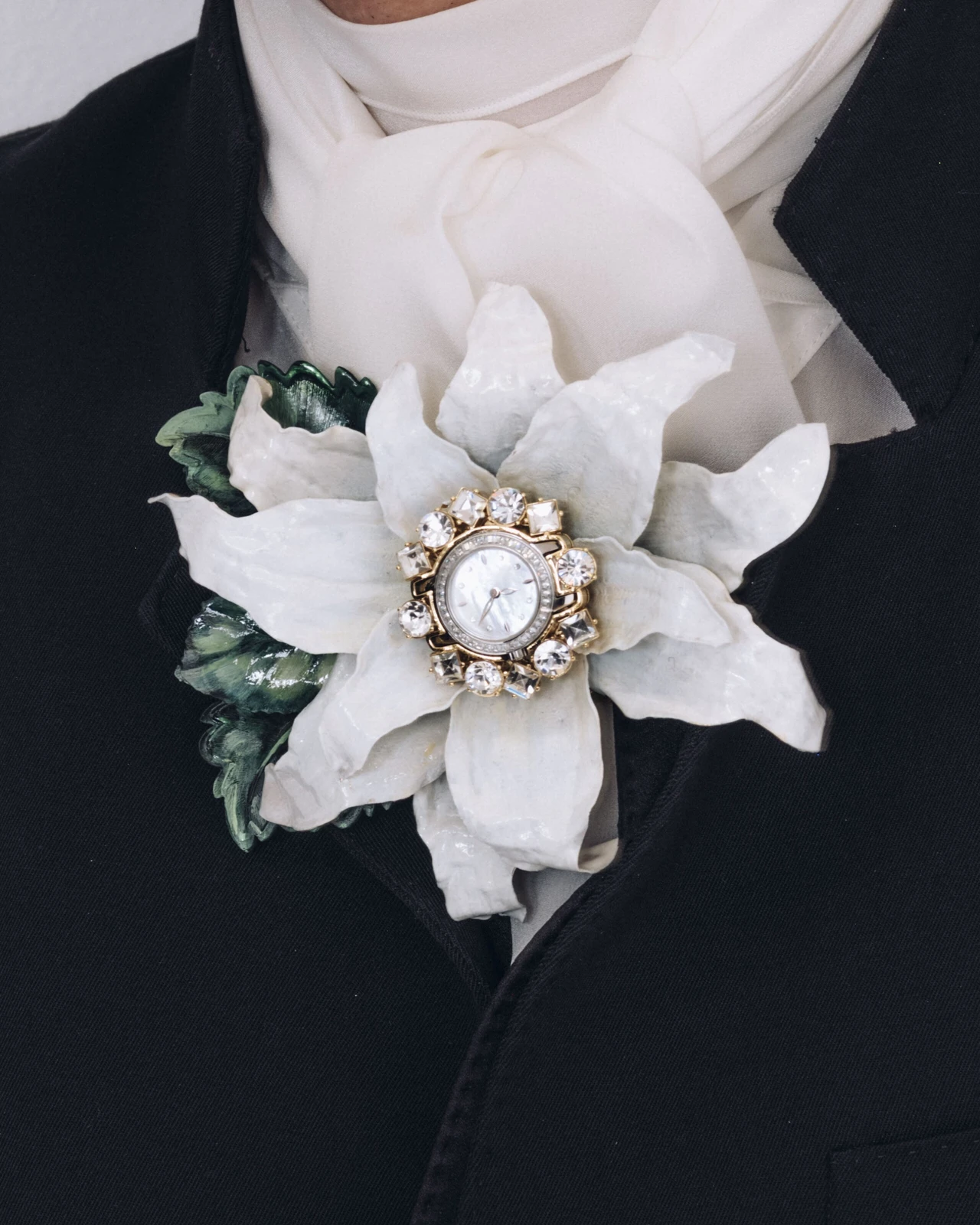
And then there’s men’s jewelry. Adornment is often framed as trend, rebellion, or marketing. Here it reads more intimate, closer to a signature than an accessory. A chain, a pendant, a brooch: small choices, but often the most personal decisions a man makes in public. Clothes cover you. Jewelry declares you.