Milan Women’s Fashion Week Fall/Winter 2026–27 closes with a new awareness: Italian fashion is moving through a phase of consolidation in which culture and industry once again converge.
The economic picture remains demanding. 2025 ended with turnover down 2.6% compared with 2024. After eight consecutive quarters of decline, the third quarter marked a reversal in the “core” sectors, followed by a slowdown in the subsequent months. In the first ten months of the year, overall exports fell by 4.1%, with a sharper contraction toward non-EU markets. Even the trade balance, while still positive, narrowed.
Within this scenario unfolded a week of 162 total appointments—54 physical runway shows, 8 digital, 73 presentations, and 27 events—that revealed a system acutely aware of its historical responsibility.
Behind 162 shows and events, there are signals of a new phase: less spectacle, more cultural weight, and an industry learning to grow without raising prices.
THE MAISONS AND THE CHANGE OF PACE
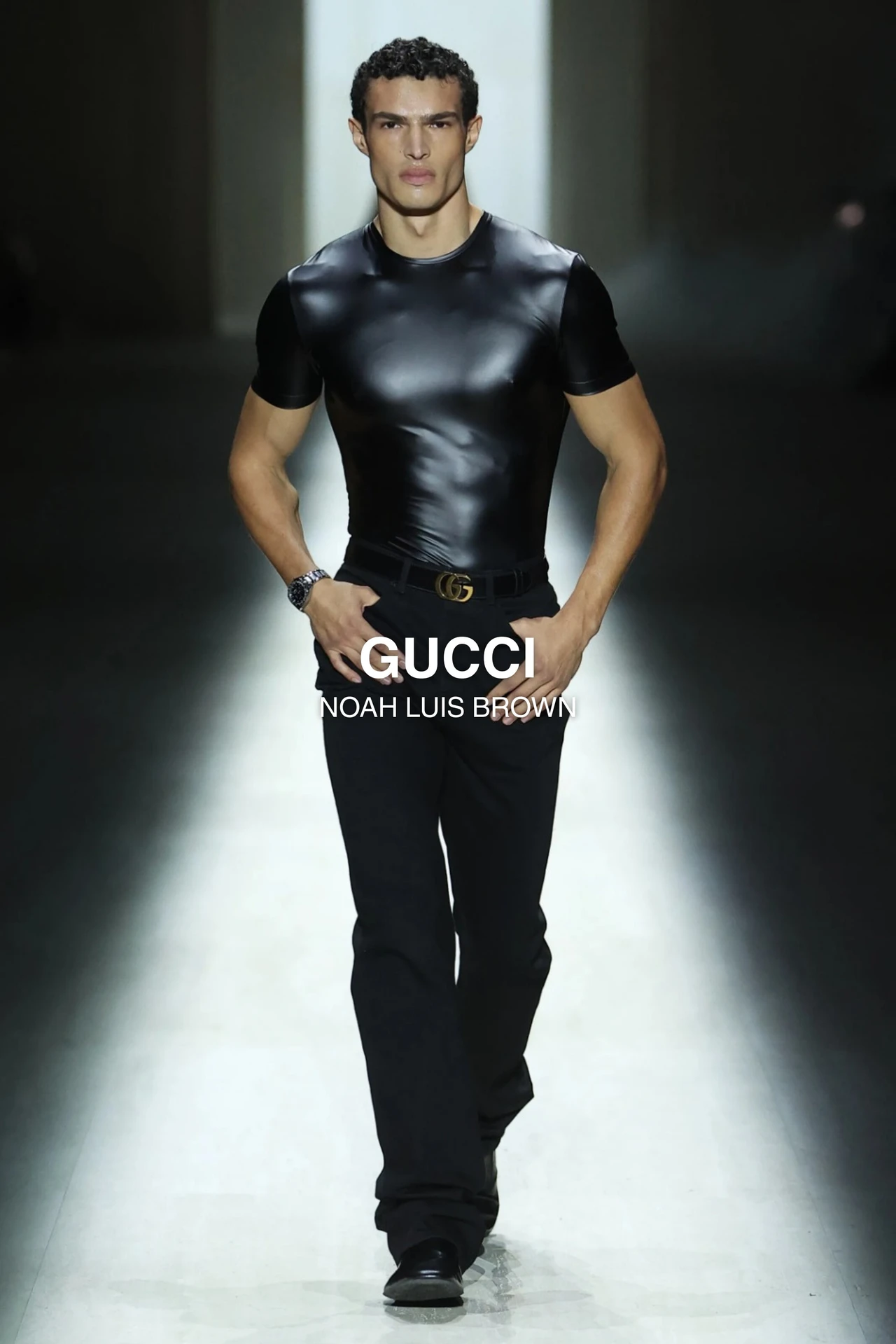
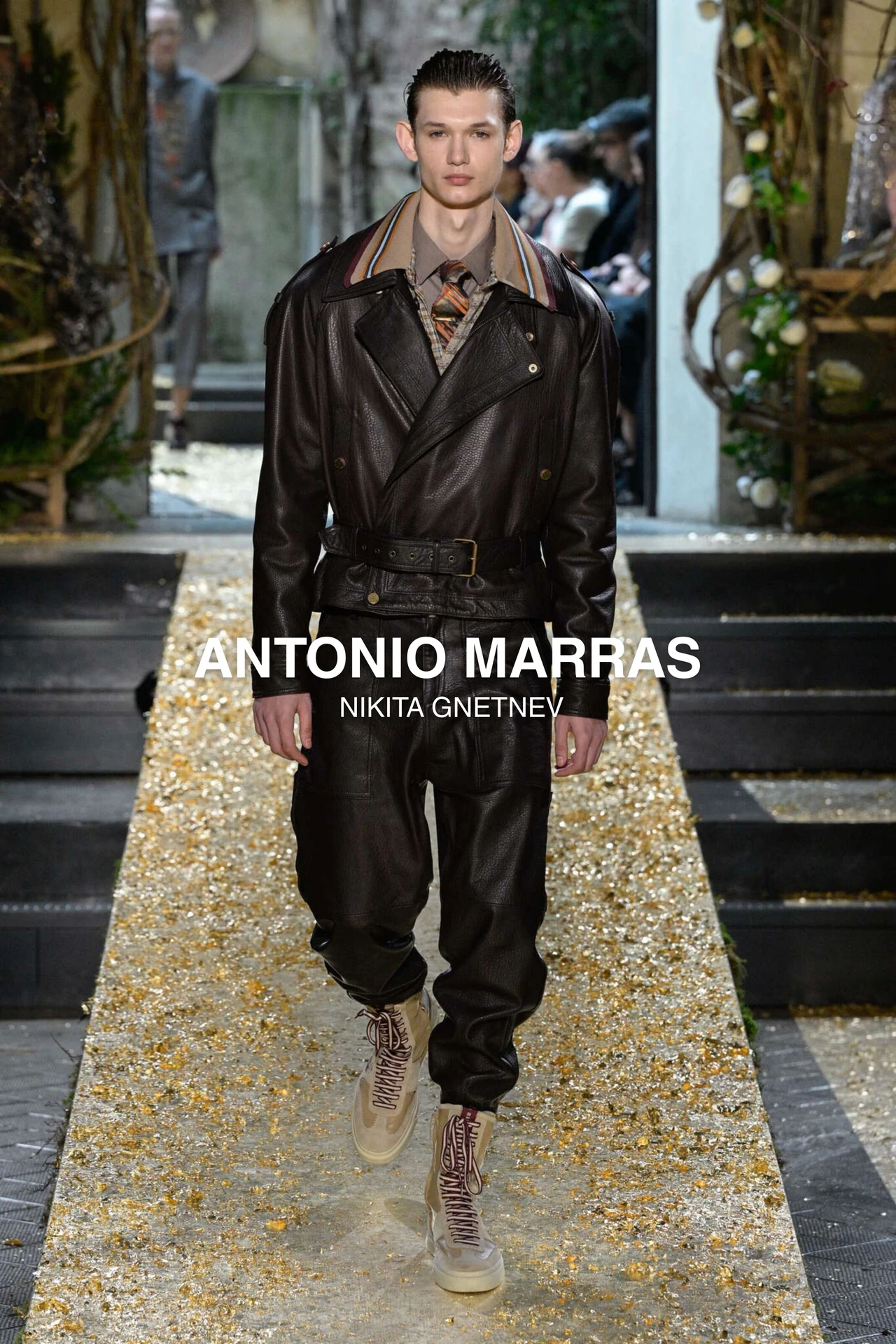
Debuts took the measure of the moment. Maria Grazia Chiuri at Fendi, Meryll Rogge at Marni, and Demna’s first show for Gucci were not simple creative handovers. They were repositioning operations in a context of stagnant industrial prices—textiles slightly down, apparel and footwear almost flat—where growth can no longer be entrusted to price increases.
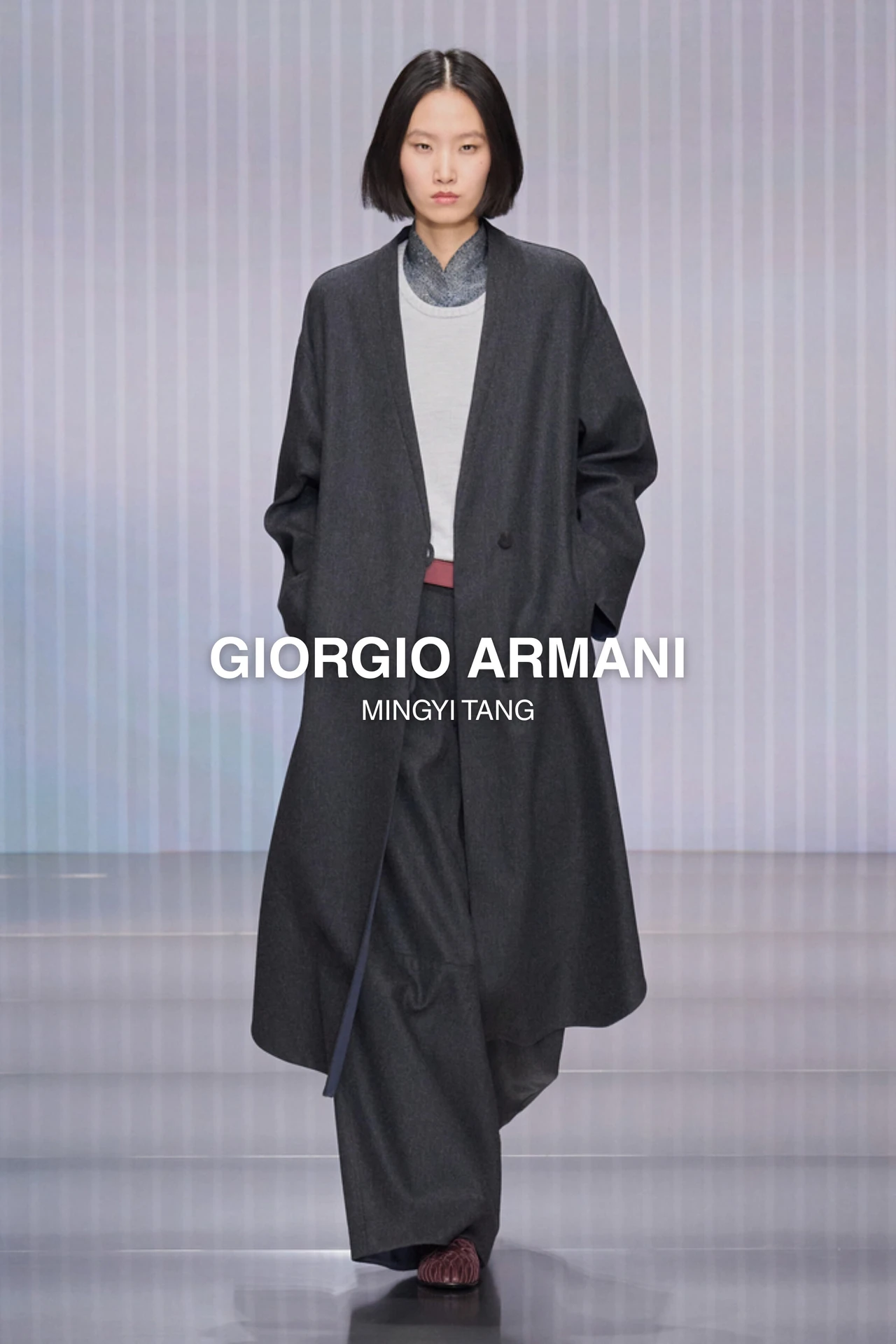
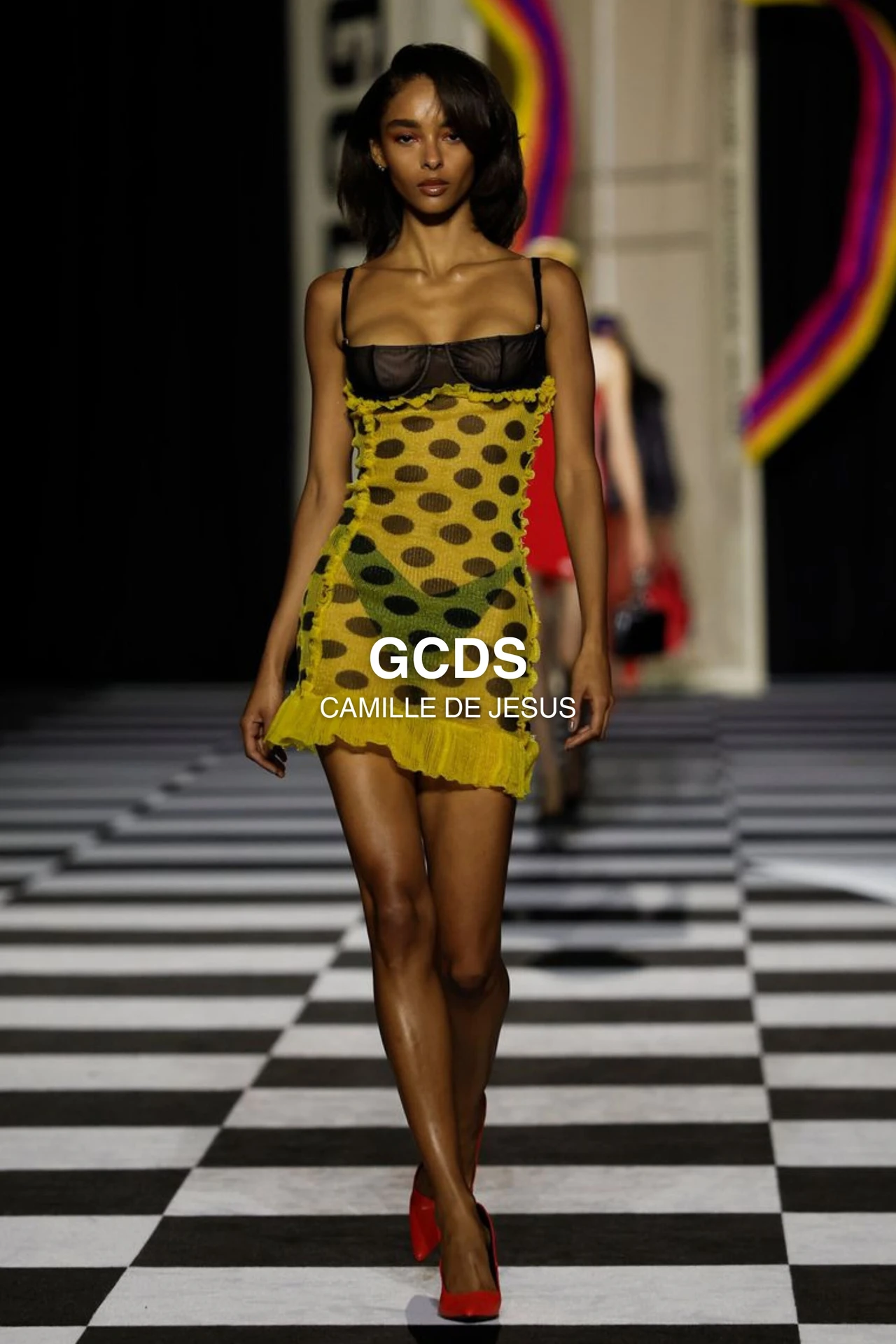
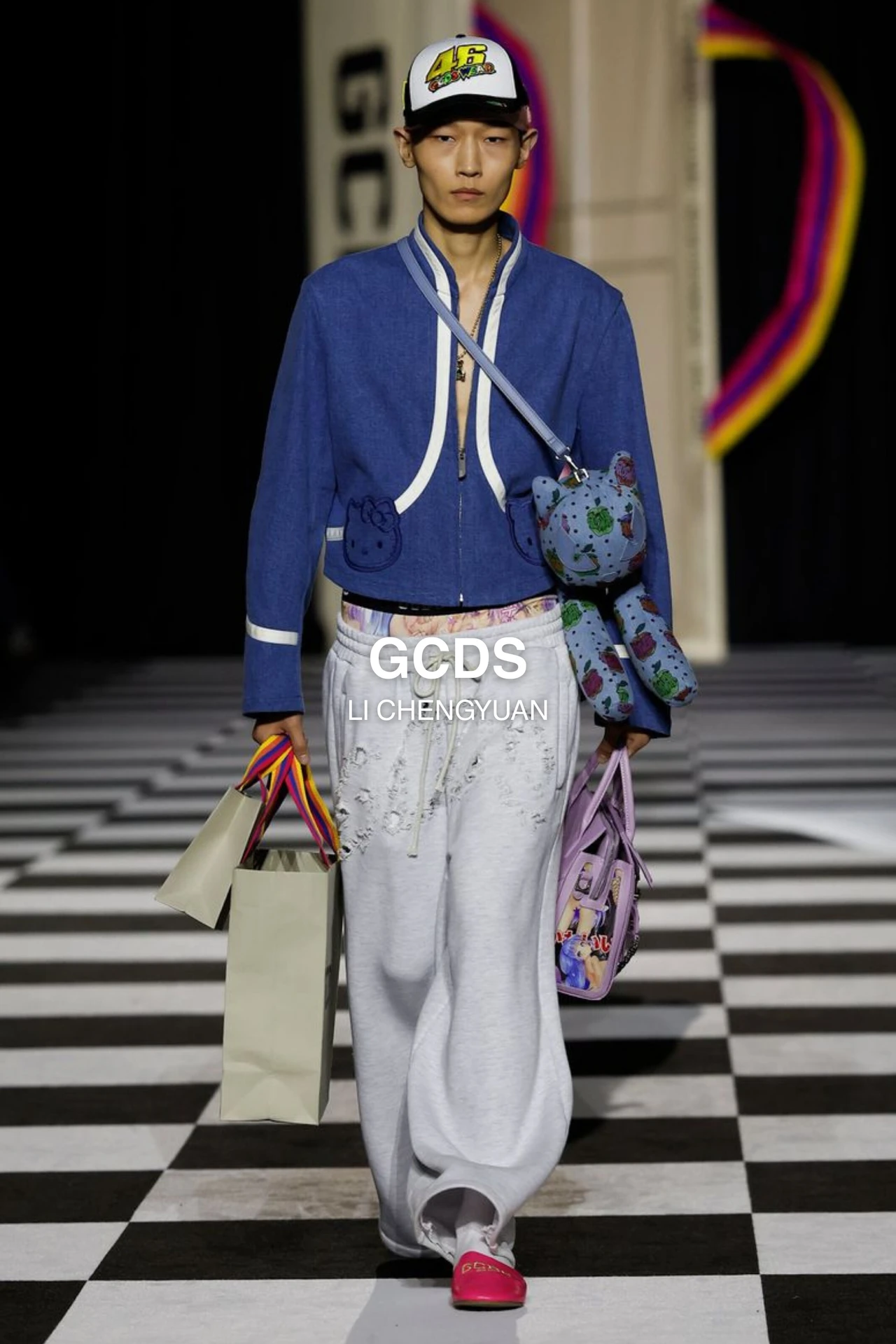
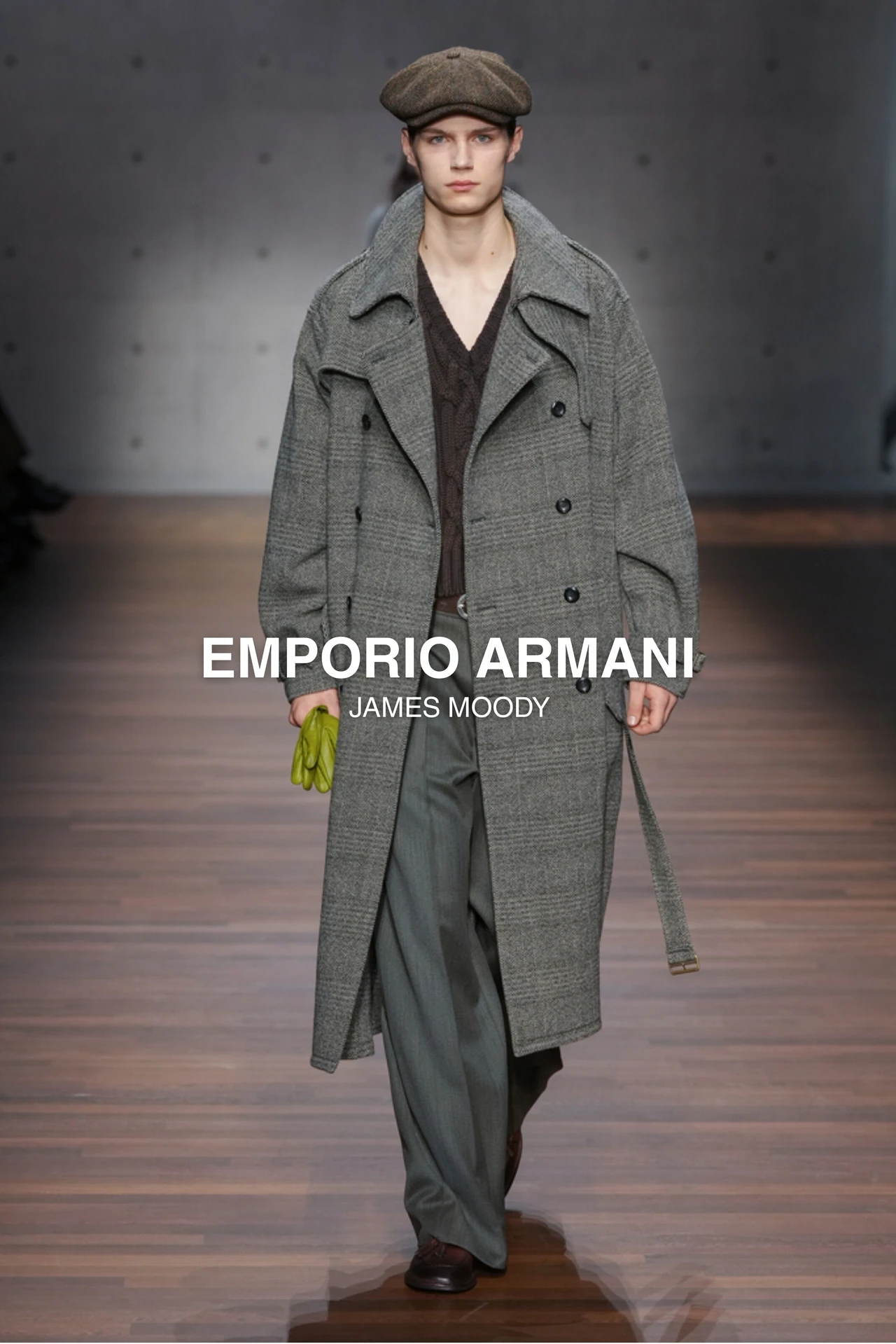
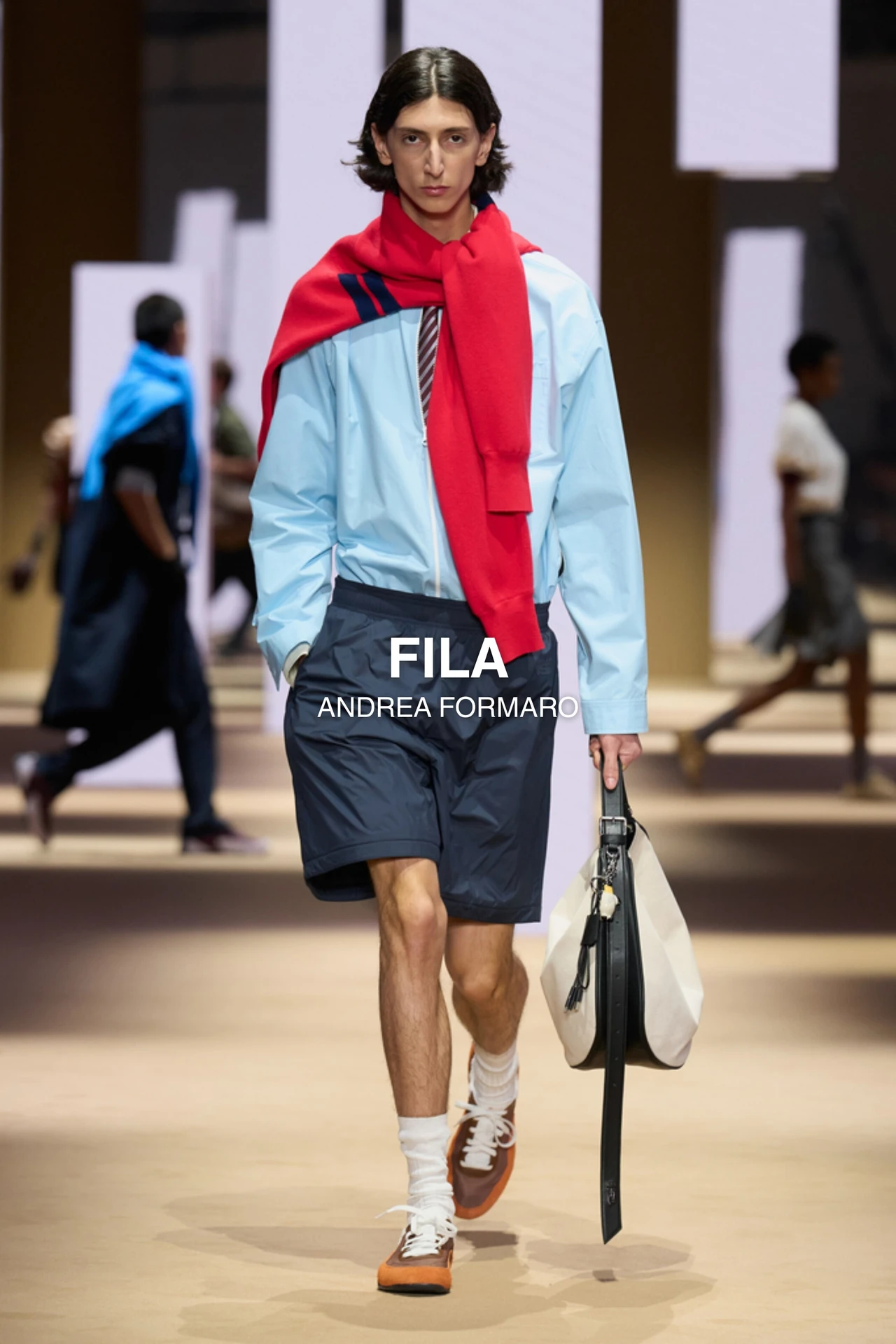
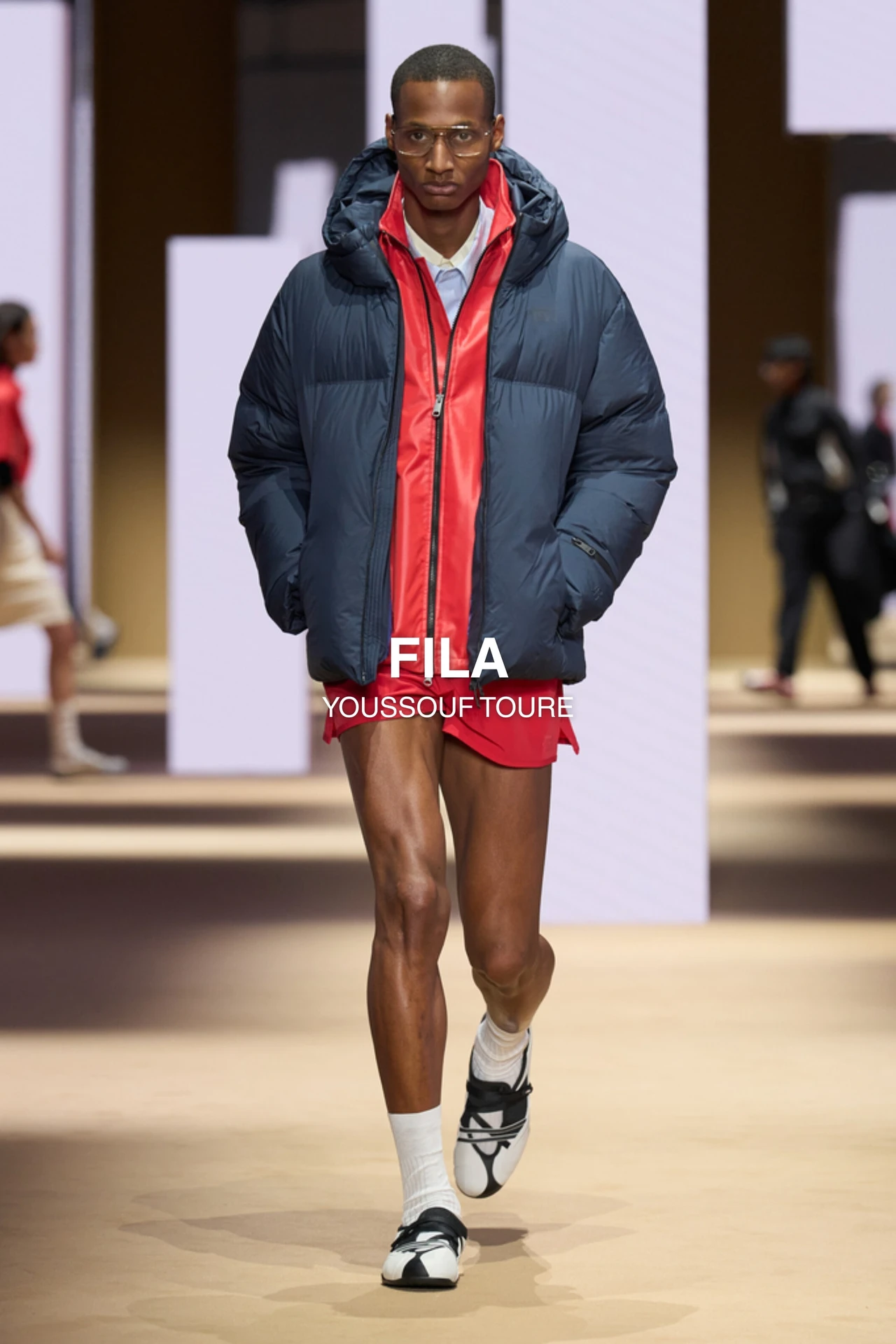
Emporio Armani presented, for the first time, the women’s-and-men’s collection under the direction of Silvana Armani and Leo Dell’Orco, reaffirming an idea of cross-cutting elegance that speaks to a more attentive consumer, less inclined toward excess. GCDS celebrated its tenth anniversary with a runway show followed by a dedicated event, while the return to the calendar of FILA underscored how Milan can integrate street culture and industrial heritage.
NEW GENERATIONS AND CRITICAL VISION
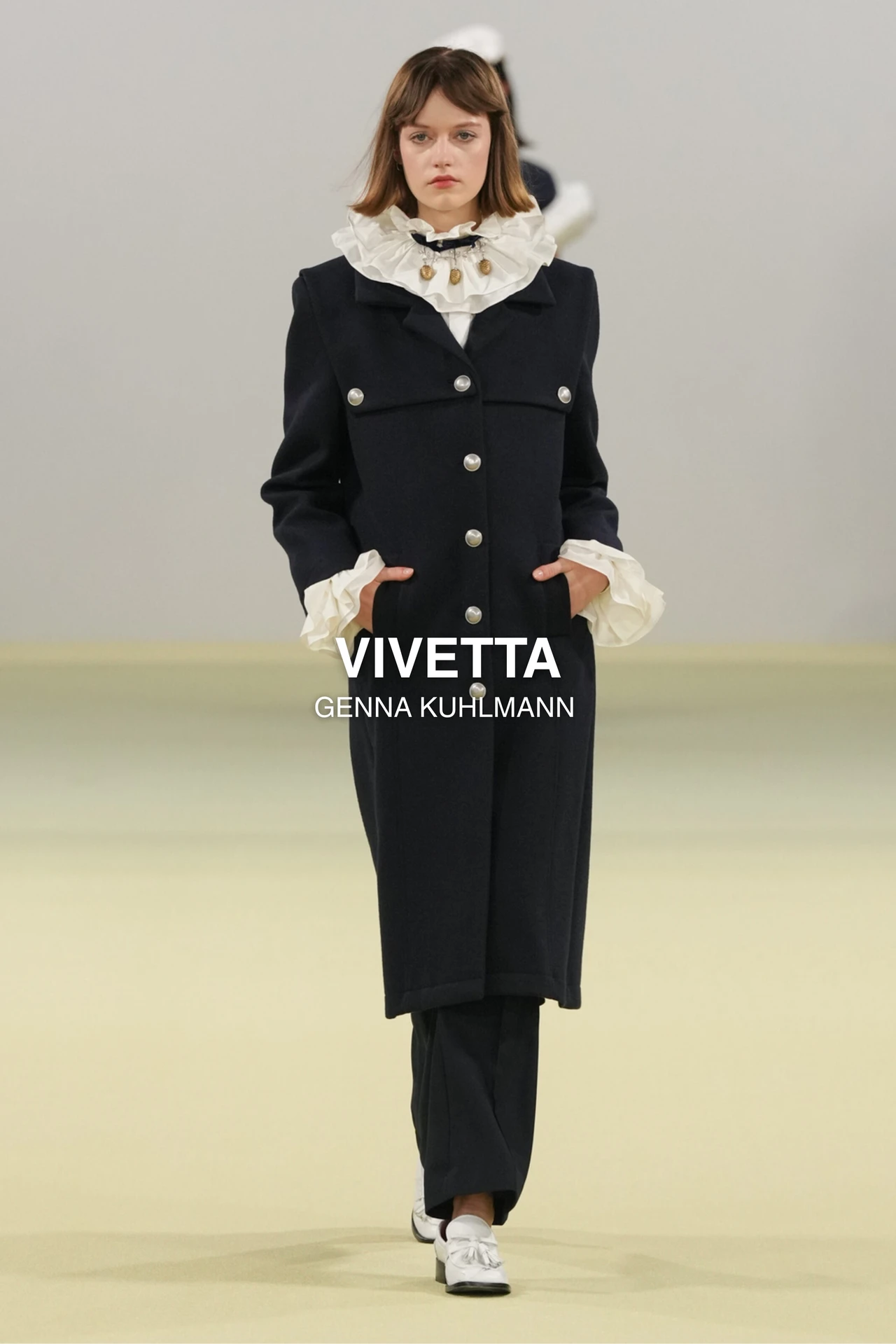
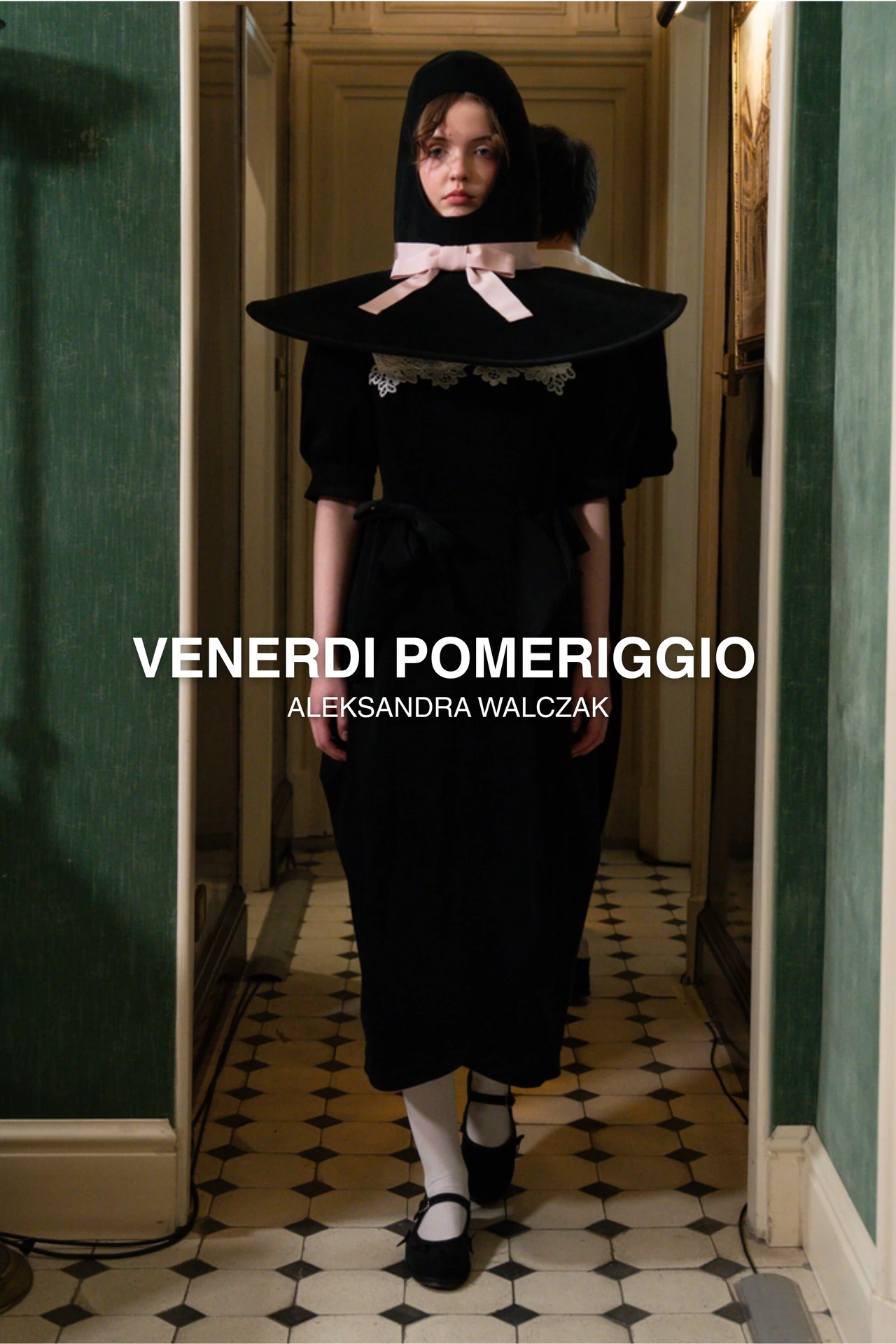
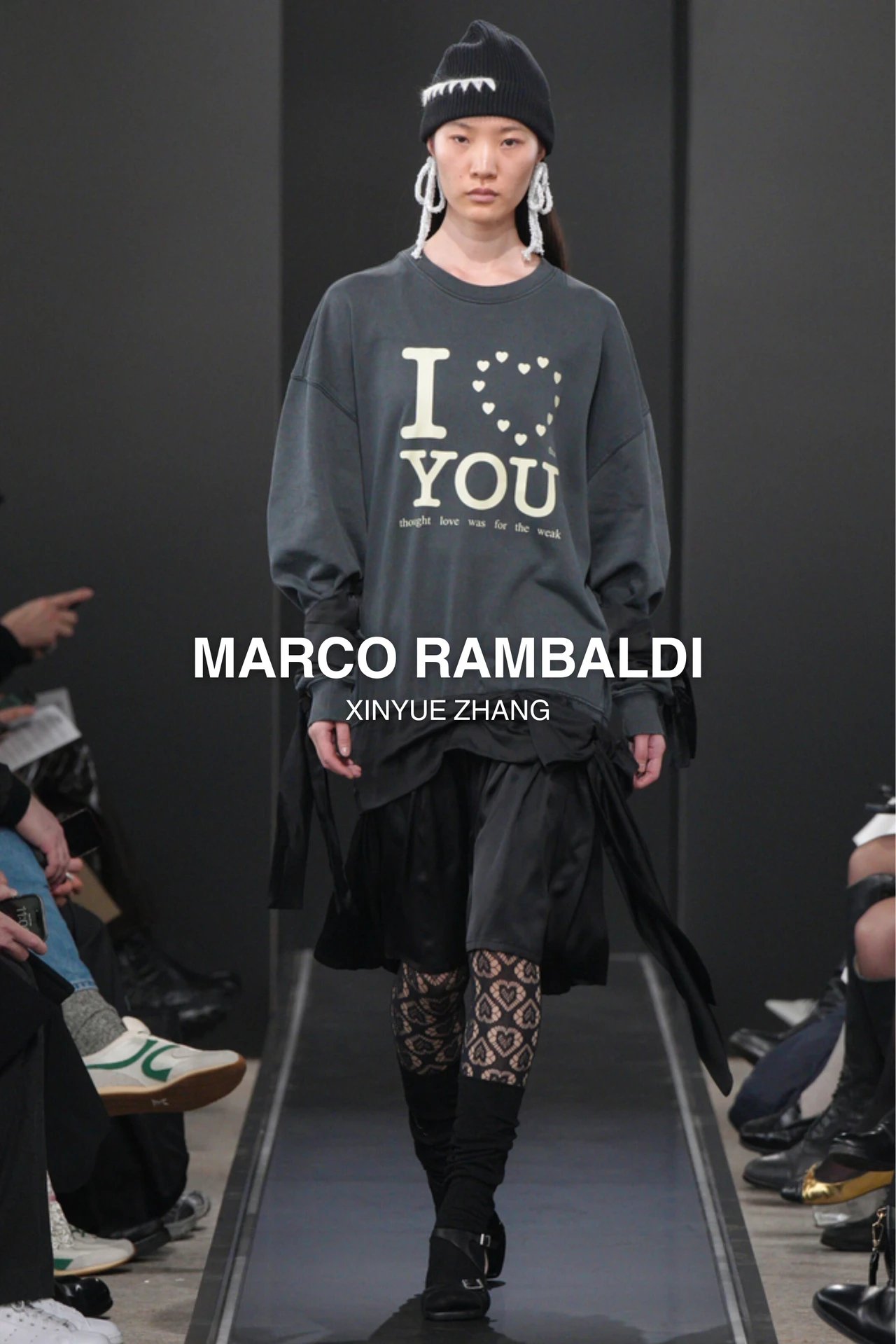
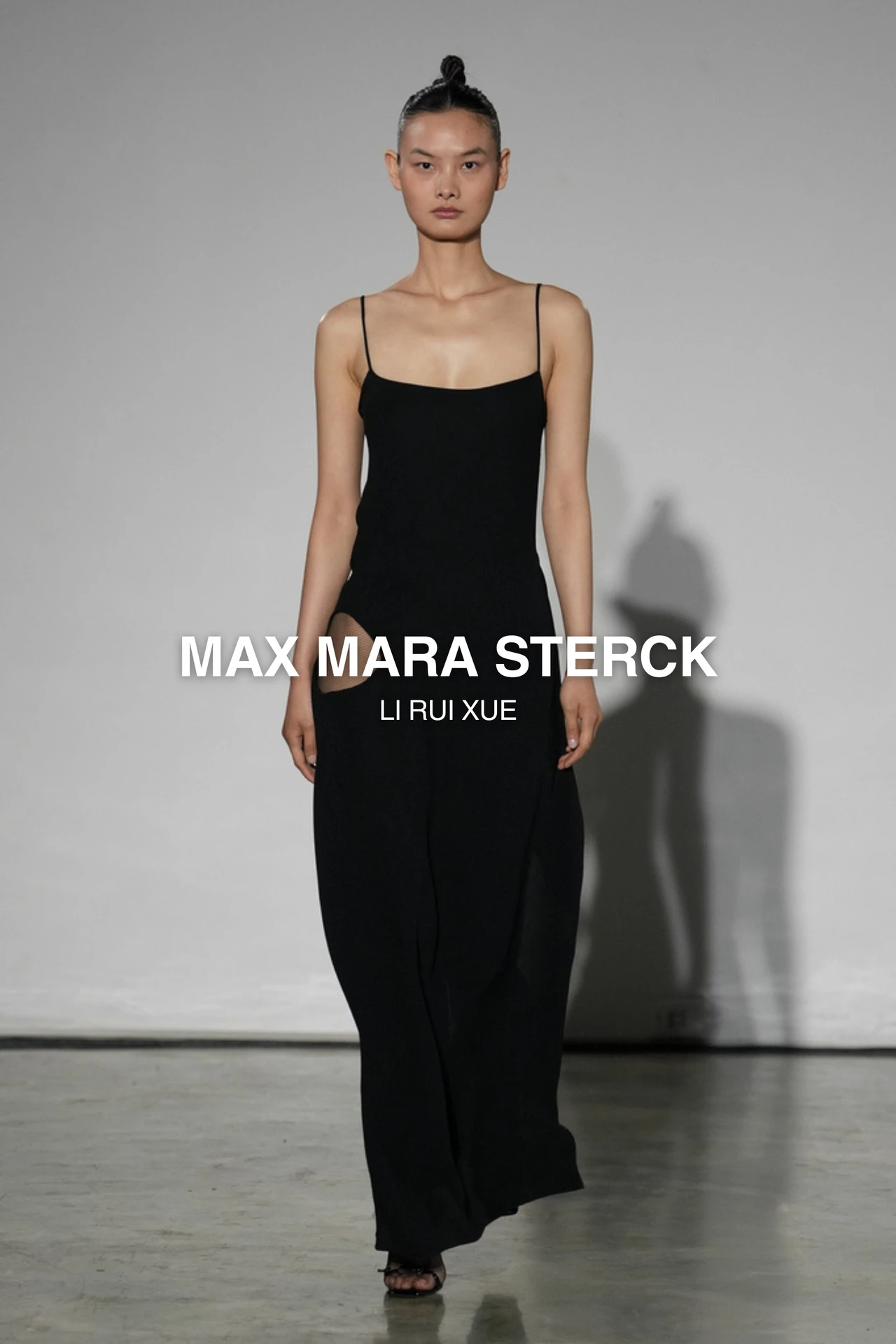
Alongside the big names, the week invested decisively in emerging brands: Casa Preti, Florania, Max Zara Sterck, Simon Cracker, Tell The Truth, and Venerdì Pomeriggio. This is not merely a matter of age. It is a cultural signal.
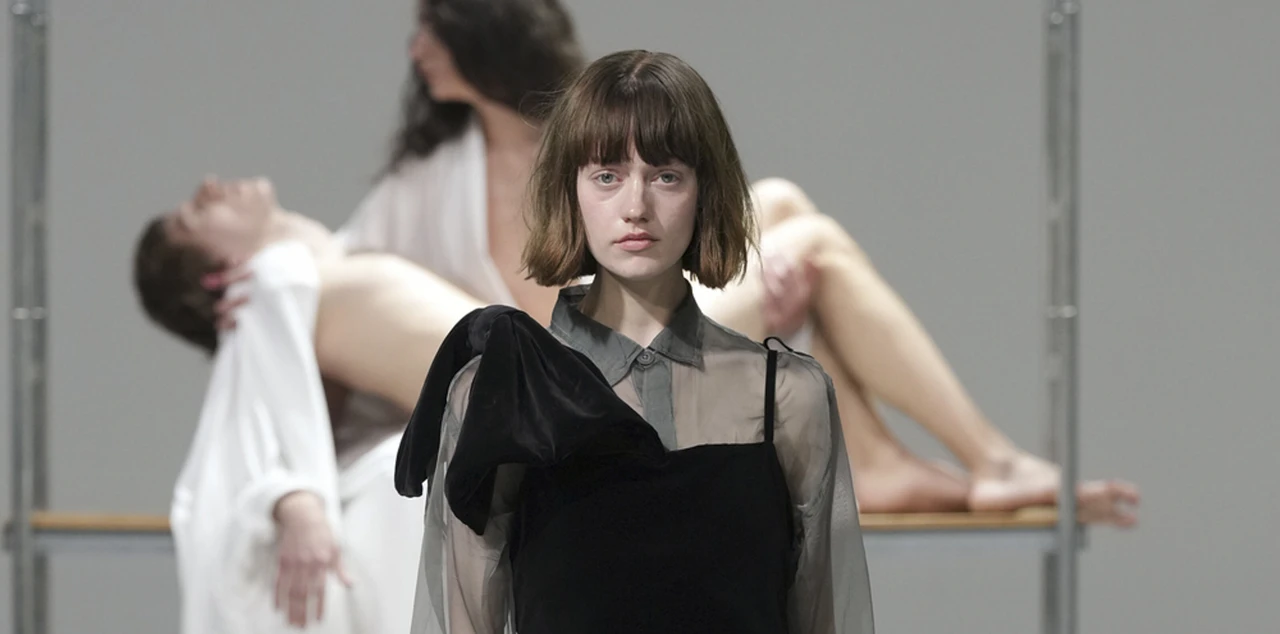
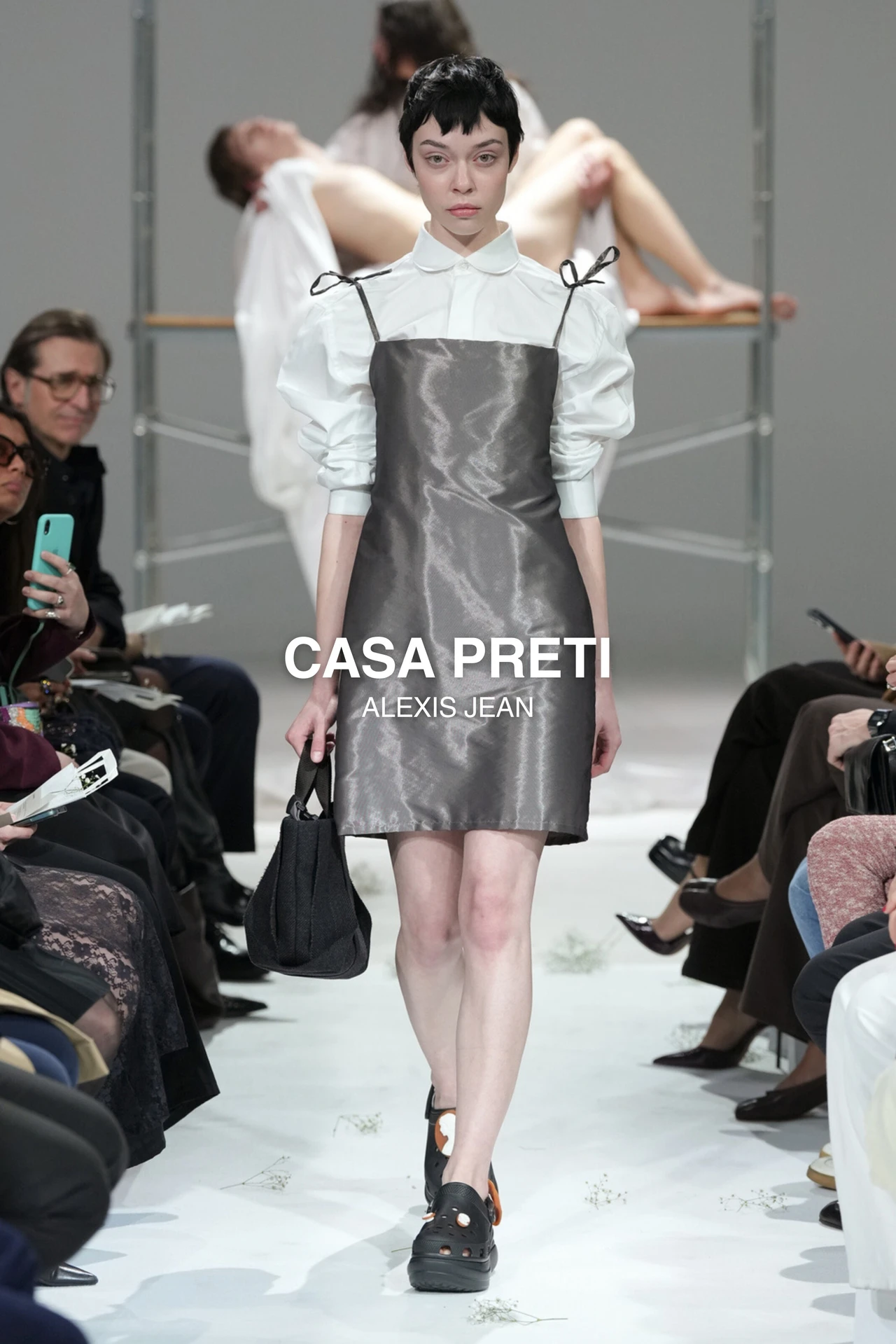
Among them, Casa Preti delivered one of the season’s most fully articulated manifestos. The Fall/Winter 2026–2027 collection was built around the concepts of Pietà and Pietas, questioning morality in a present marked by normalized violence. The reference to the classics—Aeneas supporting his father, Mary sustaining her son—becomes an open question: who holds whom? Is history holding up the contemporary, or the other way around? On the runway, thin, delicate silks were cut through by sharp tears, indifferent to the grain. Five-centimeter seams made the garment’s backstage visible, turning construction into a domestic metaphor, an intimate space to return to. Pietà and Pietas not as heroism, but as recognition of human fragility. The small bunch of gypsophila, a symbol of home, and the “Busta Vuota” as the final cadeau sealed a precise message: move beyond sterile consumption and return to founding—like Aeneas—one’s own idea of a city. In an economic context that imposes rigor, this cultural depth also becomes a positioning strategy.
CULTURE AS INFRASTRUCTURE
Alongside the runways, the week reaffirmed its cultural density. At Fondazione Sozzani, the documentary “Paving The Way – Franca’s Legacy” was presented, a tribute to Franca Sozzani and to her role in cultivating talents and visions. This is not a nostalgic homage. It is the reaffirmation of a method: fashion as a critical practice, as a dialogue among images, ideas, and responsibility.
The second edition of “Communities at Work” by Afro Fashion Association emphasized access and the building of professional networks. In a sector that has seen, in recent years, a reduction in the number of companies and a contraction in employment, to speak of community is to speak of the system’s social sustainability.
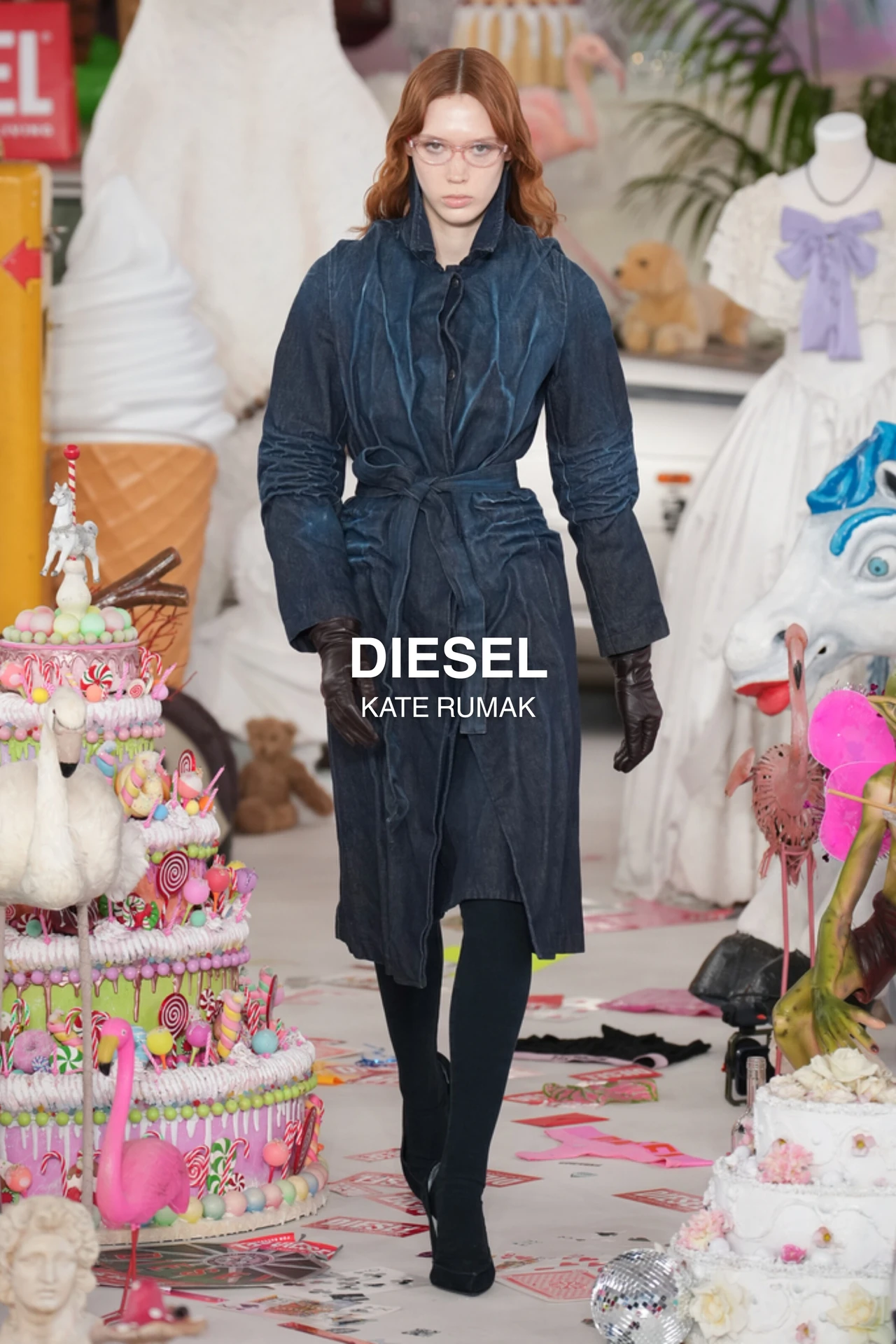
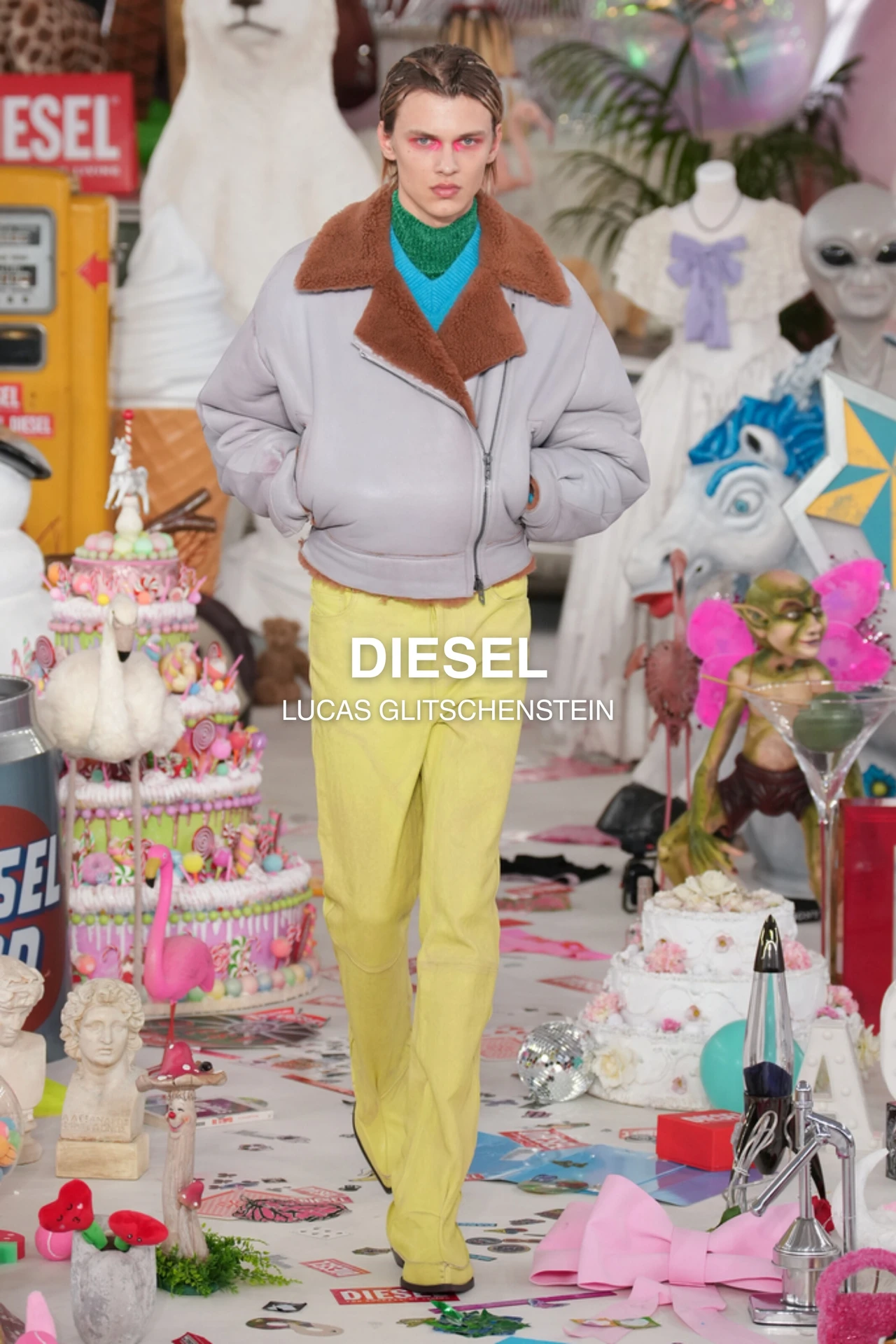
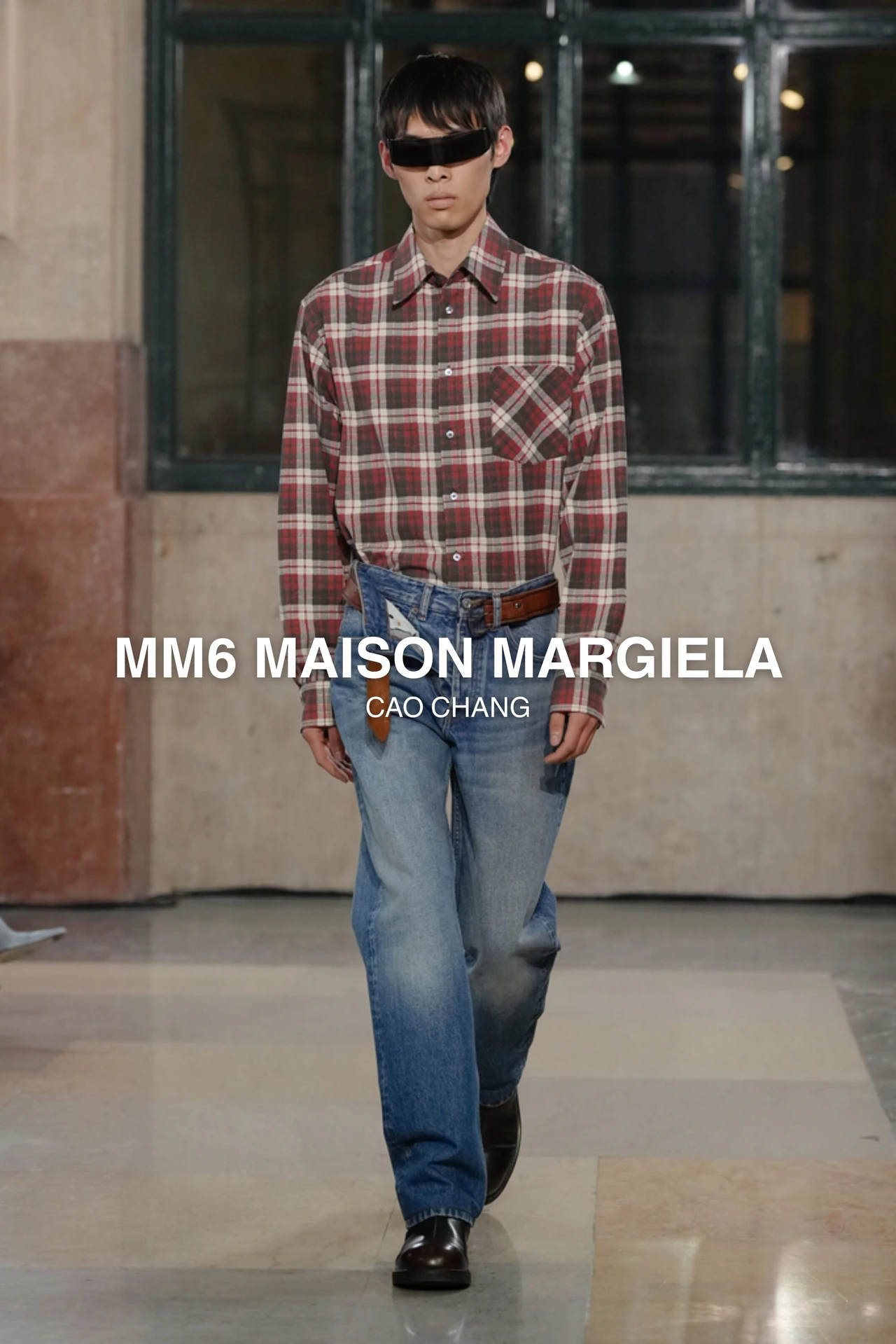
The project “NEXT ON AIR: A brand selection curated by Rinascente and CNMI,” hosted in the Air Snake space through March 9, also underscored a crucial point: the dialogue between distribution and creativity. Fashion lives not only on runways, but through retail, selection, and direct engagement with the public.
THE HORIZON OF VOGUE WORLD
In a global context in which average tariffs on world textile and apparel trade have risen to 8.9% and international commerce remains weak, cultural reputation becomes a competitive asset. Milan is working on this terrain with clarity.
Further strengthening this cultural trajectory is the announcement of Vogue World: Milan, which on September 22, 2026 will transform the Galleria Vittorio Emanuele II into a monumental stage dedicated to craftsmanship and to the dialogue between hand and machine.
The presence of Anna Wintour and Francesca Ragazzi in the official announcement, together with Mayor Giuseppe Sala and industry protagonists such as Alessandro Michele and Lorenzo Bertelli, places the event within a systemic dimension. Vogue World, after New York, London, Paris, and Hollywood, will arrive in Milan to celebrate the heritage of Italian fashion through thematic acts that will stage Renaissance brocades and industrial wool, tradition and technology.
The involvement of the Galleria community—from Giorgio Armani to Prada, from Gucci to Fendi, from Bottega Veneta to Moncler, alongside historic Milanese storefronts—shows that the city understands fashion as an ecosystem. Not only runway shows, but commerce, theater, craftsmanship, philanthropy.
BETWEEN PRUDENCE AND VISION
Forecasts for 2026 indicate a high probability of returning to positive territory around +1%, in a still-uncertain scenario. No expansive growth is in sight, but stabilization.
The collections seen in Milan reflected this phase: less ostentation, more construction; less extreme seasonality, more a wardrobe designed to last. It is the response of an industry that has learned to move amid currency volatility, softening exports, and more selective consumers.
The week closes without triumphalism. But with one certainty: the strength of Italian fashion does not lie only in volumes or growth spikes. It lies in its ability to braid enterprise and culture, memory and innovation. Milan, once again, has shown it knows how to inhabit this balance.