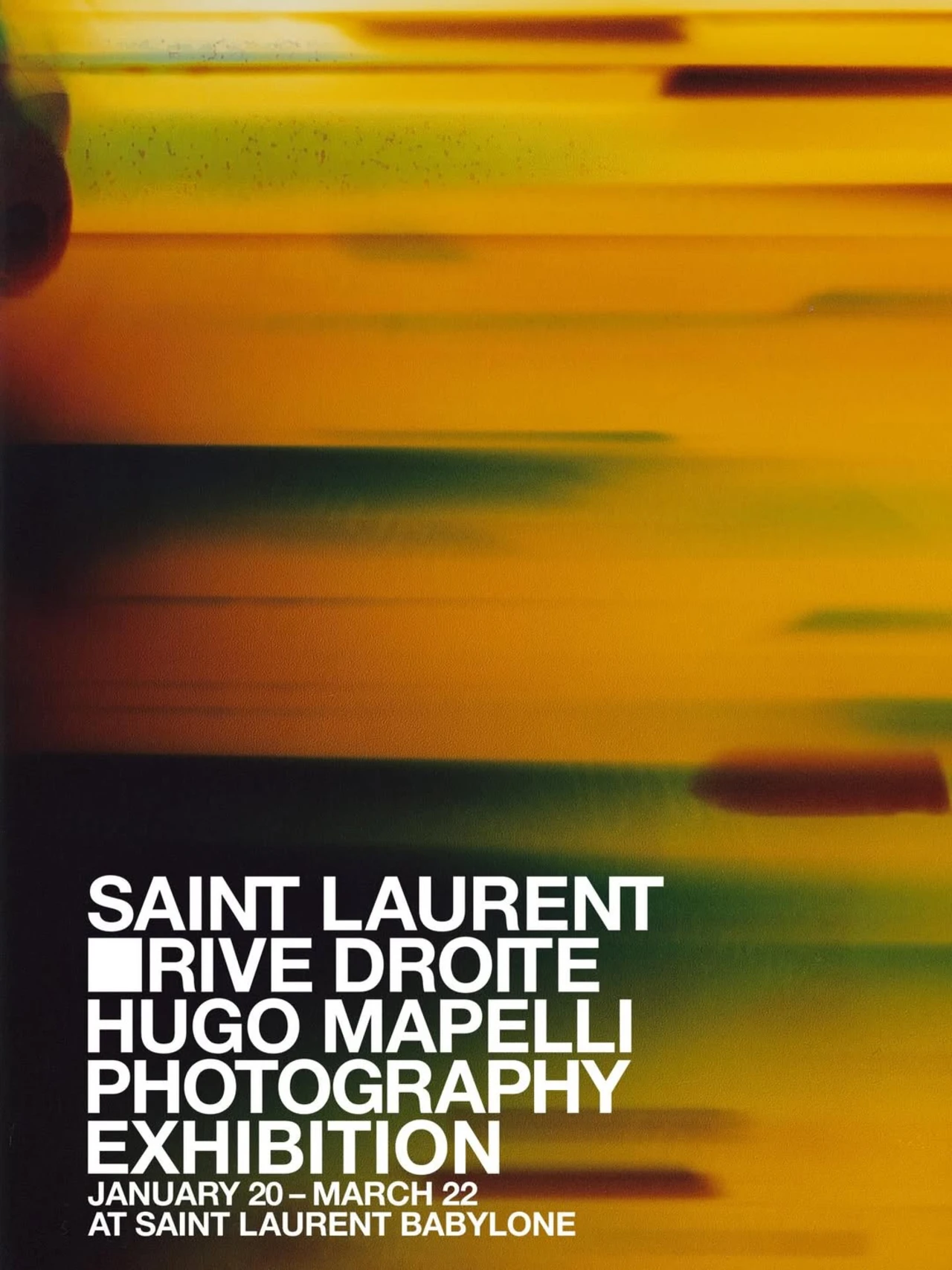
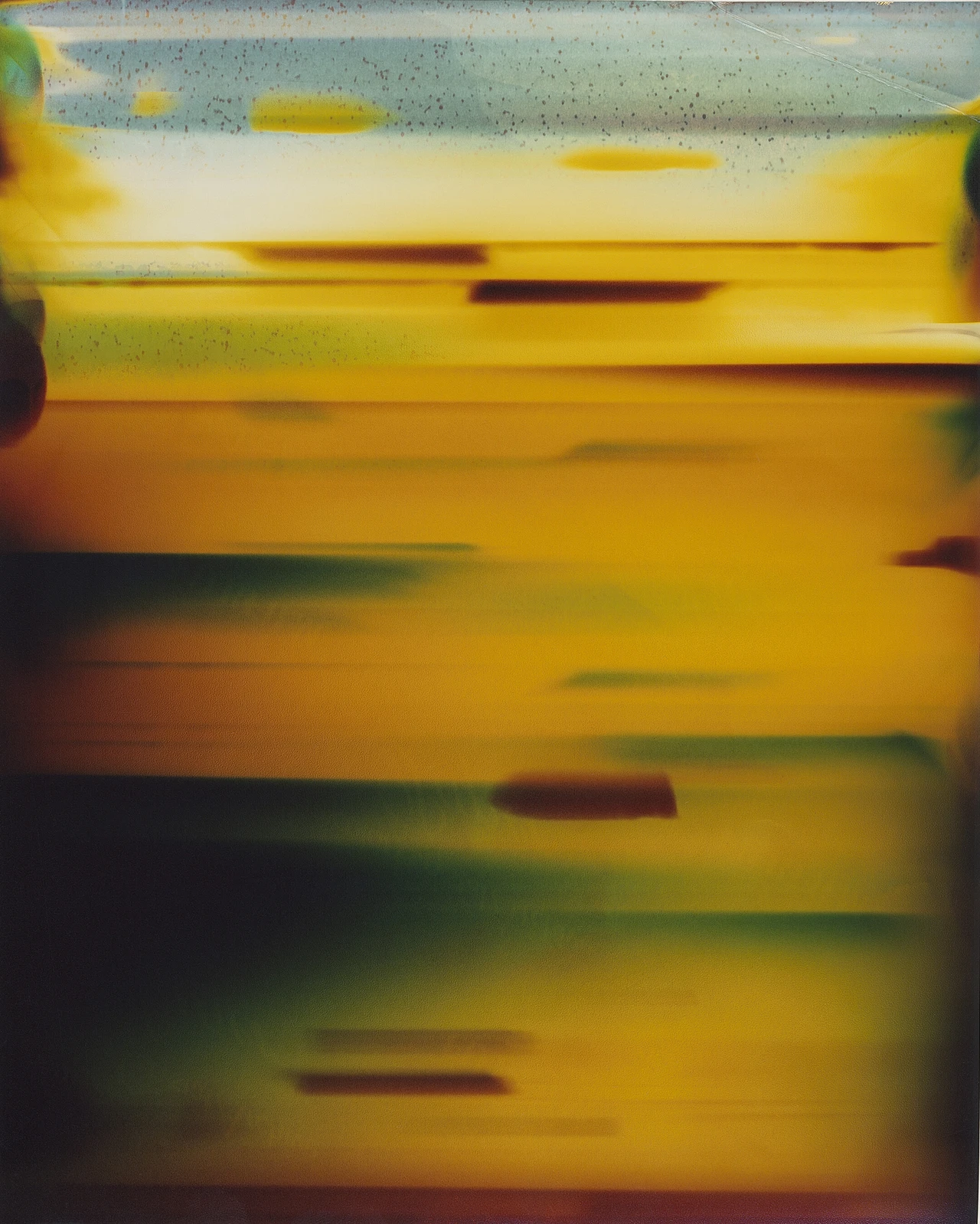
At Saint Laurent Babylone , photography is not treated as content. It is treated as matter: paper, chemistry, and weight, the kind you feel in your fingers before you even understand what you are seeing. Hugo Mapelli’s images ask for the attention usually reserved for rare books: the pause at the threshold, the instinct to lean in, the awareness that a surface can hold time. Light does not simply describe a face or a room; it settles, stains, and lingers, with the darkroom still clinging to it. Slow down. Look again. Then notice what changes when an image becomes an object.
© Saint Laurent Babylone
BABYLONE, WHERE A BRAND BEHAVES LIKE A PUBLISHER
Babylone sits on Paris’s Left Bank, at 9 rue de Grenelle, in the 7th arrondissement, and is explicitly framed as a cultural extension of Saint Laurent’s Rive Droite universe, curated by Anthony Vaccarello. The exhibition is on view from January 20 to March 22, 2026 (some Saint Laurent listings extend the closing date to April 12). Rive Droite itself began as a “destination for expression, exchange, and lifestyle,” a format that mixes limited editions, a library, music, photography, exhibitions, events, and performances, then stretches across addresses that read like a soft map of contemporary luxury: Paris, Los Angeles, New York, and Beijing.
Babylone is the Left Bank answer. More reading room than boutique, it turns the act of browsing into a narrative: shelves, covers, paper stock, the kind of sensory information a screen cannot deliver. This is why the project feels natural here. It asks visitors to read images the way they would read a page.
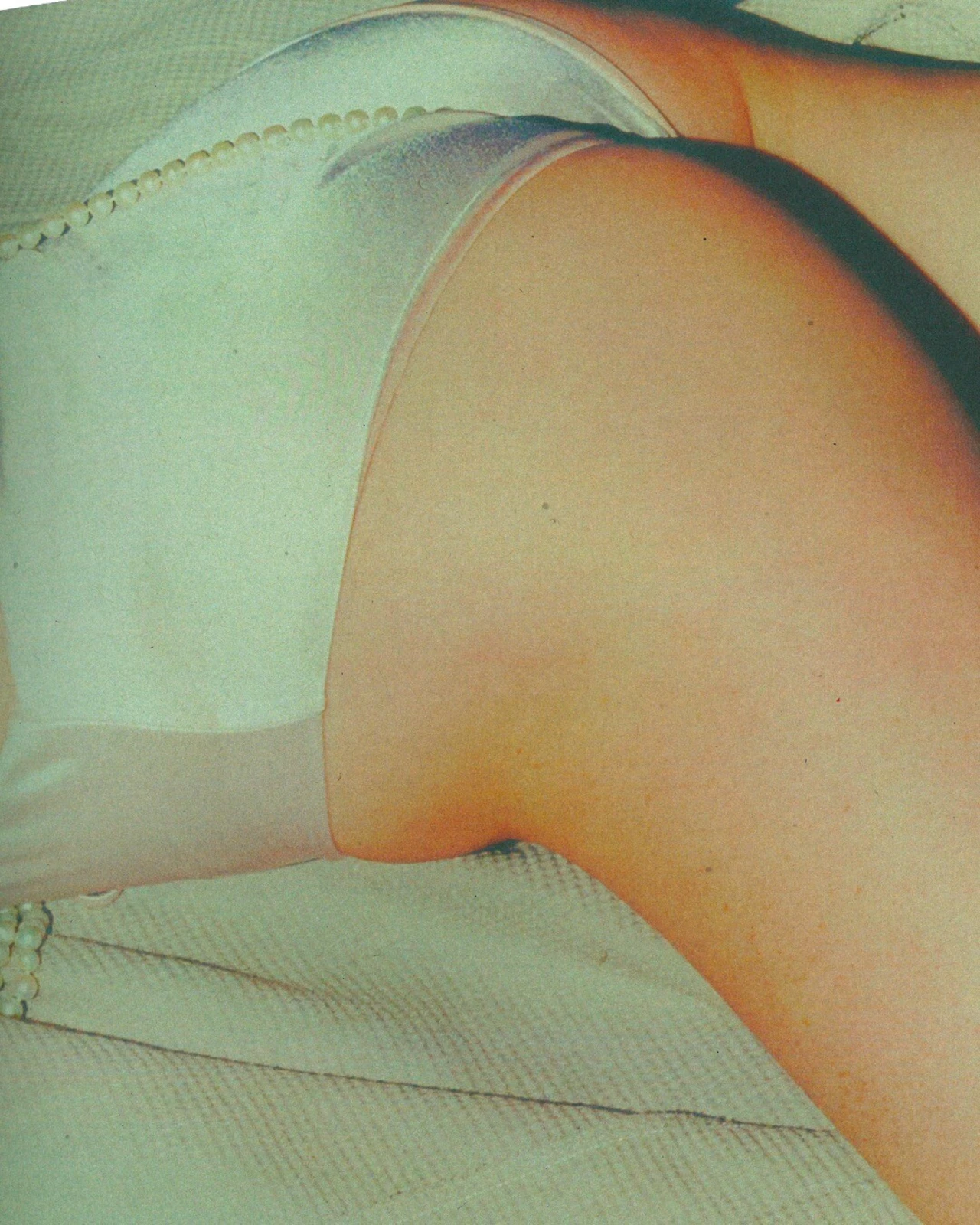
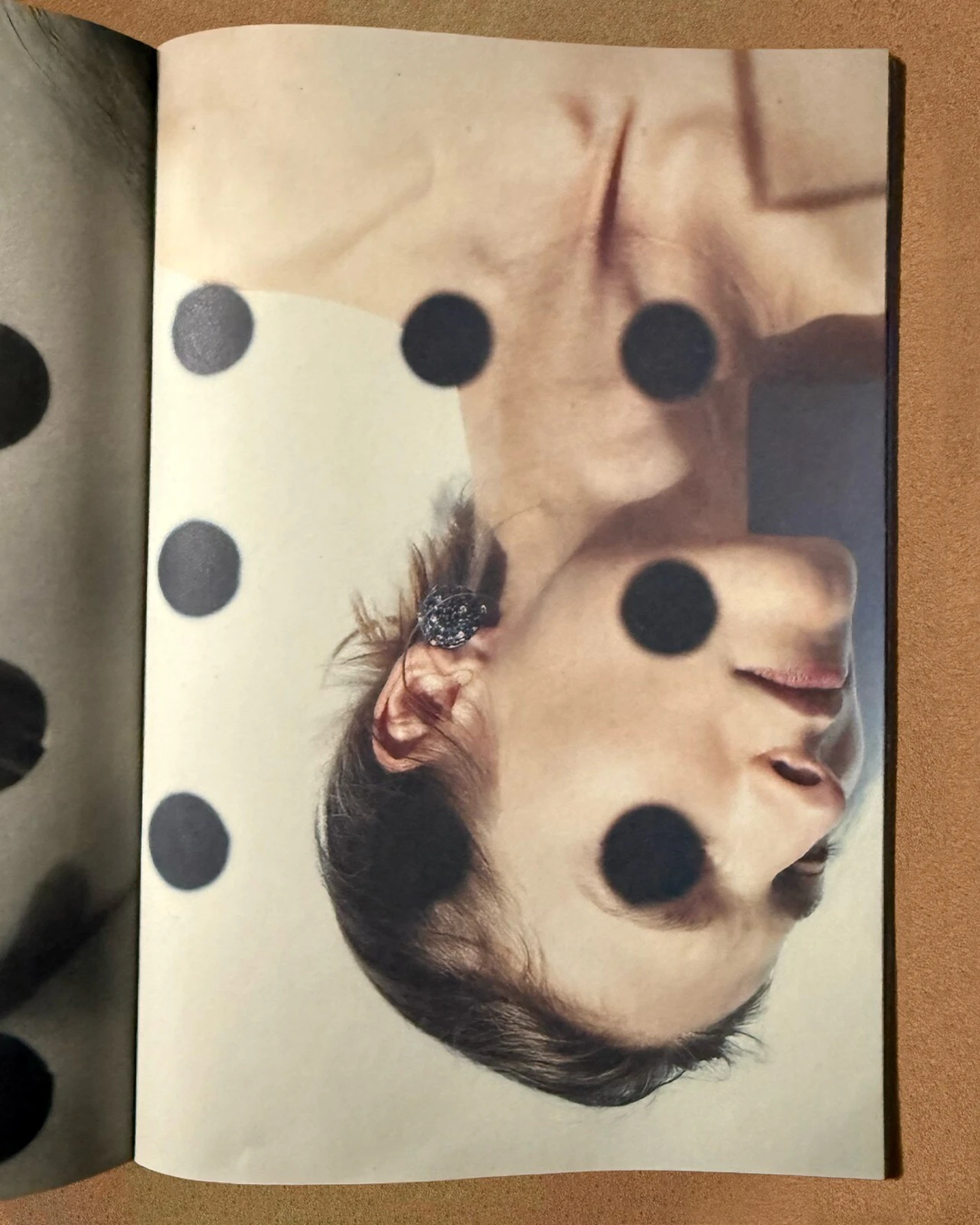
© Saint Laurent Babylone
HUGO MAPELLI’S DARKROOM, BUILT ON CHANCE
Saint Laurent introduces Hugo Mapelli as a Parisian fashion photographer and French filmmaker whose practice is obsessed with process, with what photography becomes once you take it away from the feed. His images orbit human relationships, everyday life, and the small negotiations between bodies and environments, with a sharp eye for details that usually slip past us. Portraiture, architecture, landscape: the subjects shift, but the mood holds, minimalist compositions, light doing most of the talking.
The real signature, though, lives in the darkroom. Mapelli works mainly with film, and he leans into manual gestures, accidents, and techniques that predate the current obsession with frictionless clarity. Cyanotypes (those deep, blueprint blues), photograms (camera-less shadows), calotypes (an early negative process), luminograms (light drawings that behave like abstract paintings) are not retro flourishes here. They are contemporary tools. The results can be singular, hovering between photograph and object, between image and trace: a material memory you can almost feel.
There is a quiet provocation in Mapelli’s method. He treats imperfection, the smudge, the uneven density, the leftover chemistry, as information, not as an error to be corrected. In a culture trained to retouch first and think later, this is a refusal, elegant but firm. It also reframes fashion photography itself: less about the instant, more about duration, less about performance, more about residue.
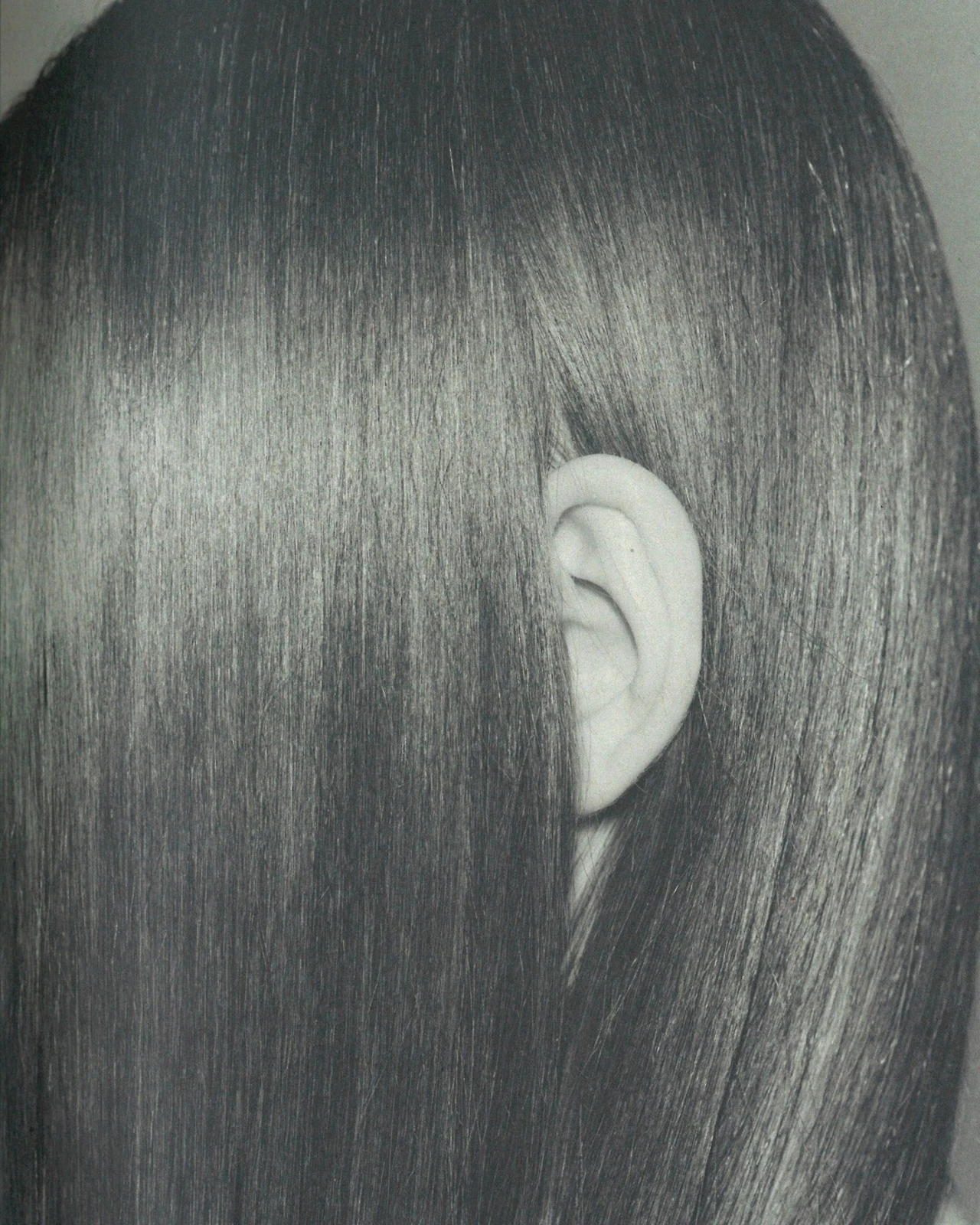
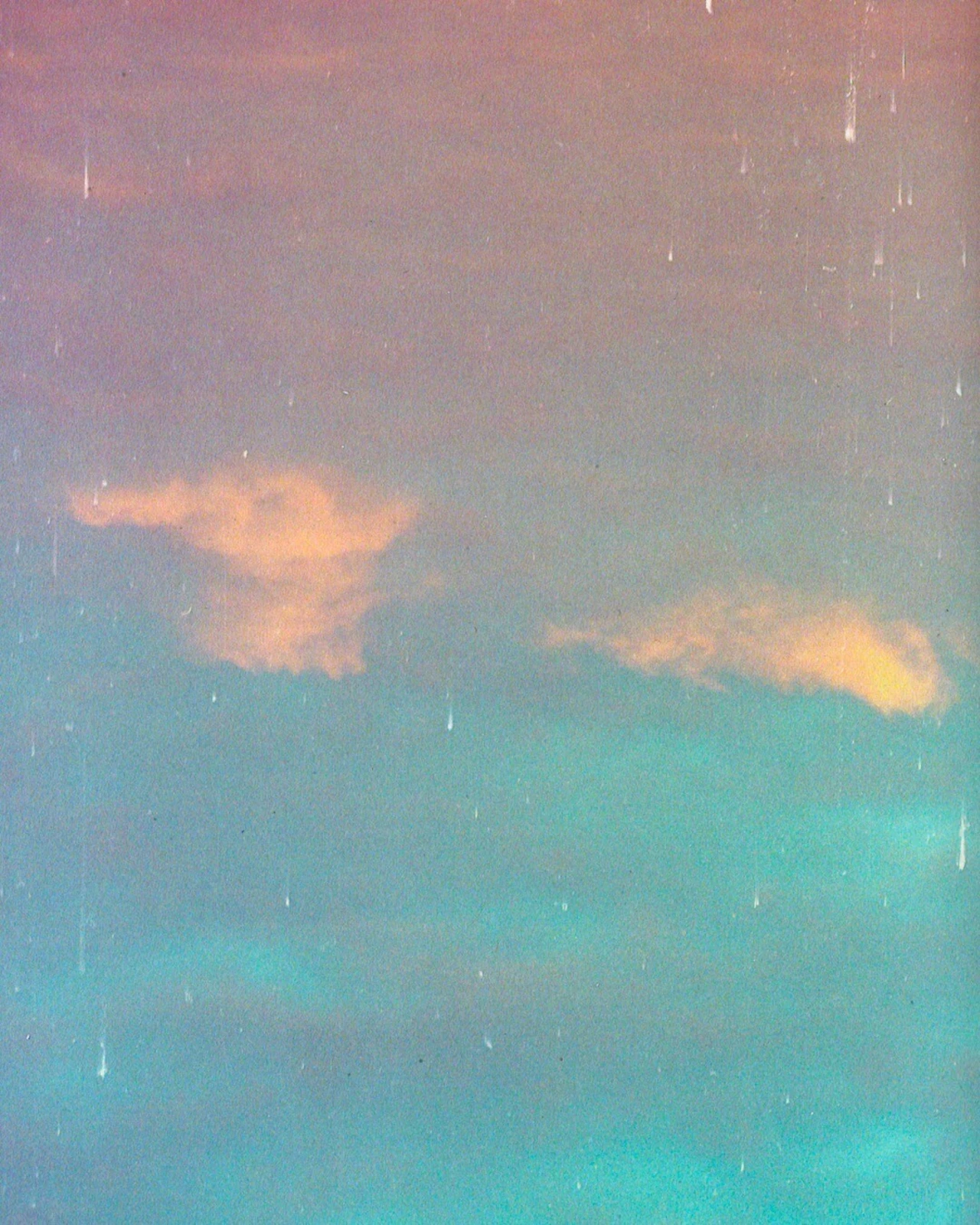
© Saint Laurent Babylone
THE FANZINE THAT REFUSES TO BE “AFTER”
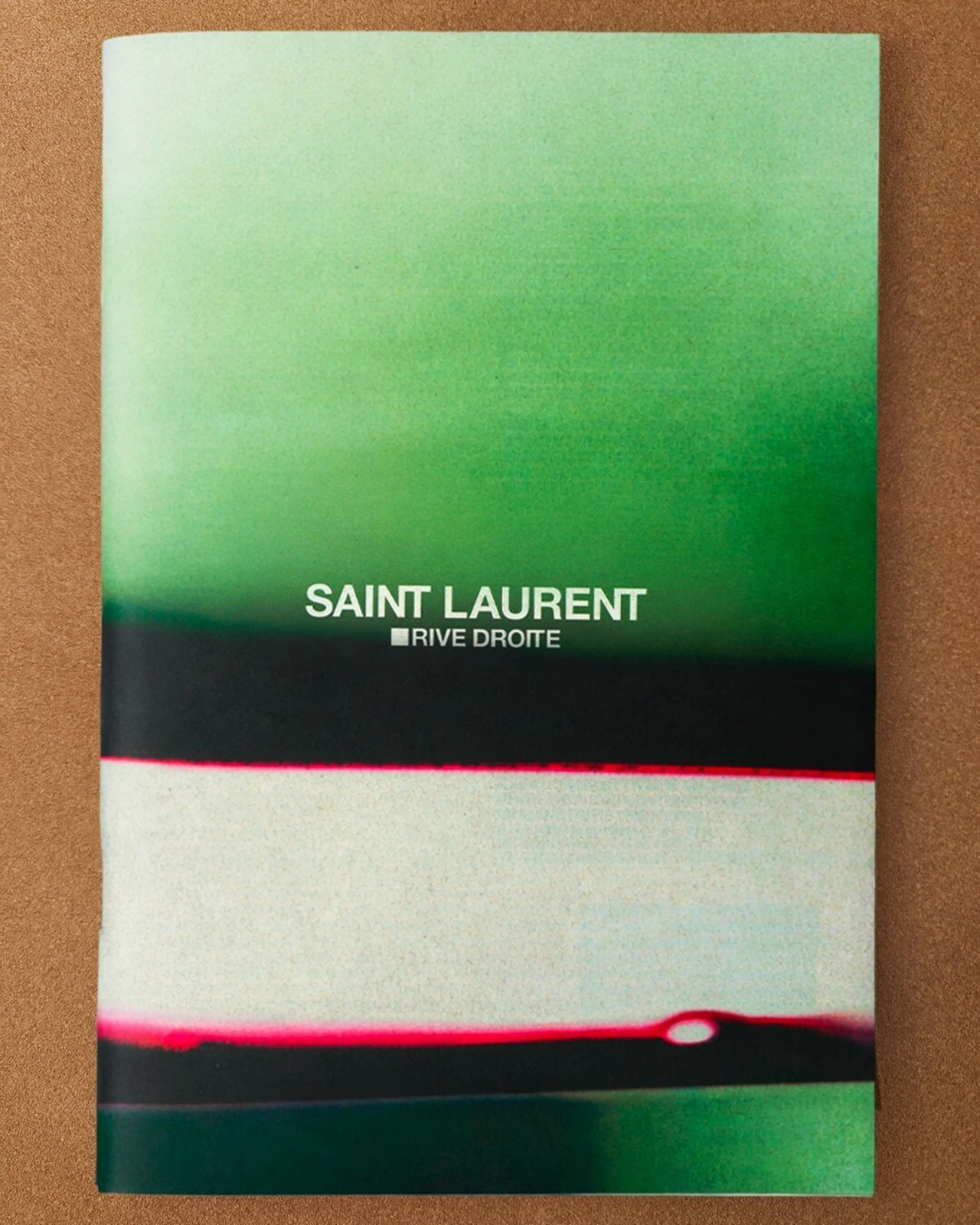
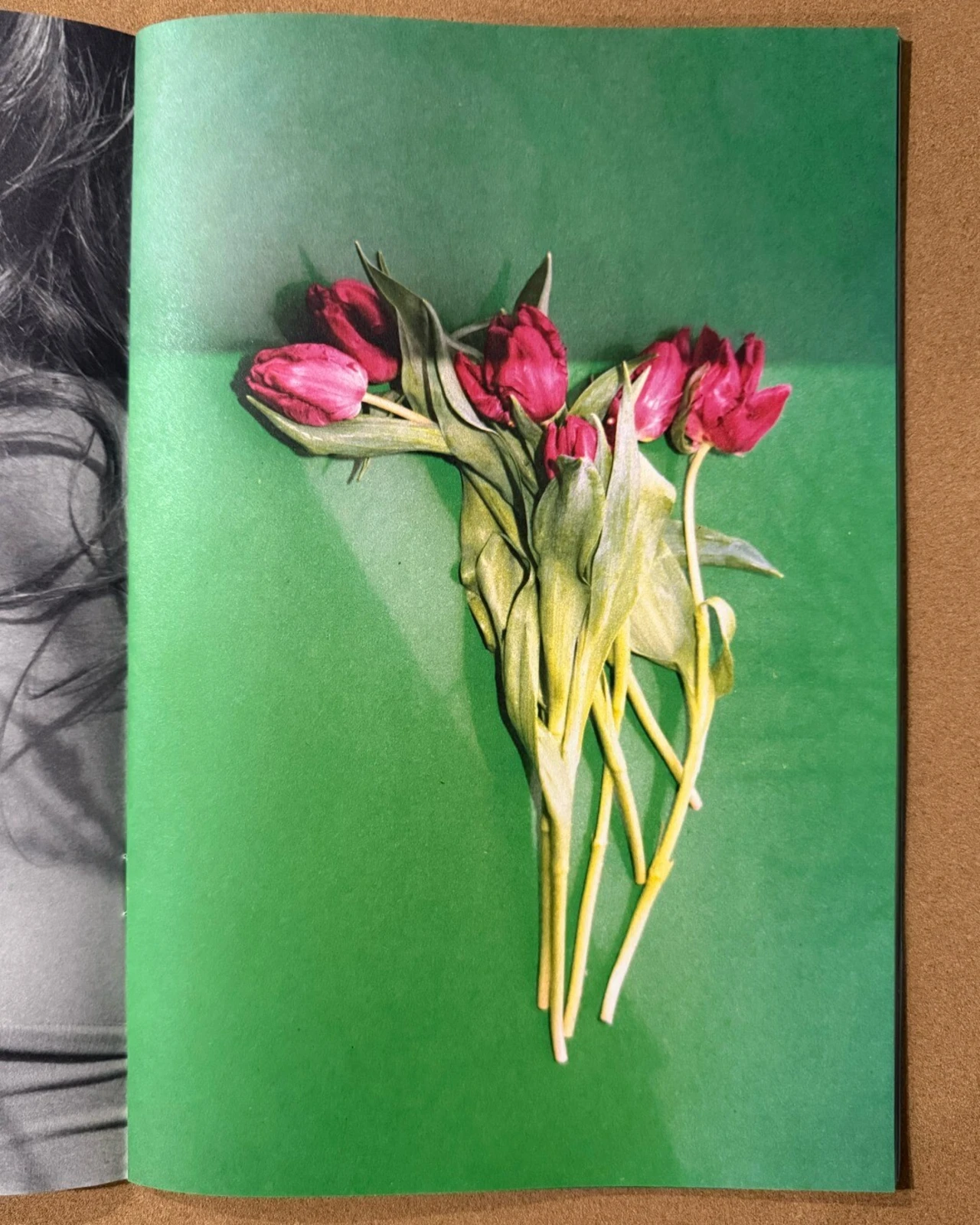
The exhibition arrives with a companion that is not a catalog, and that is the twist. Alongside the show, Saint Laurent releases Fanzine No. 21, inviting Mapelli into its ongoing series built to spotlight emerging creative talent, with each issue shaped by a different author under Vaccarello’s cultural direction. Issue 21 joins a growing stack of names, that reads like a pocket library of the moment.
In this setup, the publication is not a souvenir produced once the walls are taken down. It is part of the installation’s logic. The page is another room.
A fanzine also carries a loaded history. It was born as small-run publishing, intimate, passionate, impatient, community-first. When luxury adopts it, a paradox appears, DIY energy translated into immaculate production. Yet the form keeps its original promise: urgency. A sense of “now.” In Babylone, that urgency is the curatorial device, a way to make photography tactile again, to let the object teach the eye how to look.