PHOTOGRAPHER & DIRECTOR Giorgia Dal Molin
CO DIRECTOR Edoardo Conforti
HAIR Victoria Pastore
MAKE UP Asja Redolfi Tezzat
Assistants Alessia Succi and Sophie Bindiku
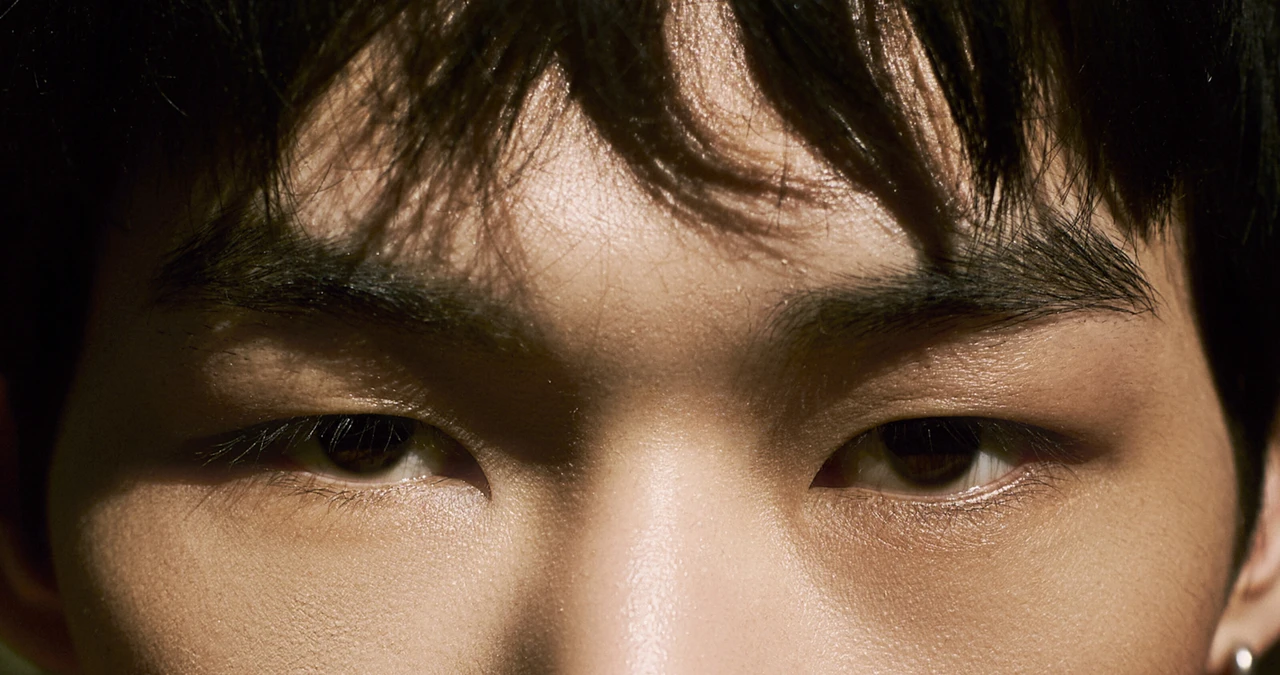
Trades runway glare for Pavia’s 1773 botanical garden, passing Scopoli’s glasshouses and plane tree in a quiet, nature-led fashion story.
PHOTOGRAPHER & DIRECTOR Giorgia Dal Molin
CO DIRECTOR Edoardo Conforti
HAIR Victoria Pastore
MAKE UP Asja Redolfi Tezzat
Assistants Alessia Succi and Sophie Bindiku
Used to runway glare and the precision of studio sets, Cao Chang steps into a different kind of spotlight—soft, filtered through leaves. At the Orto Botanico di Pavia, Italy, founded in 1773 at the request of Empress Maria Theresa of Austria, fashion stops performing and starts listening. The air changes near Giovanni Antonio Scopoli’s historic glasshouses; the gravel path slows the pace; and the Platano di Scopoli—a monumental plane tree planted in 1778—holds the scene like a patient witness. Between roses, peonies, and the hush of the Vigneto Proibito, Cao becomes less a model and more a presence, measuring elegance against something older, wilder, and quietly untouchable.
He has learned to live inside fashion’s brightest, loudest rooms: Paris casting calls, Tokyo backstage corridors, the choreography of a final walk. But his credits—from AMI and Lemaire in January 2026 to Paul Smith in Tokyo—read differently once the camera finds him among botany instead of spotlights. A Gucci lookbook, a Lanvin menswear story under Peter Copping, even a Balenciaga resort show in Shanghai: here, it all fades into background noise, softened by leaves.
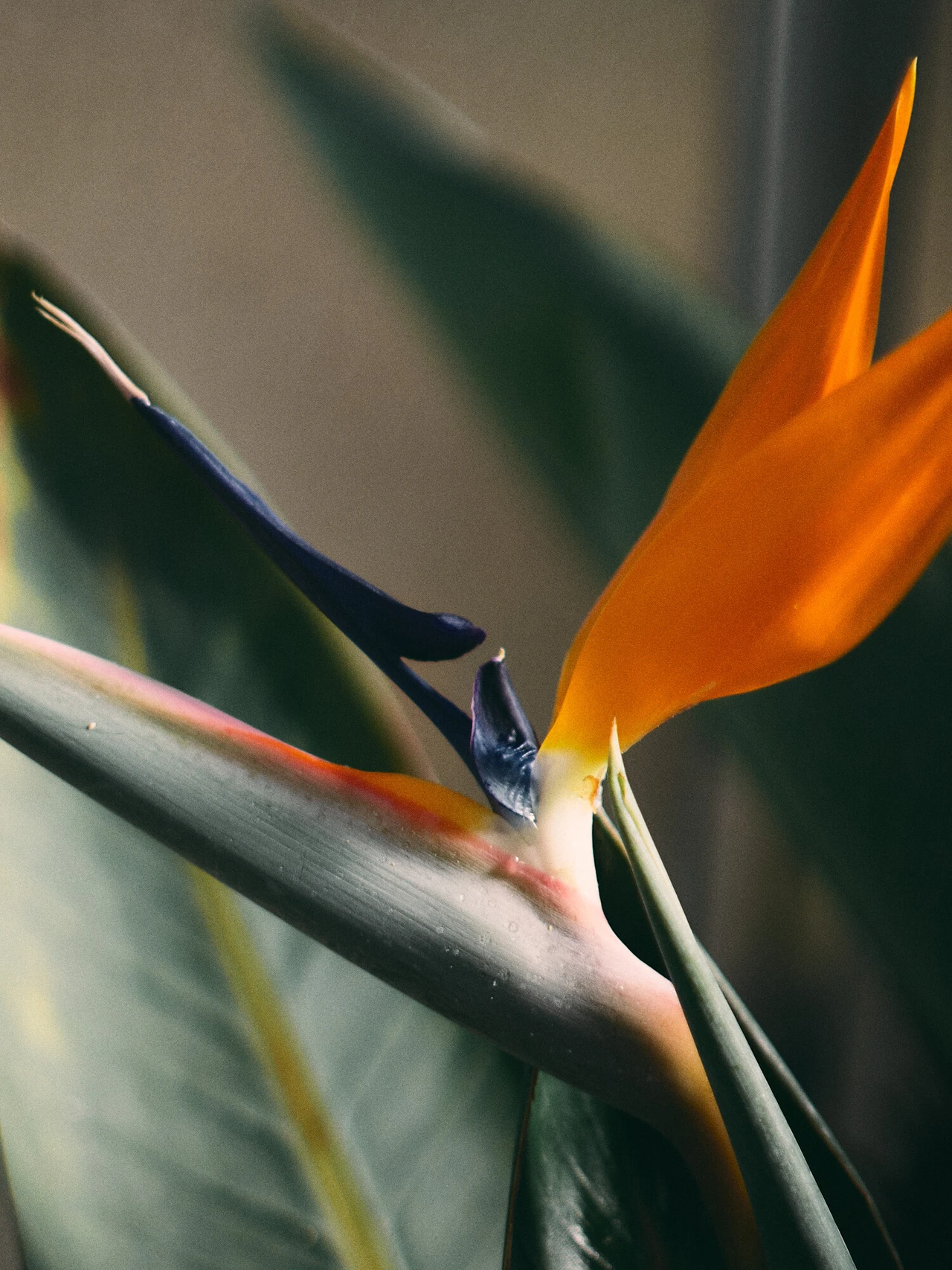
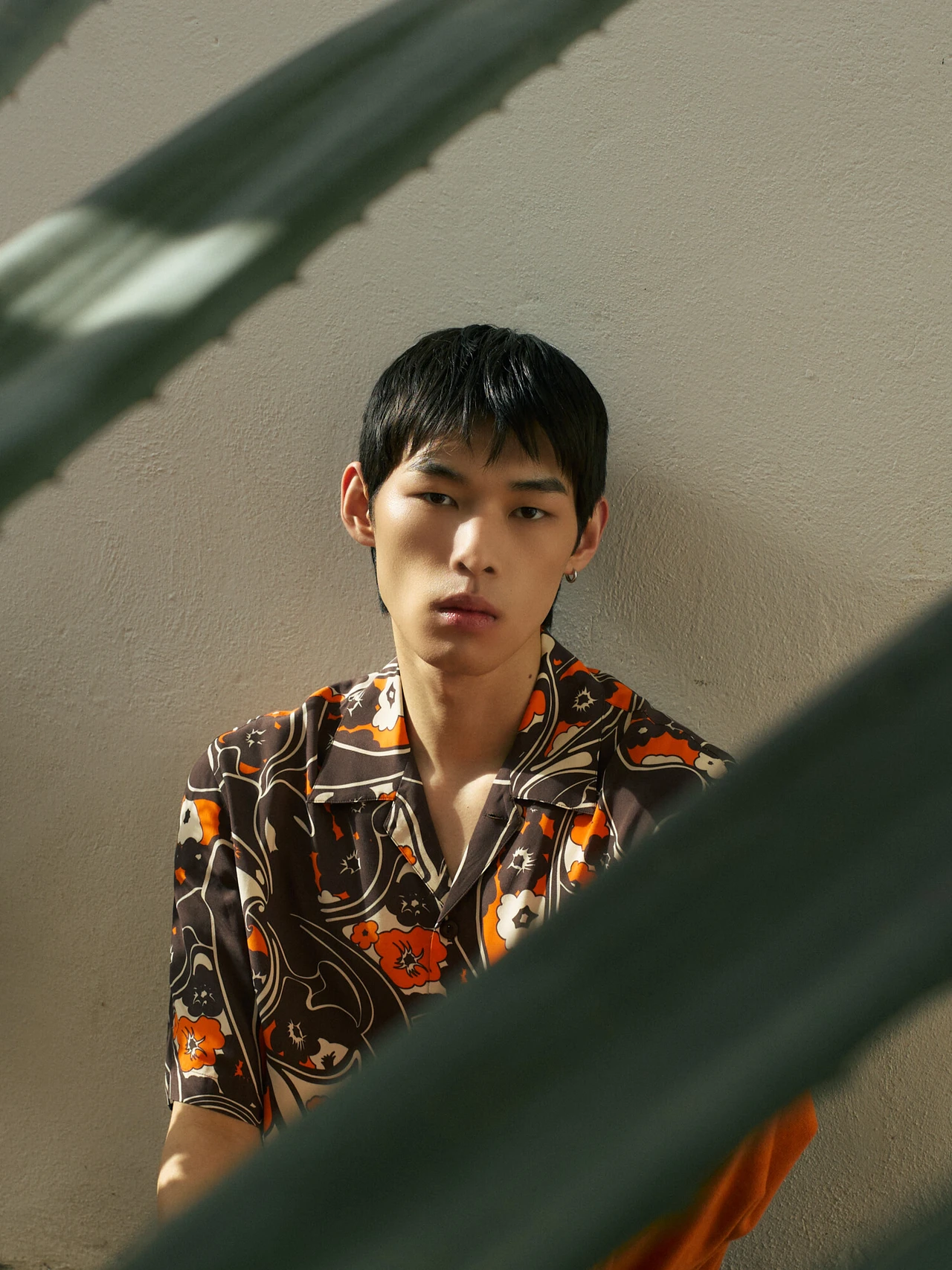
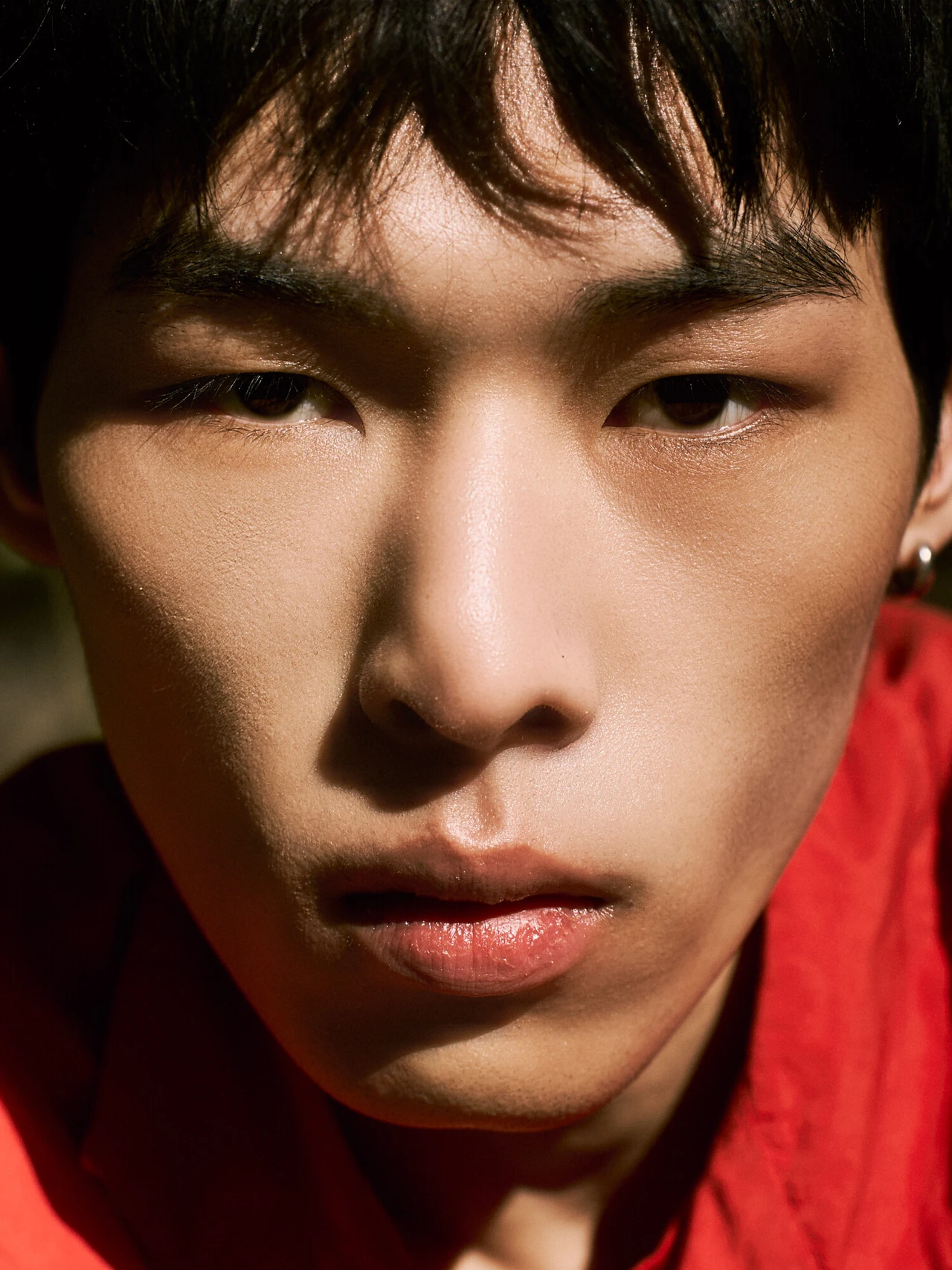
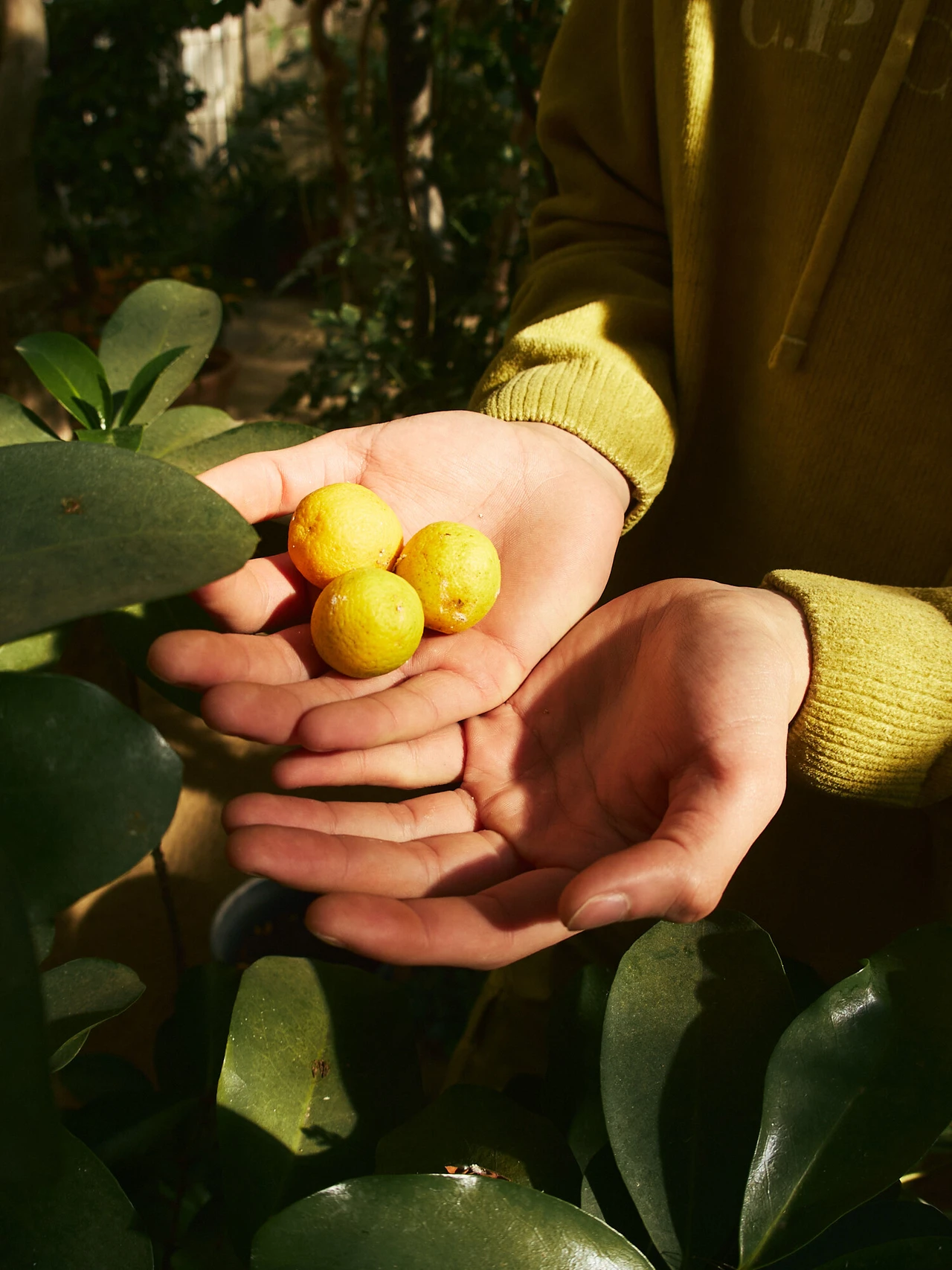
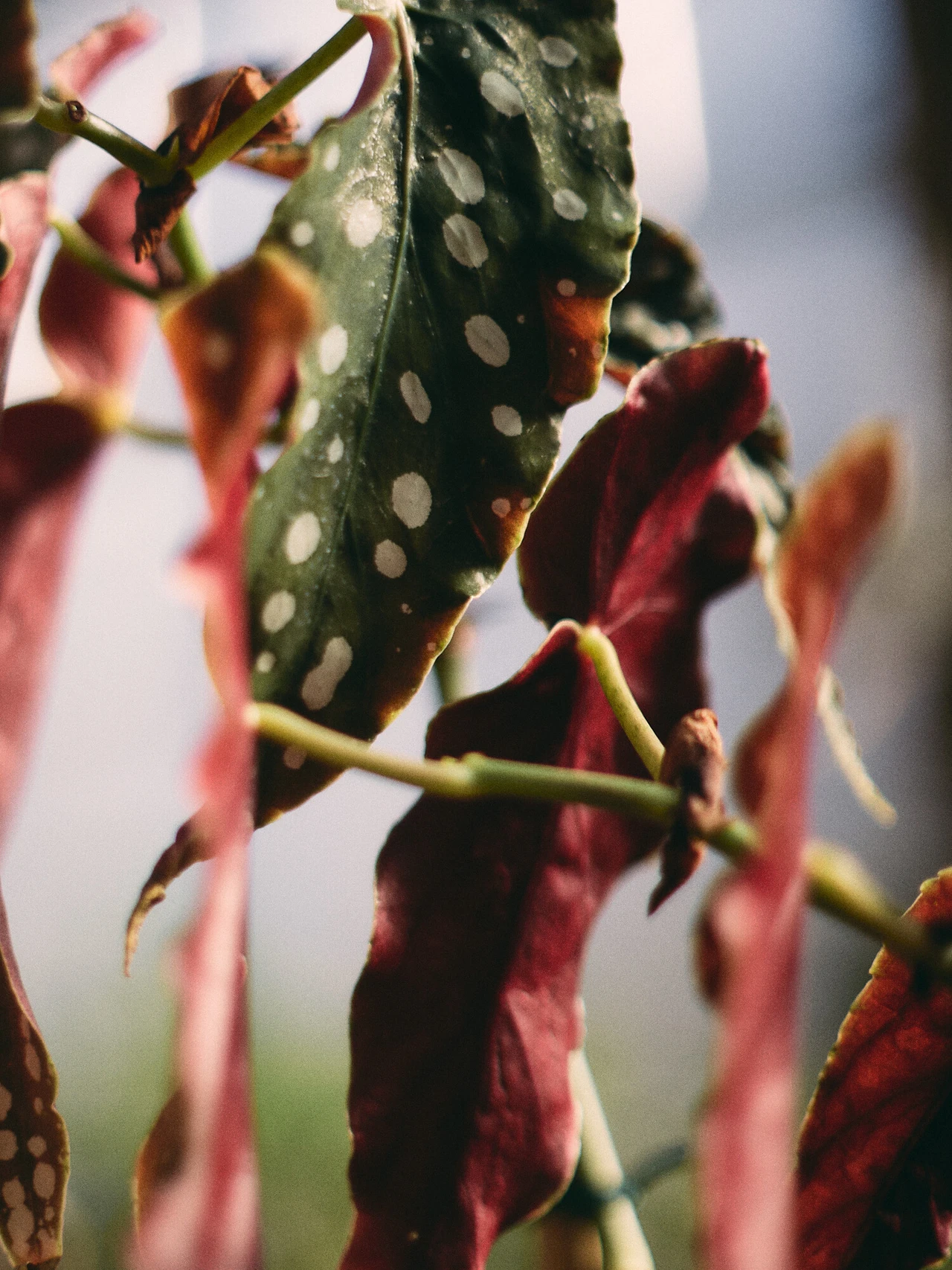
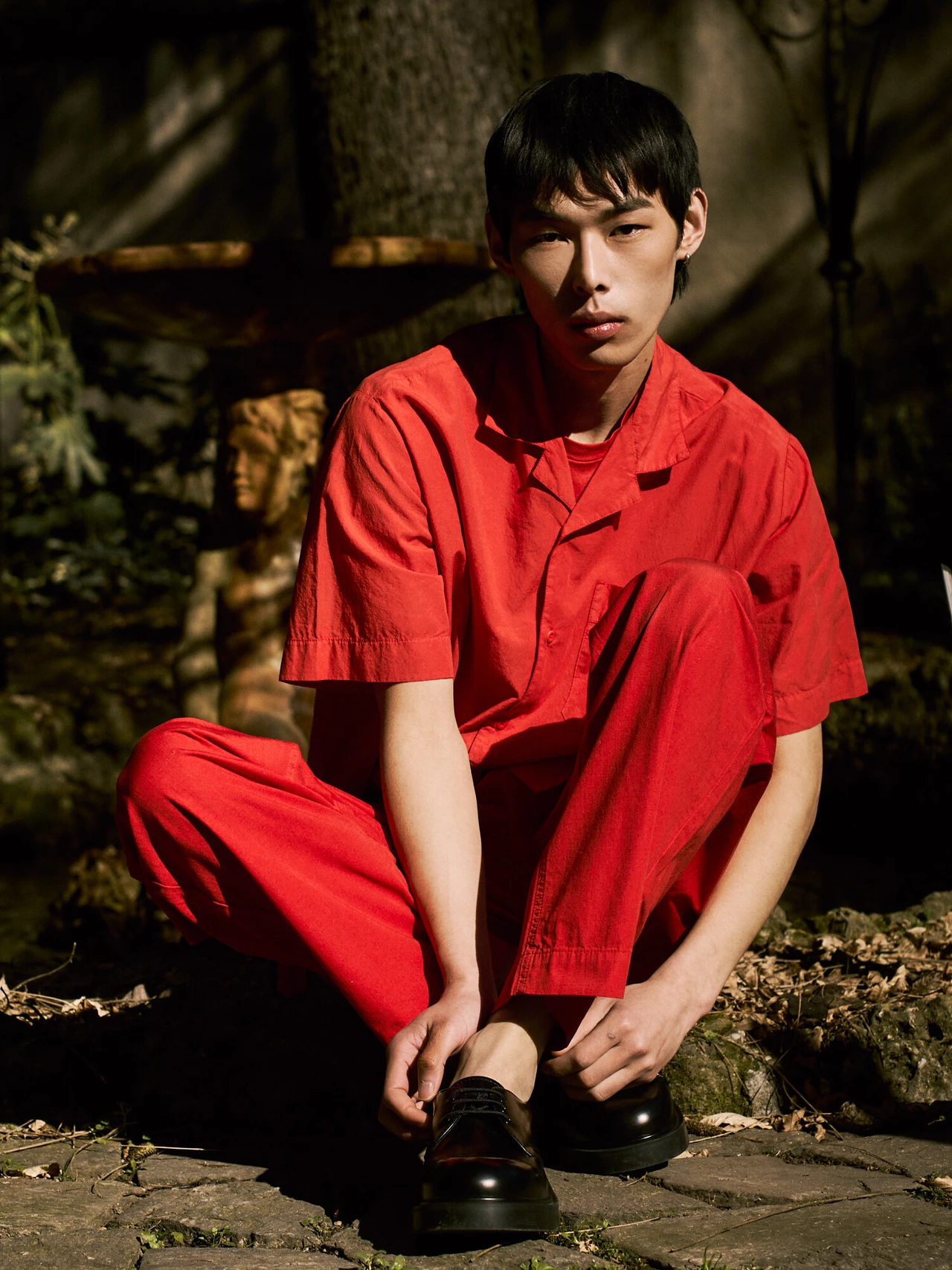
Photo wardrobe:
1st look: Moncler
2nd look: Sandro Paris
3rd look: Labo.Art and Dr. Martens
Film wardrobe:
1st look: Antony Morato
2nd look: Labo.Art
3rd look: CP Company
4th look: Sandro Paris and Labo.Art