LEXI HIDE, STYLING MEMORY IN EVERY FRAME

LEXI HIDE, STYLING MEMORY IN EVERY FRAME

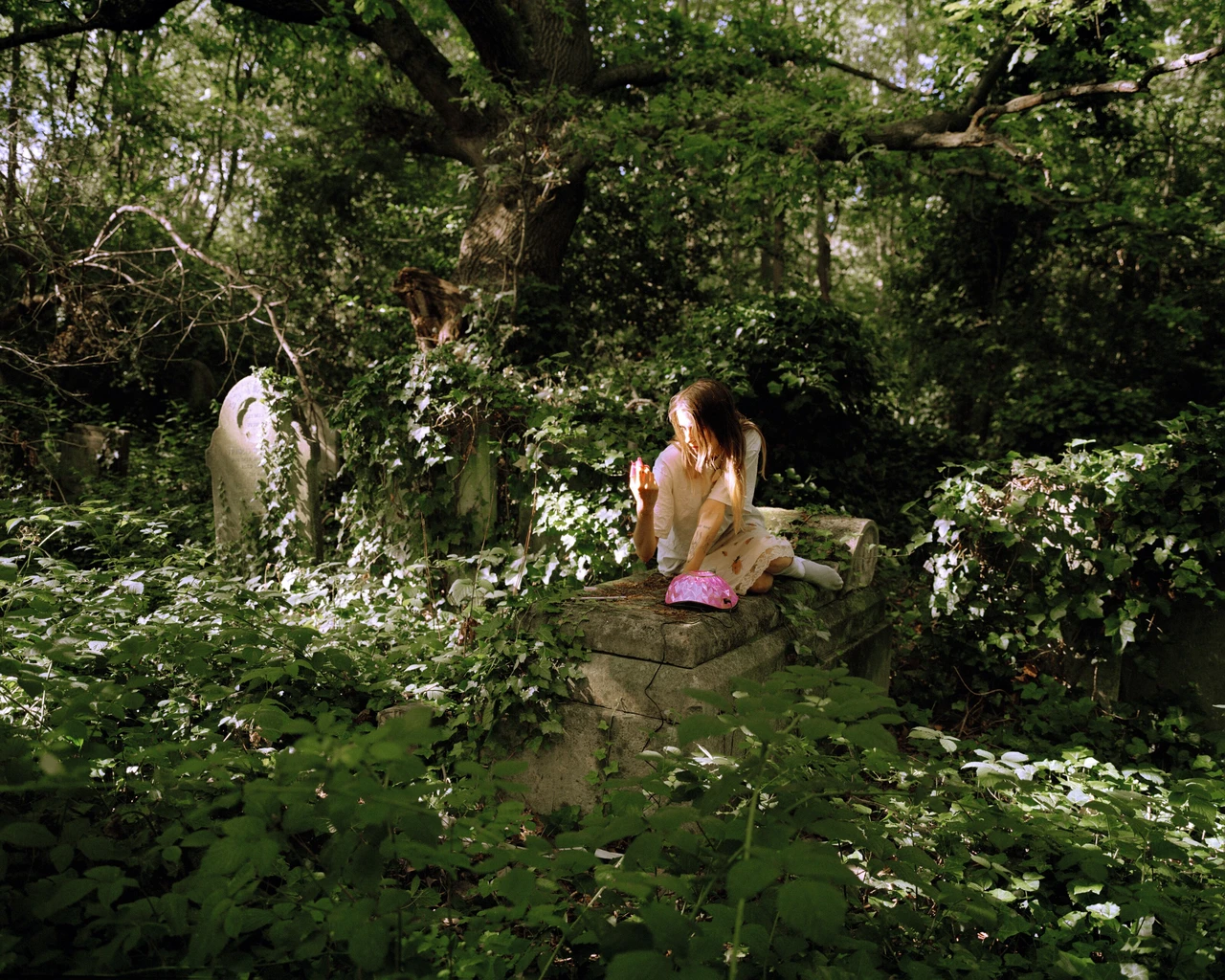
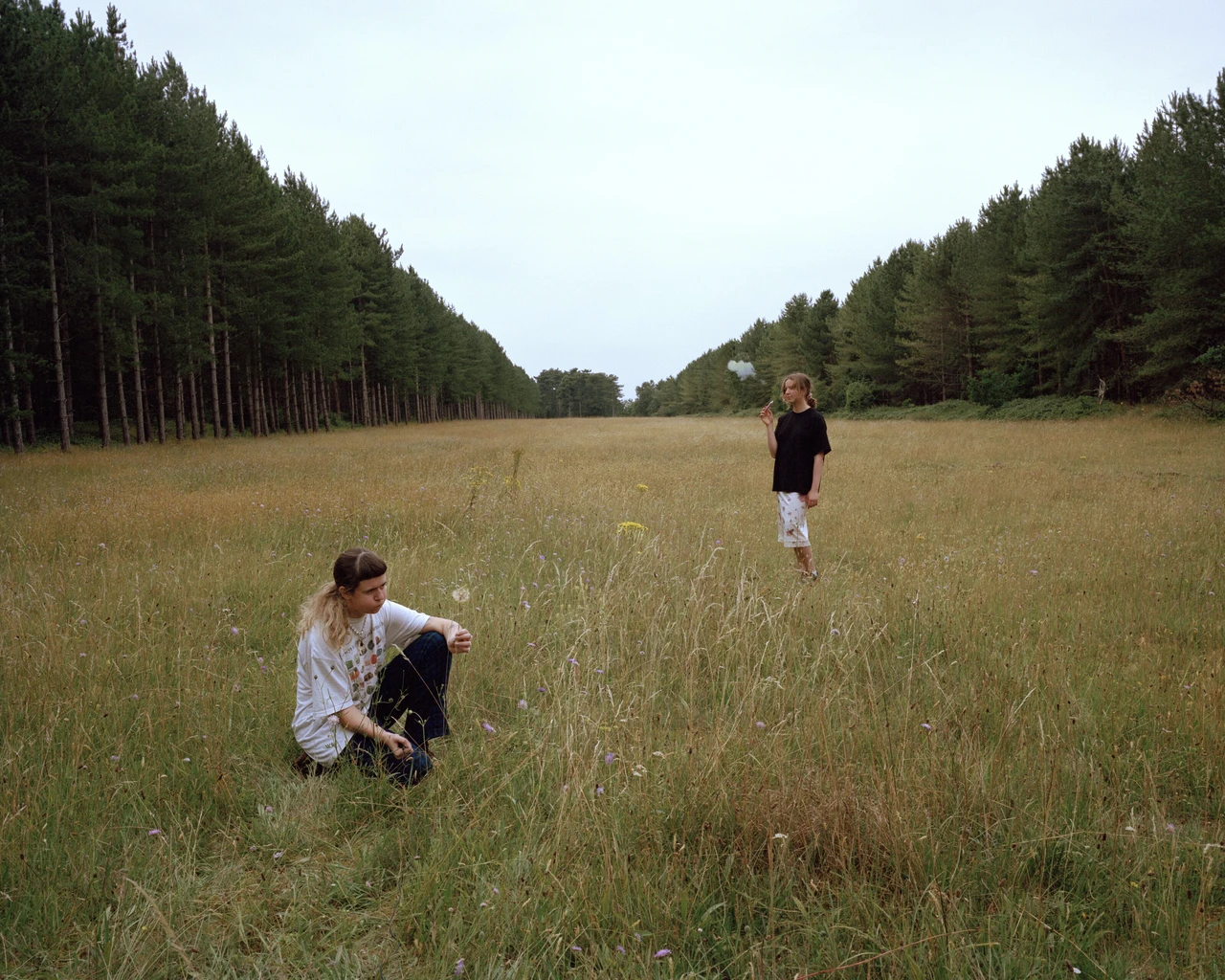
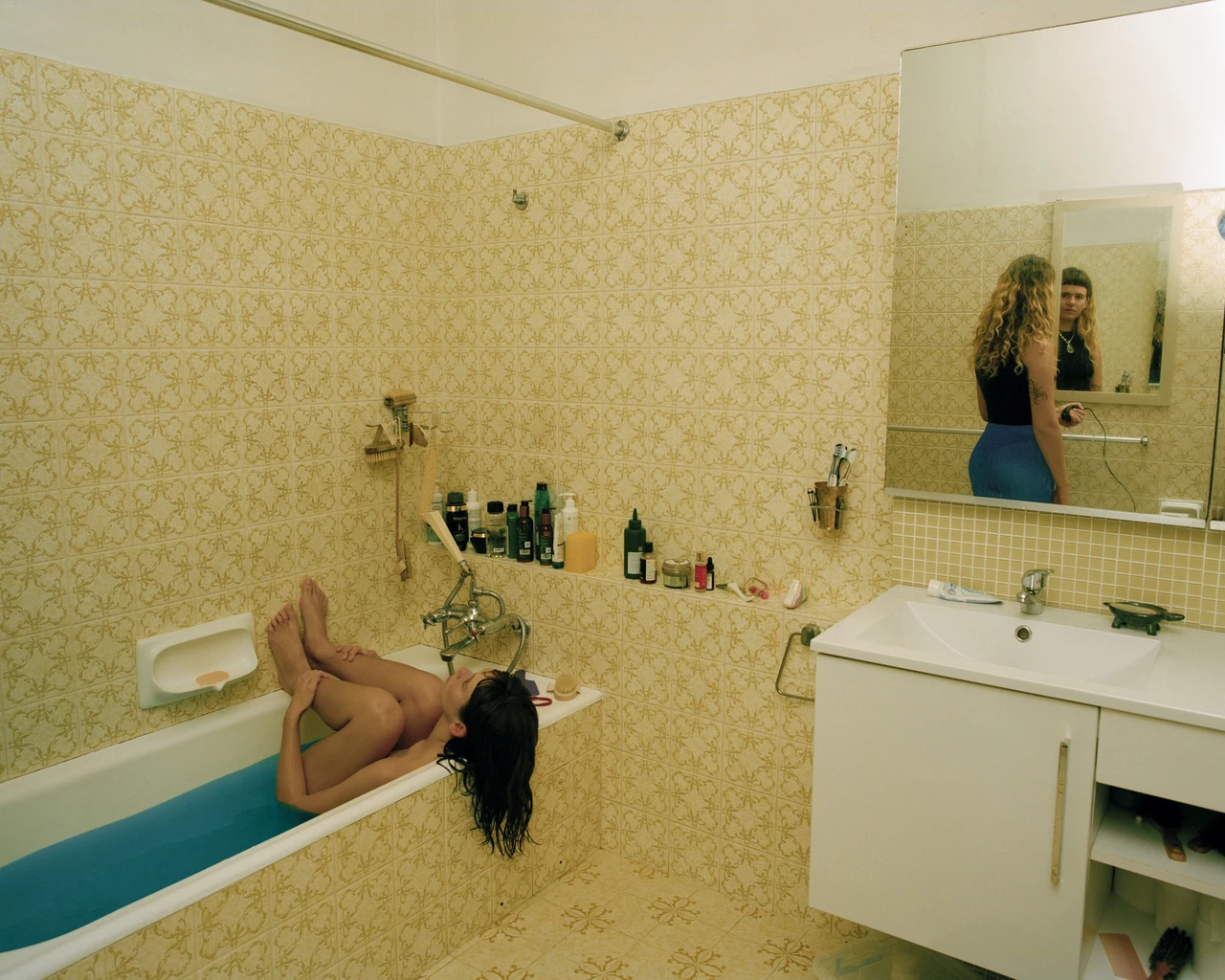
In her staged photographs, Lexi Hide turns teen-night nostalgia into a conscious fashion language, where costume, cinema, and contradiction choreograph desire.

ALESSIA CALIENDO

Some photographs keep receipts. Others rewrite the night. In Lexi Hide’s images, a cigarette becomes stage direction: a cue, a dare, a flicker that makes the whole fiction feel uncomfortably real. Born in Cape Town in 1999, Hide trained first in Motion Design before stepping into contemporary art. She is now New York based while completing her MFA in Photography at Parsons School of Design. Contradiction is her native language: dualisms, self-aware hypocrisy, the refusal to be only one thing.


A FASHION EYE FOR CONTRADICTION


Hide’s staged, narrative photography treats girlhood less as a topic more as a wardrobe, something you slip into, tailor, tear, and re-button. Styling becomes storytelling. A hemline, a slouch, a glassy stare, the way cheap wine performs luxury for exactly five minutes, all of it reads like fashion, but functions like memory.

That’s where the cultural charge lives. Girlhood, in images, is too often flattened into either innocence or spectacle. Hide refuses both. Her scenes flirt with sweetness, then swerve, because adolescence does that. One second you’re laughing on a beach at night; the next, you realize you’ve wandered into danger and called it fun, because you don’t know fear yet.
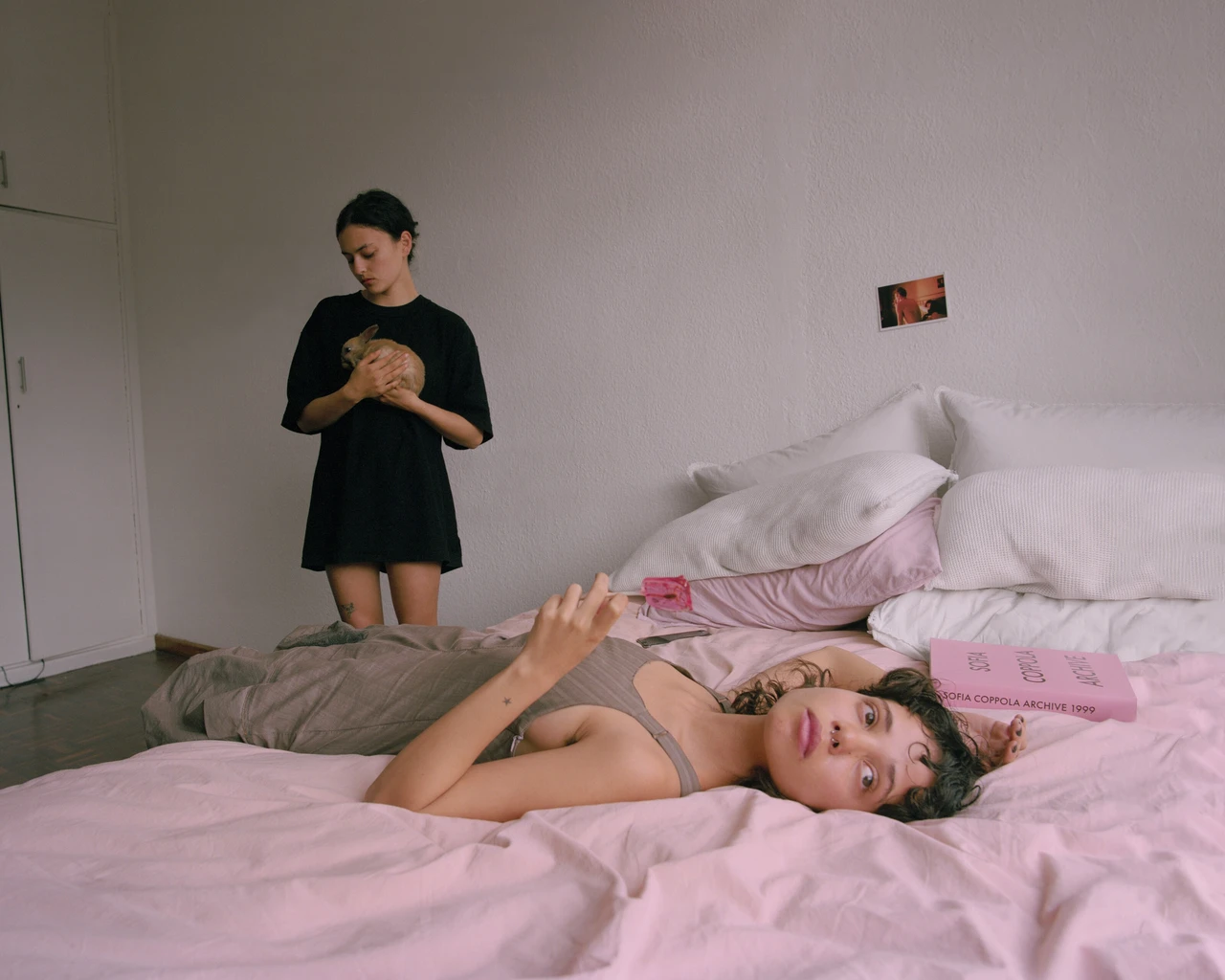
Everybody Wants to Love You.

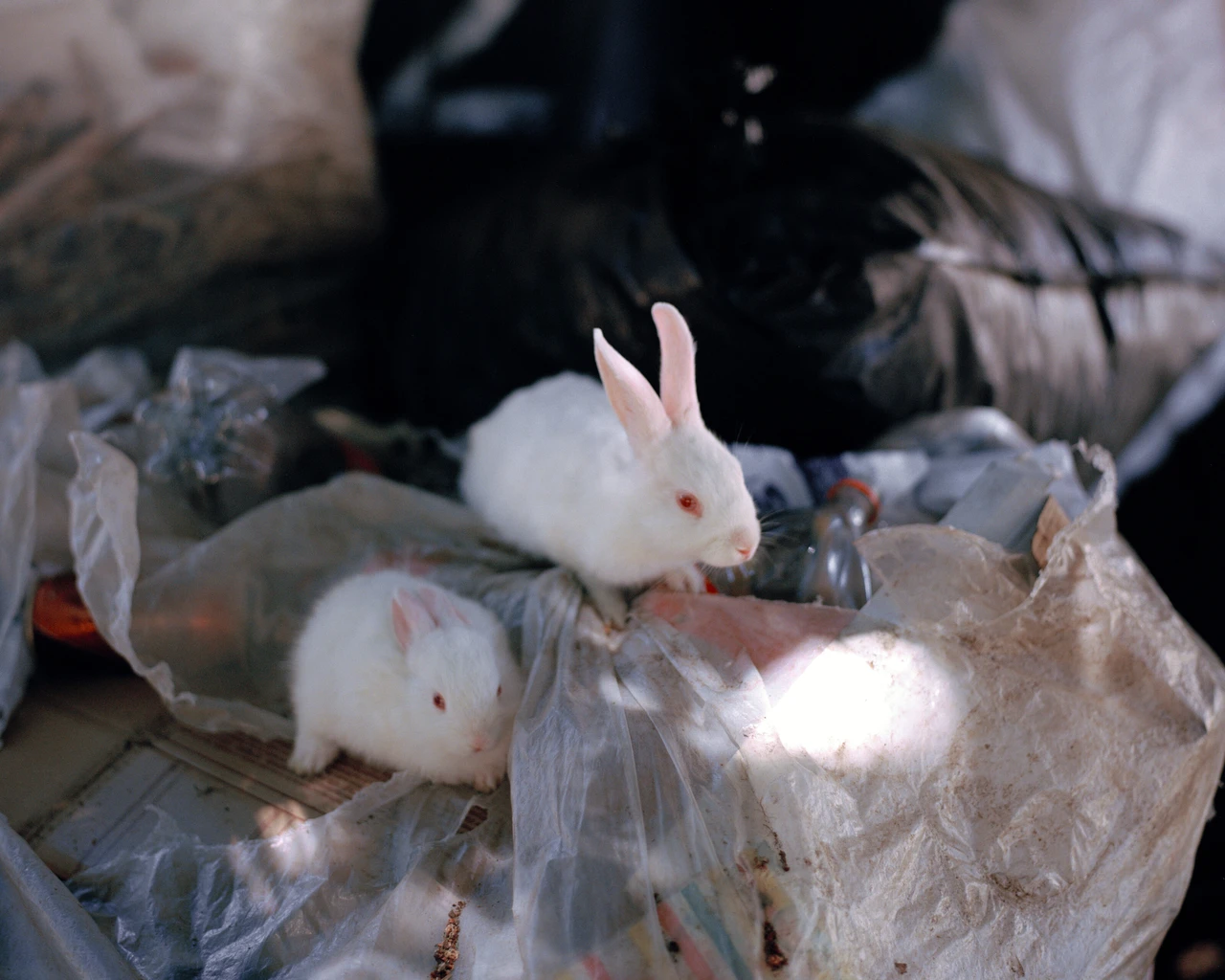
Bunny is a Rider.

SUGAR FOR THE PILL: NOSTALGIA WITH TEETH


Her solo cubicle show Sugar for the Pill premiered at Everard Read Cape Town in August 2024, as part of the gallery’s Cubicle Series. The work is provoked by memory, but it doesn’t worship it; it interrogates it, especially the way nostalgia can repaint harm in flattering tones. Even the title hums with soundtrack logic: a small admission that music can make a life feel filmic, and then make the film feel like truth.

Hide’s answer to that pressure is disarmingly direct. The nonnegotiable boundary is comfort and consent, the subject’s lived ease with the way their body is being used to build a fiction.


The Interview 


A PATH FROM MOTION DESIGN TO CONTEMPORARY ART, THEN AN MFA IN PHOTOGRAPHY, SUGGESTS A MIND TRAINED IN TIME, CUTS, AND CONSTRUCTED WORLDS: WHAT DID MOTION DESIGN TEACH YOU ABOUT NARRATIVE COMPRESSION INSIDE A SINGLE FRAME, AND WHAT DID CONTEMPORARY ART DEMAND THAT DESIGN NEVER ASKED OF YOU?


Ultimately, I’m jealous of filmmakers. I would like to make films, but I like to work alone, and you can’t really make movies alone. My background in animated film was ultimately not my interest, but it gave me strong skills in narrative development and time-based thinking. Now I try to compress time-based narratives into a single image, because photography doesn’t typically allow for that. But by relating different images to one another, you can create something close with still imagery.

Say Yes to Heaven.

GIRLHOOD APPEARS PLAYFUL AND TRAGIC AT ONCE, A REGISTER THAT CAN EASILY SLIP INTO CLICHÉ OR VOYEURISM: WHICH ETHICAL BOUNDARY FEELS NONNEGOTIABLE WHEN DIRECTING THESE SCENES, AND WHO IS IT REALLY FOR?


I think the only thing I consider in terms of ethical boundaries is whether the person I am photographing feels comfortable with the way I am using them in an image, because I am essentially objectifying them, or using them as a prop, for lack of a better word, in order to depict a narrative. The photos are not representations of the people within them, but rather self-contained fictional narratives referencing my personal experience or a certain tone.


ADOLESCENCE IS DESCRIBED AS RECKLESS, UNEMBARRASSED, CHEMICALLY INTENSE: DOES IT FUNCTION AS A MYTH TO BE DISMANTLED, A LOST FREEDOM TO BE MOURNED, OR BOTH?


There is a phenomenon called the reminiscence bump, in which people have a disproportionate amount of memories from their teen years compared to the rest of their lives. This is because those formative memories and experiences feel much more intense, fueled by firsts and excitement. I think these intense experiences, and therefore memories, often don’t represent the gray zone of feelings. Nostalgia tricks us into thinking things were incredibly good, even if they were bad; and intensely bad memories can be amplified.

It Hurts Until it Doesn't.

CINEMA AND MUSIC ARE NAMED AS GUIDING INFLUENCES, “THREADS” THAT LOOP BACK INTO ONE ANOTHER: WHAT IS THE SONIC LOGIC OF SUGAR FOR THE PILL (TEMPO, SILENCE, REPETITION, CRESCENDO), AND HOW DOES IT TRANSLATE INTO EDITING, SEQUENCING, AND THE EMOTIONAL ARC OF A SERIES?


The guiding influence is more in the tone or feeling of the specific music I was listening to at the time, and still listen to. Many of the images are titled after songs. Film has an advantage as a time-based medium: it can insert music for tonal or emotional value onto a narrative, and I’m grasping at that tool. I think movies like those really influenced my high school experience, trying to make a life that felt like I was in them, and therefore also became reflections of what my experience was like.


SUGAR FOR THE PILL CARRIES A VERY SPECIFIC ADOLESCENT GEOGRAPHY, BEACH NIGHTS, CHEAP WINE, INDIE MUSIC, THE TURNING POINT BETWEEN FUN AND DANGER: AS THE WORK ARRIVES IN MILAN FOR THE PHOTOVOGUE INTERNATIONAL FESTIVAL IN MARCH 2026, HOW SHOULD AN INTERNATIONAL AUDIENCE READ THAT SPECIFICITY?


I think there is no such thing as a universal script, and certainly my fictional photographs are not a cultural document of my geographic specificity. But I do hope that somewhere in there, there is a feeling of relatability, for some girls and boys, of what it means to have been reckless, brave, and stupid, and to have had a lot of fun doing it, at times.

Let All the Poisons in the Mud Seep Out.

Subscribe to our free newsletter!