POST-SOVIET BRUTALISM IS STILL A FEED FETISH

POST-SOVIET BRUTALISM IS STILL A FEED FETISH

From Kyiv to Tashkent, Soviet modernism is going viral. What looks like edgy concrete content is also memory, ethics, and loss.

INDEPENDENT MAGAZINE
Someone lifts a phone. A cracked concrete monolith enters the frame. Auto-exposure blows out the sky and crushes the grays. A slowed, ominous track arrives on cue. Cut. Done This isn’t architectural photography anymore. It’s big-game hunting, in vertical format.
Post-Soviet Brutalism or, more precisely, the socialist modernism built from the 1950s through the 1980s that we keep calling “Brutalism,” as if it were one magic word—has become a mythological animal to track, capture, and collect online. Here is the uncomfortable part. We aren’t documenting it despite the fact that it is rough, repellent, ideological. We are documenting it because it is. Concrete gives us a perfect alibi, a way to take an emotional vacation in the 20th century without paying the historical bill. And when we do it “in a rudimentary way”— shaky video, grain, pixels, compression— that is not a limitation. It is the correct aesthetic. This architecture tolerates imperfection beautifully. More than that, it seems to demand it.
WHY WE CRAVE WHAT WE CLAIM TO HATE A recent analysis nailed the mechanism: Soviet modernism has been “trendified” and packaged as a new reference aesthetic. On Instagram, images tagged with the usual labels circulate in desaturated palettes and post-apocalyptic atmospheres, often paired with anxious soundtracks. The real keyword, if we are honest, is not “architecture.” It is anemoia: nostalgia for a time you never lived. The concept, borrowed from John Koenig, fits this imagery with cruel precision. We love a past that did not hurt us directly, which means we can afford to call it “fascinating.” Then there is another truth, equally unsentimental. Brutalism is perfect algorithm bait. It reads in half a second: hard silhouettes, recognizable masses, aggressive contrast. You do not need to know what it is, who designed it, what it was for. The building performs even when you understand nothing. This is the revenge of aesthetics over ethics. And it is not limited to buildings. “Brutalist” has become a fashionable adjective applied to almost anything, interiors, product design, even makeup, as if the moral weight of that concrete could be reduced to a texture.
THE DARK SIDE: RUIN FETISH, POSTCARDS OF SOMEONE ELSE’S FATIGUE Here is the provocation we keep avoiding: Are we saving memory, or are we consuming ruins? Many of these structures are not “sculptures.” They are schools, public housing, infrastructure, workplaces. Their decayis not a poetic filter. It is often abandonment, poverty, disinvestment. There is a risk that certain accounts reels shot in degraded environments—slide into a familiar, ugly thrill: look how they live. It is not documentation anymore. It is a stereotype, ready-made, with a soundtrack. And when history bites back, the aesthetic stops being innocent. In Ukraine, for example, the debate over preserving Soviet-era modernist heritage runs straight through war, identity, and decommunization. The architecture expert and photographer Dmytro Soloviov has described a phenomenon he calls “casual decommunization", a careless destruction or alteration. It happens through insulation retrofits that cover mosaics, improper restorations, and interventions made without a legal or cultural framework. In 2025, that urgency reached publishing, too. The book Ukrainian Modernism (FUEL) was conceived explicitly as a mission to document what remains, in the face of war.
NOT JUST NOSTALGIA: CONCRETE CAN ACTUALLY DISAPPEAR While we scroll, outside the screen these buildings keep fighting their daily war: demolition, abandonment, reuse. In the U.K., protests erupted over the planned demolition of the George Wallis Building (School of Art) in Wolverhampton. Preservation groups pushed for official protection, and one crucial point emerged: demolishing a building in good condition is also waste. A positive answer exists, and in 2025 it produced one of the strongest examples in Eastern Europe and the post-Soviet sphere: in Kyiv, Pavilion 13, a 1967 Brutalist structure, reopened as a contemporary art center. Its underground level now functions as an air-raid shelter. That single fact should make us hesitate before using “dystopian” as a cute hashtag. In Central Asia, the battle is wide open. In Tashkent, preservation efforts have accelerated, including work aimed at international recognition and a footprint connected to the 2025 Venice Architecture Biennale, after traumatic demolitions such as the House of Cinema (1982). Add the Western cultural industry, and the picture is complete. Exhibitions like Capital Brutalism in Washington were extended through June 30, 2025, a clear sign that reappraisal has gone mainstream. And in London, a new project has been announced: the MoBA, Museum of Brutalist Architecture, set to find a home inside a Brutalist building, Acland Burghley School (1968).
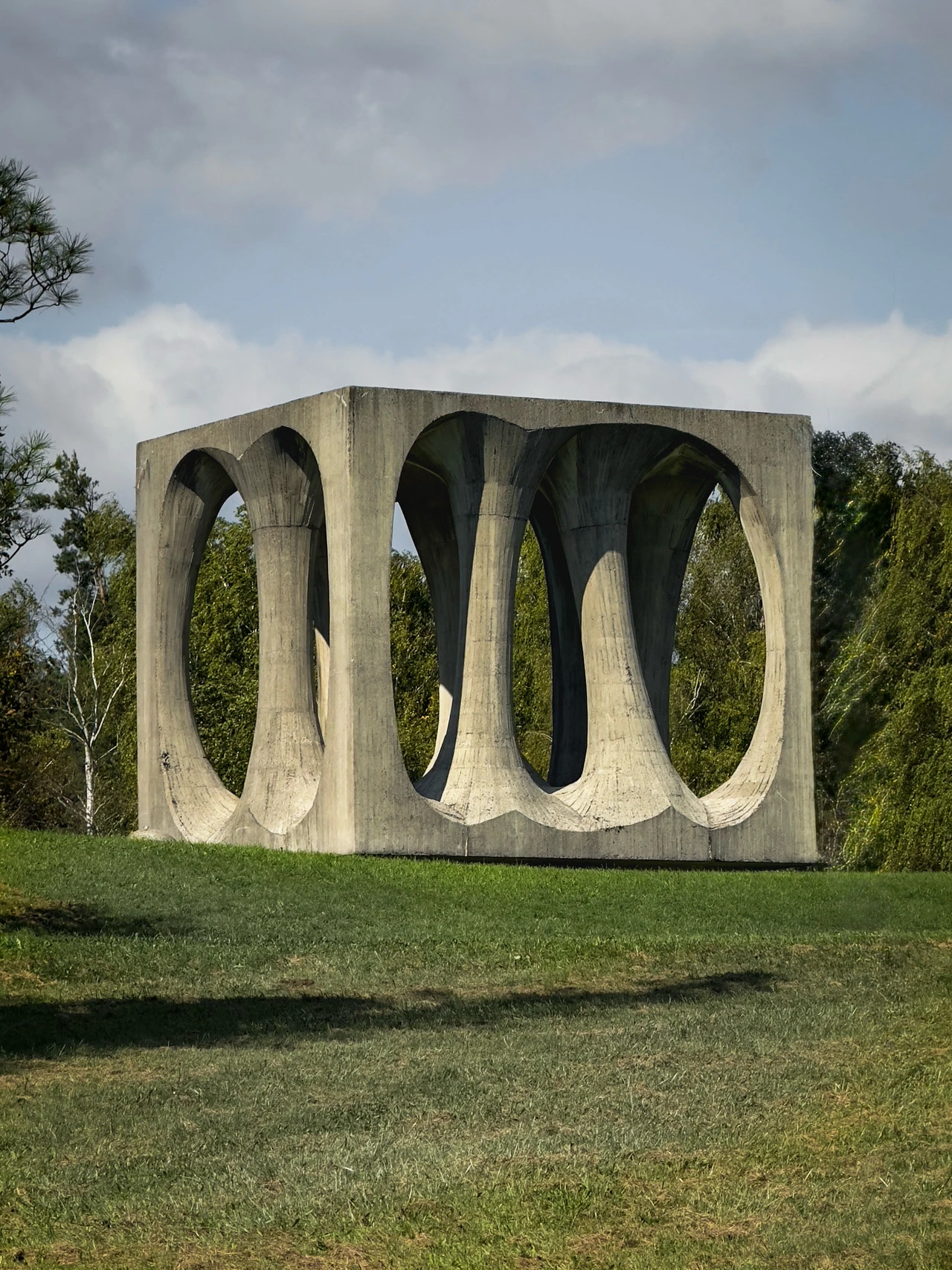
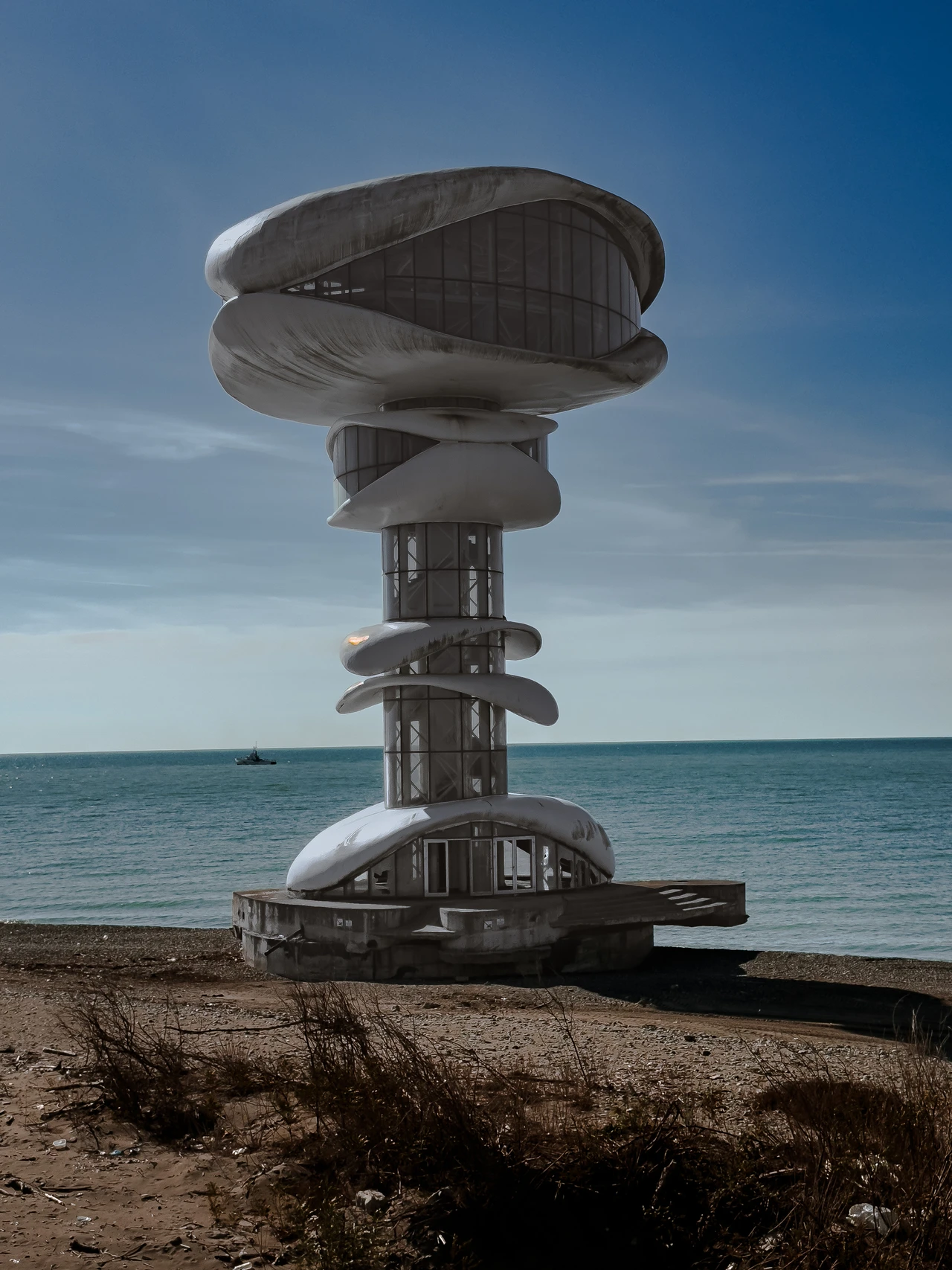
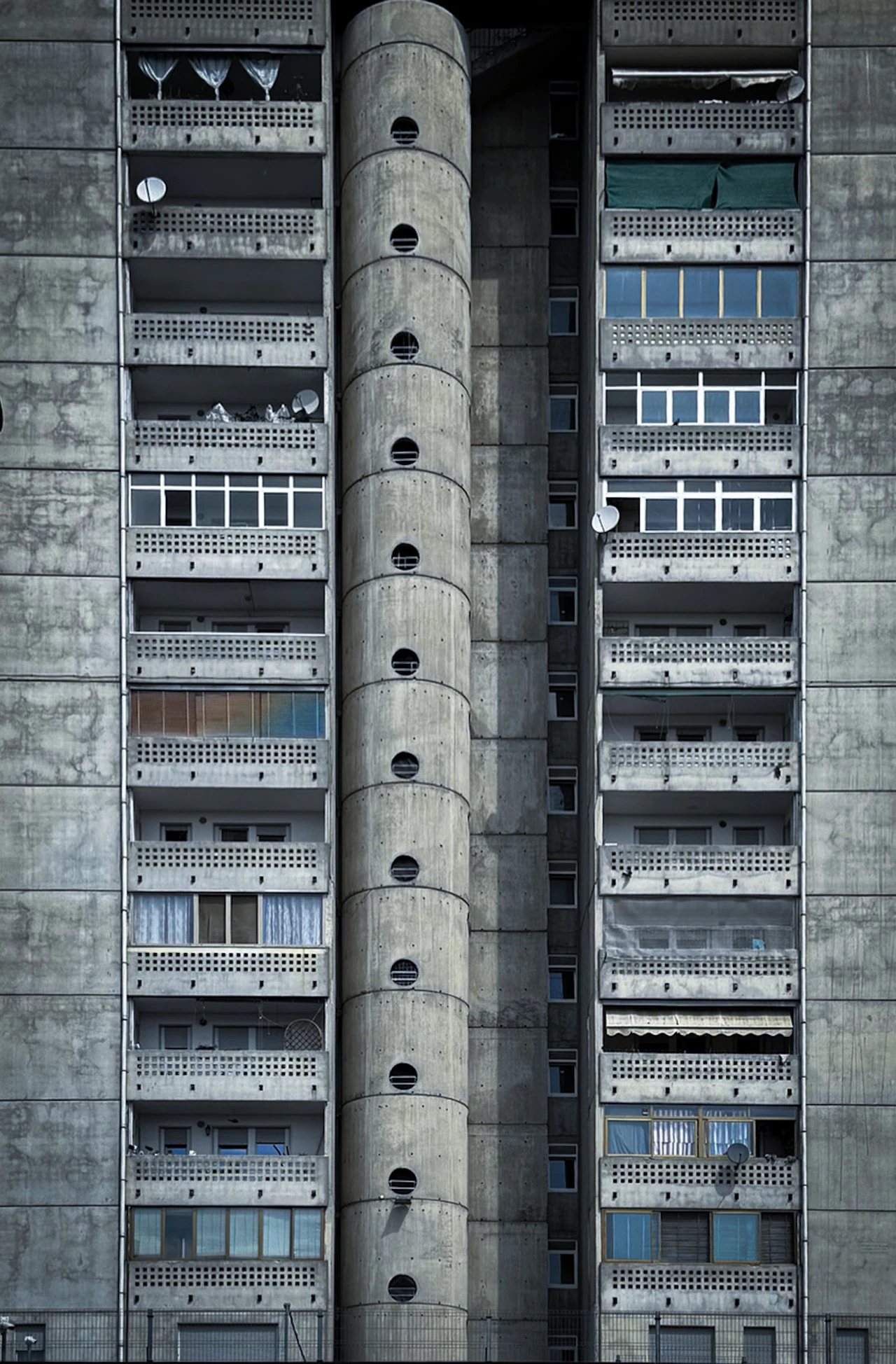
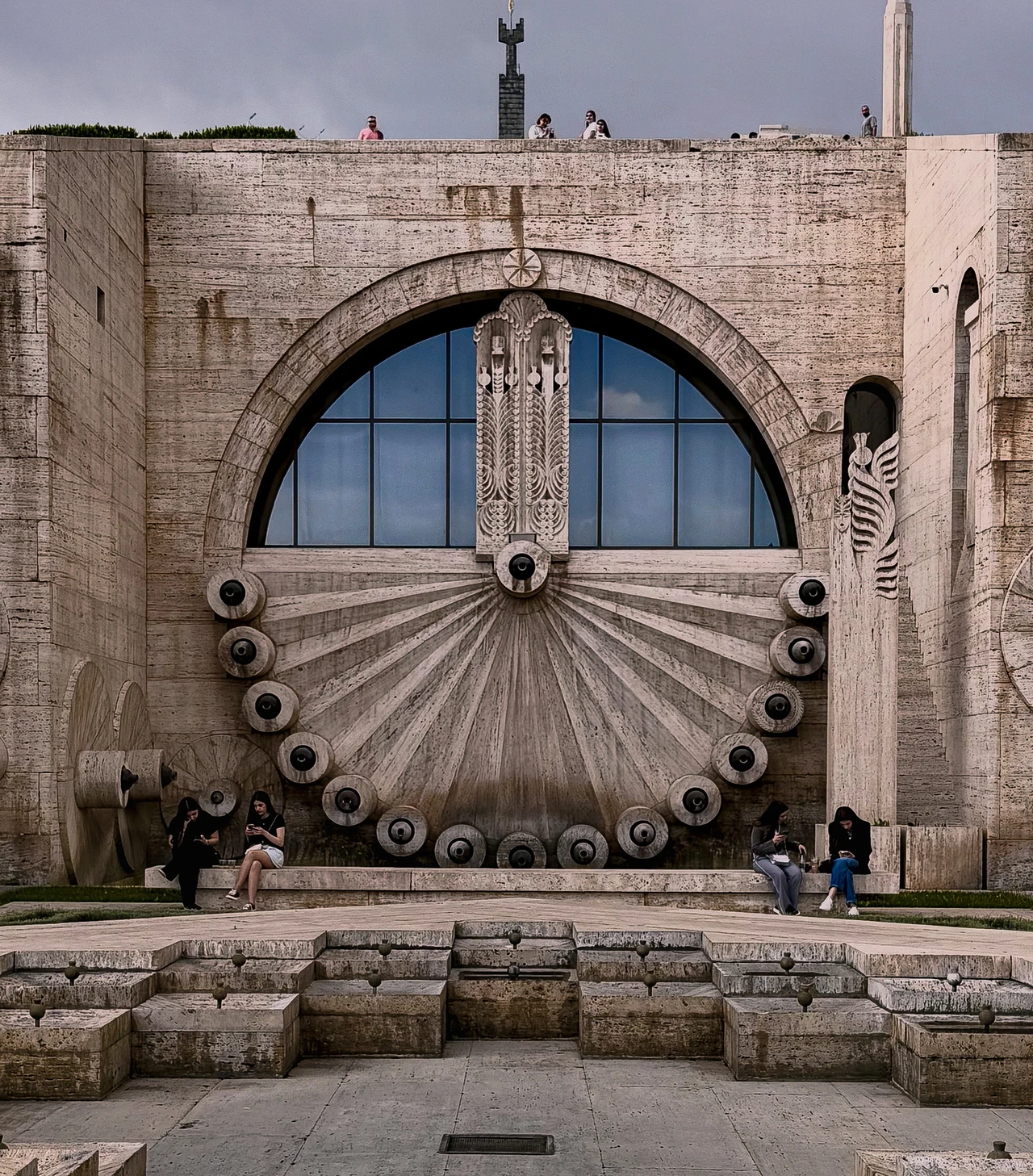
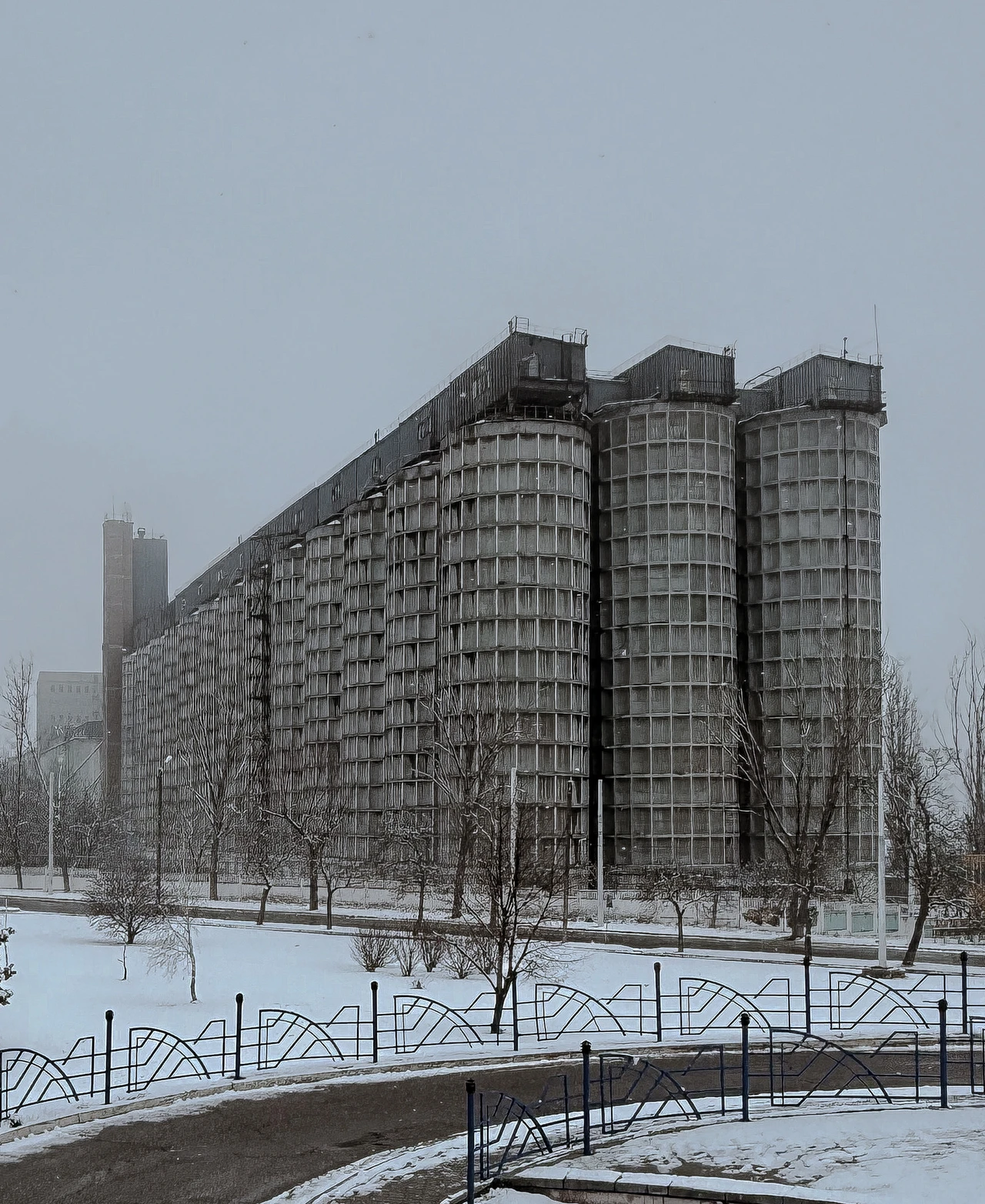
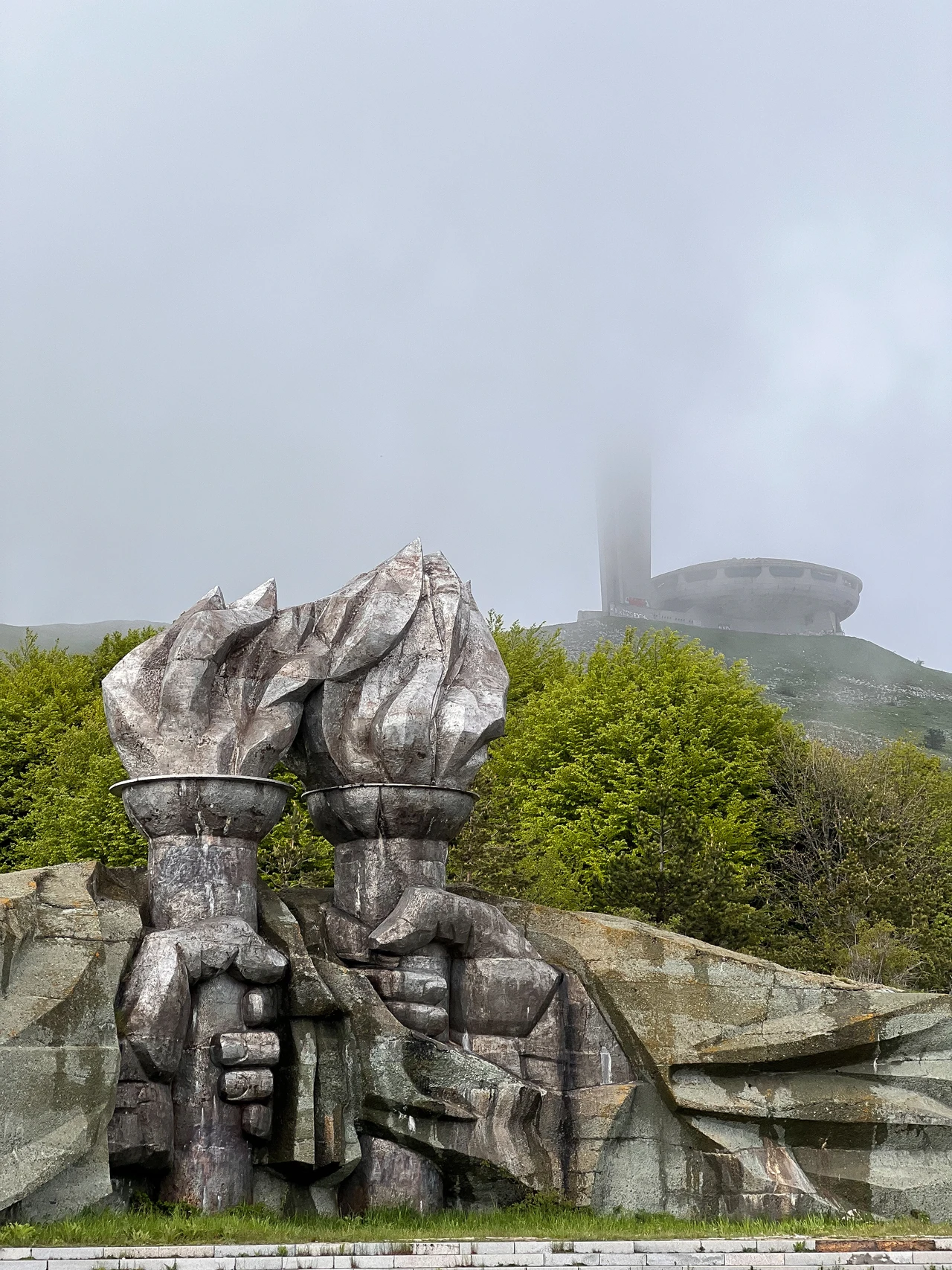
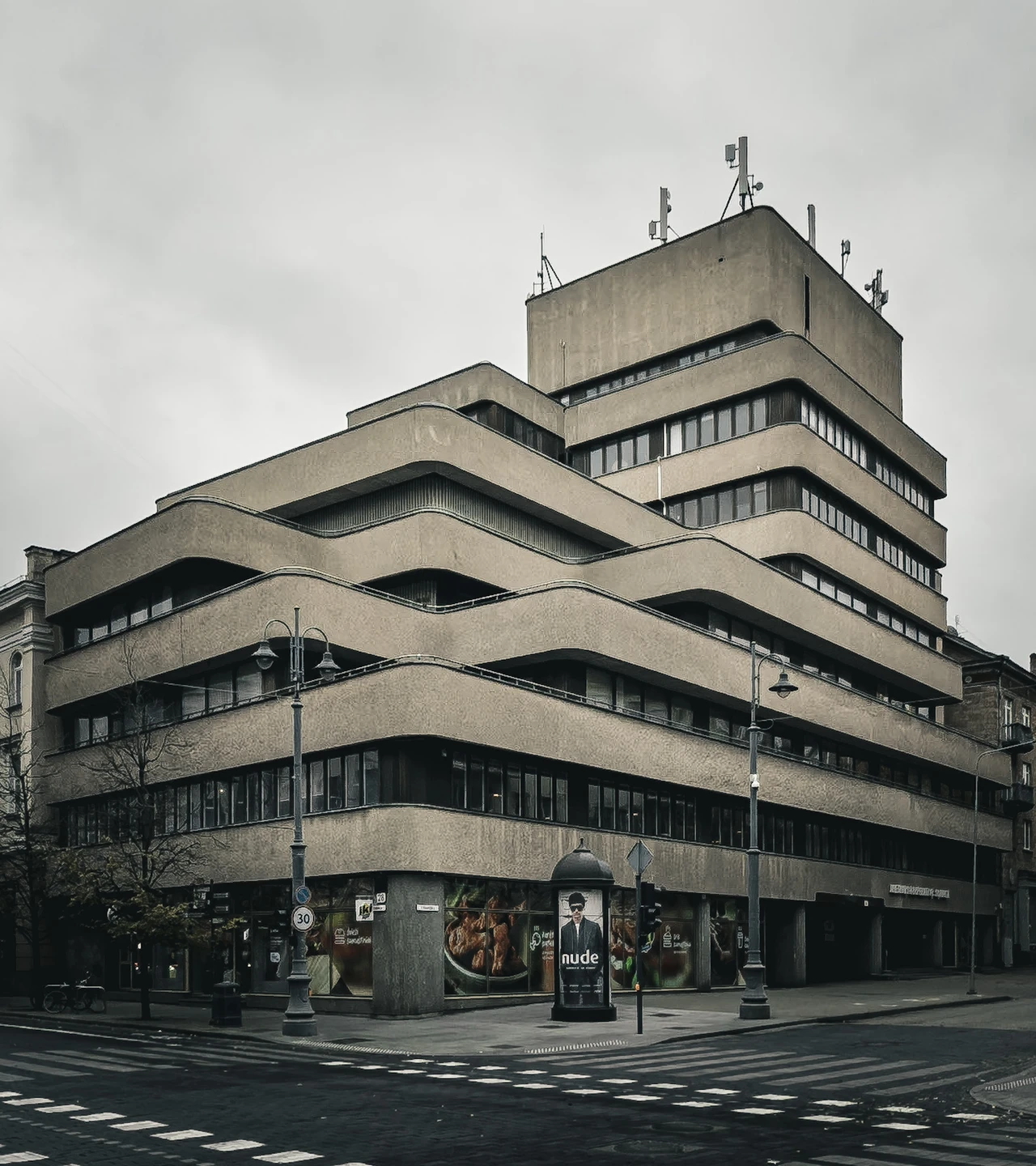
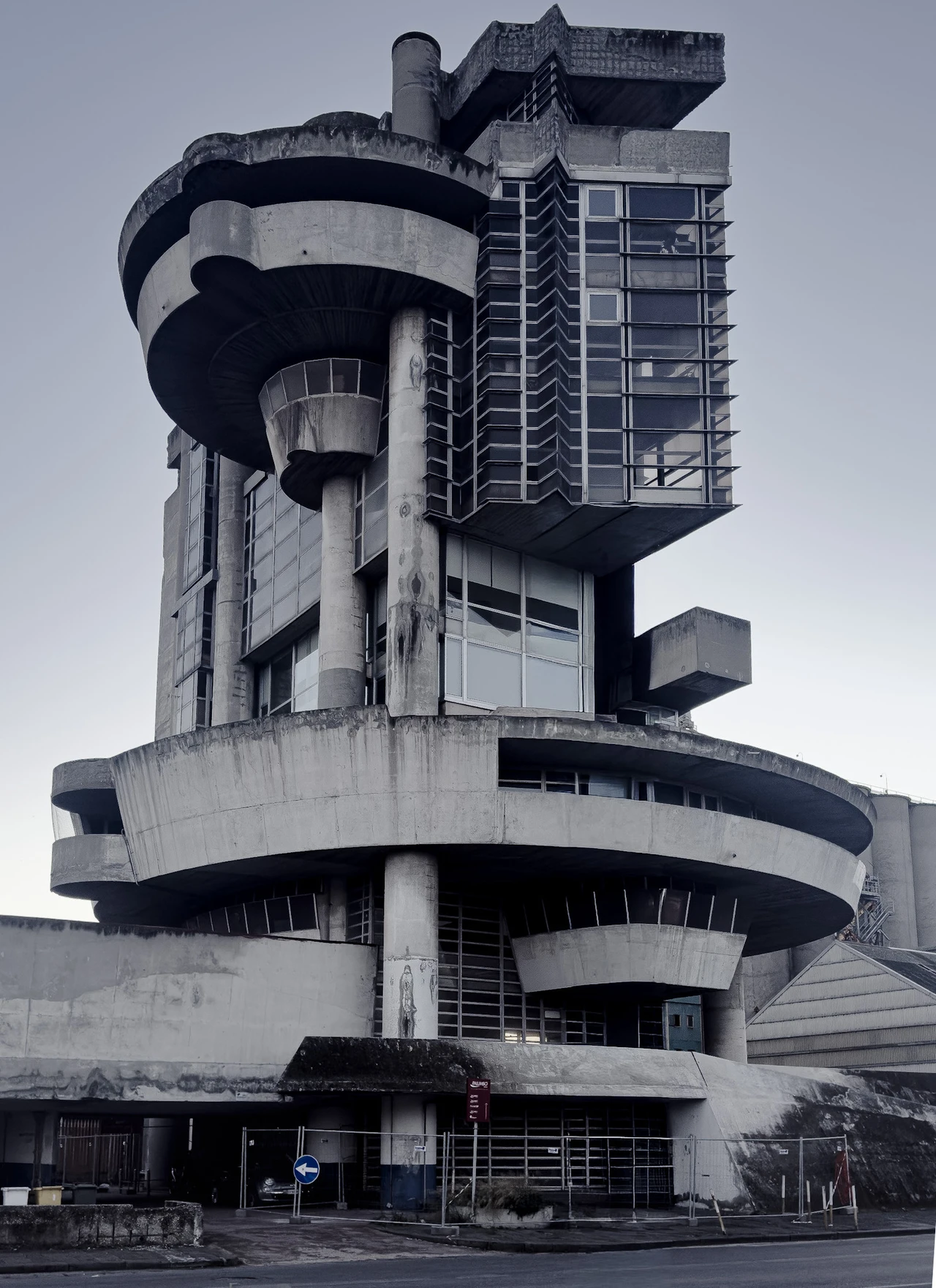
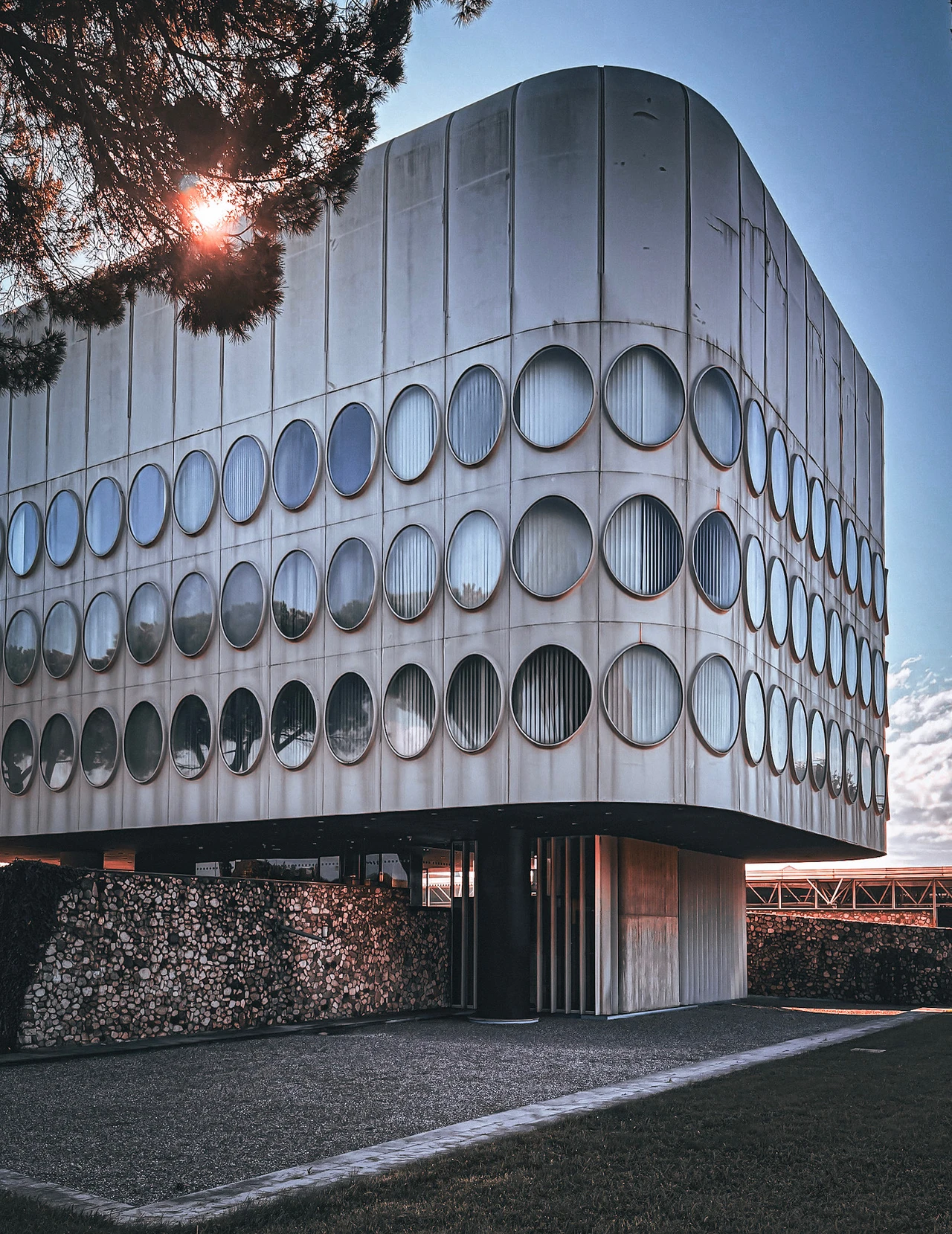
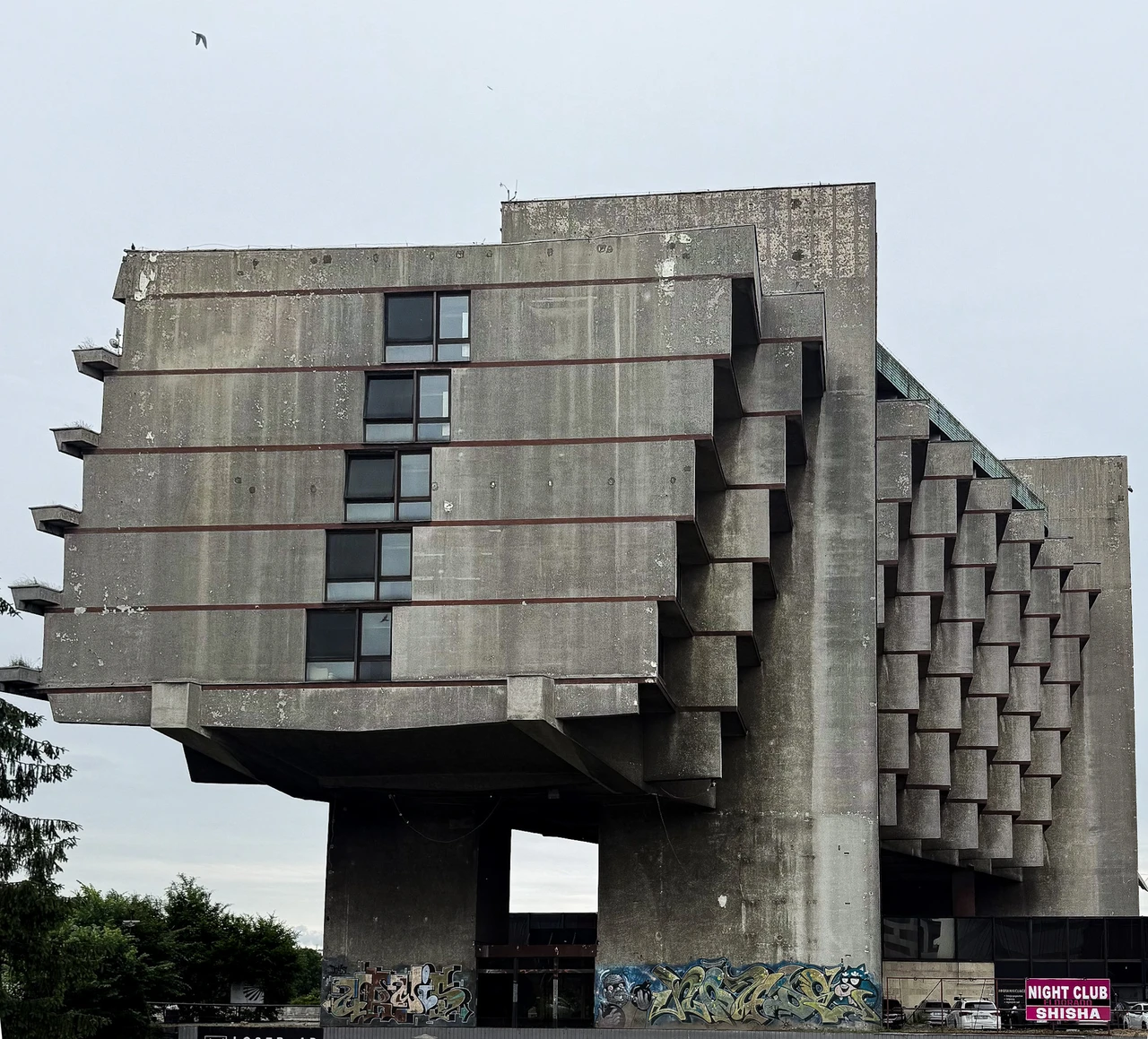
SOCIAL PROFILES: WHERE OUTREACH ENDS, WHERE DEPENDENCY BEGINS If you want to understand how systemic this obsession is, look at the ecosystem of accounts that do not merely “curate” in the abstract. They produce images. Photographers and architecture hunters turn documentation into a repeated gesture almost compulsive. One of the most visible nodes in that ecosystem is the global feed-and-database complex around @brutbuilds and @sosbrutalism. This is Brutalism as a worldwide beat: a steady stream of buildings, locations, dates, tags plus a clear, activist posture. SOSBrutalism, in particular, is tied to a database of more than 2,000 buildings and an explicit advocacy mission, summed up in a slogan that says the quiet part out loud: “Save the concrete monsters!” In other words, it’s not just aesthetic distribution. It’s infrastructure, an archive designed to mobilize attention before demolition does its work. This is where Icone nel Cemento enters the frame. On Instagram, it is @icone_nel_cemento, run by Matteo Roncadori, with a bio that reads like a manifesto: “Hunting for architecture.” He is, by trade, a flower designer and garden engineer. The point is not only what he photographs, but how he builds narrative. Brutalist and modernist buildings become prey: located, reached, isolated, cleaned of urban noise. Architecture becomes almost zoological frontal, centered, instantly recognizable. Even when the subject is not strictly post-Soviet, from a North American city hall to monuments and modernist complexes across Europe, the visual grammar stays consistent: concrete as icon, not as matter. And the images circulate. They get reposted and credited by pages devoted to the memorial architecture of the former Yugoslavia. A sign that we are looking at a recognizable node in a larger network of aesthetic documentation of monumental concrete. For this piece, the images provided by Roncadori are not decoration. They are part of the thesis, because they show exactly what is happening to us: we no longer look at Brutalism to understand it; we look at it to feel a certain way.
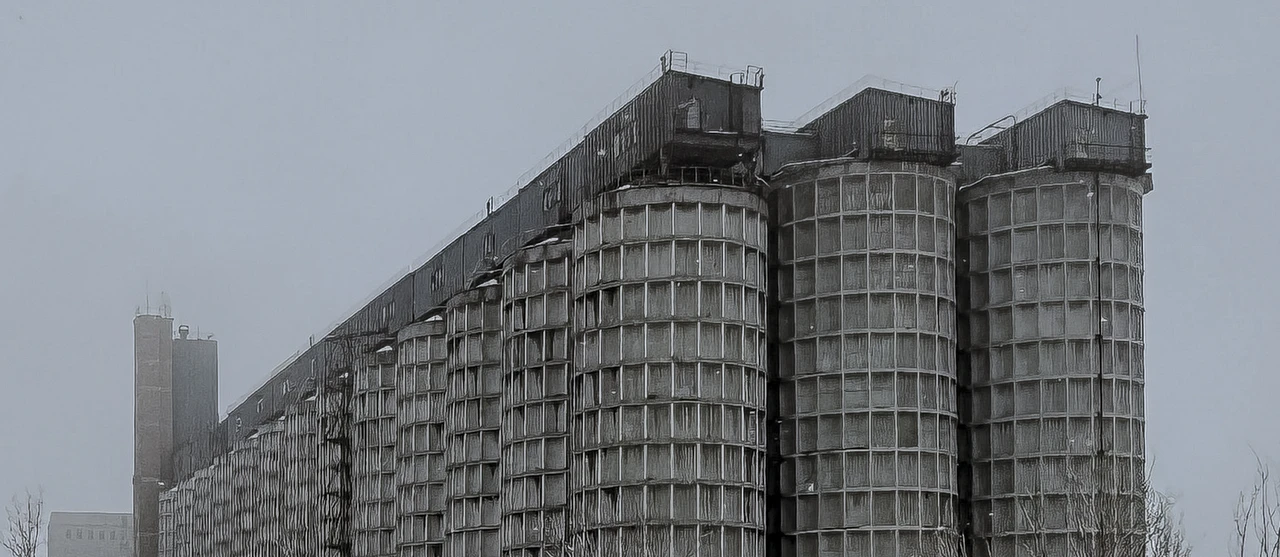
THE TRUTH WE DO NOT WANT TO ADMIT Brutalism fascinates us because it does not ask to be loved. It asks to be watched. And in an era that consumes everything in fragments, we often prefer what is difficult and severe because it makes us feel profound without forcing us to be competent. Stefano Perego, writer and photographer, puts it with almost no mercy: “These buildings didn’t ask to be admired; they demanded attention.” It sounds like it was written for social media. It was not. It is simply accurate. Here is the final paradox, provocative enough to be useful: our obsession with documenting Brutalism is also a contemporary way of neutralizing it. We turn it into aesthetic, then we render it harmless. But concrete is not harmless.
It is politics, memory, conflict, welfare, control, collective promise, collective failure. If we reduce it to wallpaper, we are not saving it. We are taming it.
Subscribe to our free newsletter!